
The World Must Stop Ignoring What Iranians Already Know: The Regime Is on the Brink
Theocratic misrule in Iran has produced predictable collapse: chronic resource theft, failing services, and an angry population pushing toward a democratic future; this piece traces how water shortages, economic breakdown, and organized resistance have eroded the regime’s legitimacy and accelerated its decline, while noting the role of diaspora organizing and internal Resistance Units in driving change.
Ernest Hemingway famously wrote when describing bankruptcy: It happens “gradually, then suddenly.” That line fits the arc of dictatorships — they look immovable until they suddenly fall apart. Iran’s theocracy, now 46 years old, has compounded mismanagement, repression, and corruption into a toxic mix that is unraveling the state from within.
Recently Iran’s water crisis vaulted into international attention, with officials warning of rationing in major cities. Reservoirs that sustain Tehran sit at dangerously low levels, and the prospect of mass shortages is real and immediate. Officials blame nature, but the failures are overwhelmingly man-made — policy choices, diversion projects, and elite capture of resources have worsened the disaster.
Beyond water, fuel and electricity shortages drive public anger and protest. The economy is in freefall, unemployment is rampant, and essential services are collapsing across the country. Natural and human-caused environmental damage, like the fires in the Hyrcanian Forests, adds to the sense of national decline while the regime spends heavily on military and security projects.
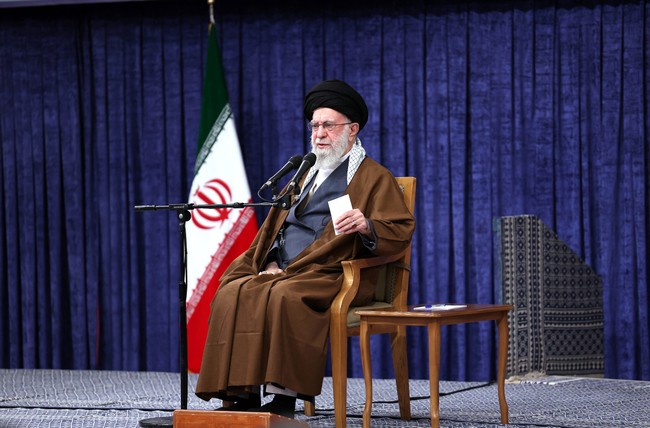
Those budget priorities reveal what the ruling elite values: power and survival over public welfare. Supreme Leader Ali Khamenei and his inner circle treat governance as a tool of domination rather than service. When crises arise, the instinct of the regime is to weaponize them to tighten control instead of fixing root problems.
That pattern feeds a simple, growing conclusion inside Iran: theocracy and monarchy alike are rejected by many Iranians. Across social groups — women, youth, minorities, and professionals — there is a clear appetite for secular, democratic governance built on rule of law and equal rights. This consensus runs through recent uprisings and the organizing seen among diaspora groups and exiled activists.
Recent meetings in Washington and elsewhere brought together thousands of Iranian Americans and activists to debate pathways to a free Iran. Those gatherings underscored a demand for democratic institutions and policies to protect citizens’ rights. Voices at such events repeatedly emphasized a nonviolent transition and a future that rejects replacement authoritarianisms.
Inside Iran, Resistance Units associated with organized opposition groups have expanded their activities despite brutal repression. They disrupt state propaganda, target elements of the security infrastructure, and coordinate protests that keep pressure on the regime. These networks demonstrate organized alternatives exist, not just spontaneous unrest, and they complicate the regime’s narrative of steady control.
Some exiled figures claim to represent Iran’s future through nostalgic or dynastic appeals, but the public mood rejects both a return to monarchy and continued clerical rule. Young Iranians driving protests want accountability and democratic participation, not the revival of old ruling families. The streets have repeatedly shown preference for modern civic institutions over any form of inherited authority.
The regime’s repression has been savage: thousands killed, mass imprisonments, and ongoing executions intended to terrorize dissent into silence. Numbers like more than 3,000 executions in recent years and dozens of political prisoners facing death sentences underline how threatened the state feels. Calls by regime-aligned outlets for repeat purges echo the darkest chapters of Iran’s past and sharpen domestic and international alarm.
The leadership’s fixation on annihilating organized opposition reveals where it senses real danger. When a state pours resources into expanding security forces, missile systems, and foreign proxies while basic services fail, it exposes a regime that has lost moral and practical legitimacy. The gap between rulers and ruled has widened to the point where regime change moves from possible to plausible.
For democracies watching Iran’s collapse, the lesson is straightforward: oppressive systems break down under the pressure of their contradictions. “Gradually, then suddenly” describes how long-term decay accelerates into rapid political change. The events now playing out inside Iran could move quickly if political and social triggers align, and the world should note how close that moment appears to be.
Editor’s Note: Thanks to President Trump and his administration’s bold leadership, we are respected on the world stage, and our enemies are being put on notice.
Please help us continue to report on the administration’s peace through strength foreign policy and its successes. Join RedState VIP and use promo code FIGHT to get 60% off your VIP membership.


Add comment