
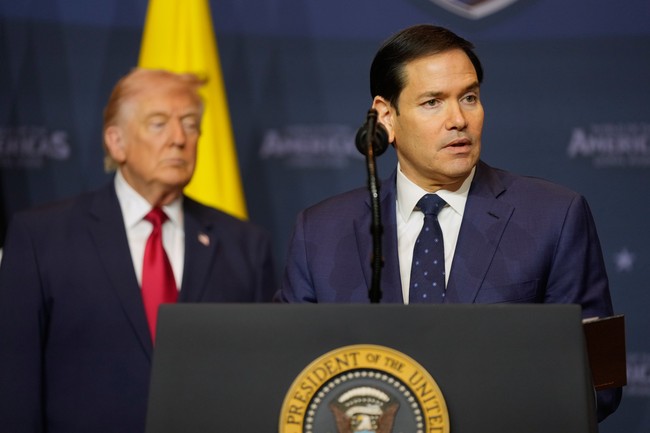
The U.S. has tightened sanctions on Cuba’s military-controlled conglomerate and related ventures to choke off the regime’s cash flow, and a Democratic congresswoman’s recent moves to seek outside help for oil shipments raise tough questions about loyalty to American strategy. This piece examines why targeting GAESA and similar entities is framed as pressure on the regime rather than punishment of ordinary Cubans, how past engagement failed to produce meaningful reform, and why actions that seek to bypass sanctions deserve serious scrutiny from a national security perspective.
The new restrictions focus on GAESA, the conglomerate run by the Revolutionary Armed Forces that dominates tourism, retail, and finance on the island. From a Republican viewpoint this is about denying the regime the funds it uses to prop up repression, not about penalizing families trying to get by. For decades engagement alone has not delivered liberty or market reforms; instead it often channeled foreign currency into the pockets of military elites.
Sanctions target the financial arteries that keep the regime afloat, aiming specifically at entities that funnel resources to the state security apparatus. The logic is clear: cut off the money to those who benefit most from the status quo and you increase pressure for change. That’s distinct from indiscriminate punishment of the Cuban people, and it puts the emphasis on accountability for those who profit from repression.
Energy shortages and blackouts plague daily life in Cuba, but those are consequences of systemic mismanagement and the regime’s economic choices more than they are the result of American policy. Tightening restrictions on oil shipments can squeeze the military-controlled economy while drawing attention to how resources are allocated. External pressure highlights dysfunctions that have long been hidden behind propaganda and selective foreign investment.
Rep. Pramila Jayapal’s recent trip to Cuba and her description of sanctions as “economic bombing” cast her as an active critic of current U.S. measures. Worse, she has admitted to exploring ways to secure oil from other countries to bypass U.S. restrictions, portraying it as congressional outreach. That raises a constitutional and political question: when does advocacy become a de facto foreign policy that undermines the elected administration and national strategy?
Work with foreign ambassadors to route fuel to a sanctioned regime crosses a line for many observers who believe Congress should debate policy, not privately arrange workarounds. The United States imposes sanctions for reasons tied to national security and human rights, and openly facilitating circumvention undercuts those rationales. At best this is poor judgment; at worst it risks aiding a regime that has backed adversaries and suppressed its own people.
History shows that rewarding repression with easy access to markets rarely produces liberalization. Past normalization efforts brought tourists and limited private commerce, but political power remained tightly held by the military and party elites. Targeted measures aimed at regime enablers are designed to change the calculus for those who benefit from oppression, not to deny basic goods to ordinary citizens.
Humanitarian concerns matter, and conservative policy can include avenues for aid that avoid empowering the apparatus of repression. Accountability and conditional engagement are not mutually exclusive; a responsible approach separates assistance for people from support for institutions that violate rights. Lawmakers should press for mechanisms that deliver relief directly to citizens without bolstering the forces that enforce the regime’s control.
Consistency is essential. If the U.S. will not tolerate trade that sustains repression, it must enforce that stance and expect Congress to work within that framework. Circumventing policy through back channels erodes leverage and signals weakness to other actors. Holding the line on accountability gives the Cuban people a clearer path to eventual reforms by denying the military the financial cushion that keeps it insulated from popular demands.
Targeted pressure aims to make it harder for regime insiders to profit and to increase the political cost of maintaining the status quo. That approach favors smart, focused measures rather than blanket isolation, and it recognizes the difference between punishing citizens and constraining a corrupt elite. The strategic goal is to widen the space for freedom and market opportunity by diminishing the military’s chokehold on the economy.
When members of Congress engage foreign officials to subvert U.S. strategy, it undermines democratic accountability and muddles foreign policy. Congress has an important role in oversight and lawmaking, but it does not have a free pass to craft independent foreign policy that undercuts elected leaders and established sanctions. Respect for process and national security obligations should guide any legislative outreach abroad.
Cuba’s future depends on a mix of pressure, principled engagement, and clear support for human rights and private initiative. That means targeting regime enablers, protecting humanitarian channels that reach people directly, and ensuring U.S. policy remains coherent. Lawmakers should debate tactics openly in Congress rather than pursuing private efforts that risk enabling the actors we seek to constrain.

Add comment