
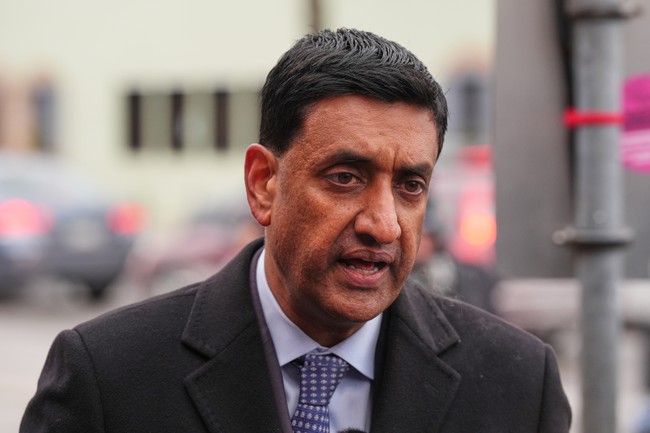
Israeli Ambassador Drops the Boom on Ro Khanna Over His ‘Detention’ Story
The Israeli ambassador publicly challenged Representative Ro Khanna’s account of being “detained” in the West Bank, saying Israel tried to coordinate with Khanna’s team and that Khanna instead traveled with Palestinian activists; the ambassador questioned the timing and motive behind the claim and said Israeli forces helped resolve the situation.
The initial claim from Rep. Ro Khanna was that he and his group were “detained” in the West Bank, a story that drew quick attention and criticism. Israeli authorities pushed back, saying the area was a closed military zone and that the Israeli Defense Forces were not responsible for any illegal detention. From a conservative perspective, the dispute raises questions about judgment and coordination when visiting volatile areas, especially after October 7.
Ambassador Michael Leiter said Israel reached out to Khanna’s team before the trip, offering meetings with survivors and guided briefings about border challenges, but that Khanna declined those overtures. “He ignored that, and he decided to coordinate his trip, not with Israel, but with Palestinian activists,” Leiter said, suggesting that better coordination could have avoided the incident. The ambassador’s point is straightforward: when U.S. lawmakers visit sensitive regions, proper coordination reduces risk and miscommunication.
Khanna maintains his version, saying they did notify authorities about visas and the trip. Leiter rejects that characterization, arguing the contact was limited to a visa question and not substantive coordination. That difference matters because it frames whether Khanna exercised basic diplomatic prudence or deliberately chose a confrontational route with activists instead of official channels.
Leiter also criticized the timing of Khanna’s public disclosure, noting the incident occurred midweek but was released days later. “You know to have this incident on Wednesday and wait to release it until Saturday. Maybe this had more something to do with his support of Graham Platner beforehand, and the difficulties he had with that? Trying to shift the focus to something else, perhaps? I’m asking a question.” That quote was delivered plainly and raises the specter of political motive rather than genuine security concern.
https://x.com/FaceTheNation/status/2076348260659134490
On television, the ambassador even made a light jab about Khanna positioning himself politically, and the audience reaction reflected skepticism. The conservative view interprets this as part of a pattern: Khanna often frames narratives to gain attention and move the conversation toward his political trajectory. Whether that was the intent here is up for debate, but the optics are unhelpful when dealing with national security-sensitive matters.
Khanna fired back on social media with a sharp statement, asserting moral outrage: “If a US Congressman & American citizens were detained illegally by settlers & the military of any other nation, the Ambassador would beg the American people for forgiveness and take action against the perpetrators. The height of arrogance.” That response repeats the central claim but does not reconcile the differences about coordination or what happened on the ground.
If Leiter’s account is correct and Khanna’s party was in a restricted area without proper notice, critics argue that drawing national headlines was irresponsible. The IDF claims to have helped resolve the situation, and officials say the area was a closed military zone where civilian presence is restricted for valid security reasons. For conservatives, respect for allied procedures and recognition of the unique security environment in Israel are nonnegotiable when U.S. lawmakers visit.
The back-and-forth underscores a broader tension: how members of Congress engage with foreign partners while promoting political narratives back home. Khanna’s critics say he should have accepted offers to meet survivors and briefings instead of coordinating with activists, which made any incident more avoidable. From this perspective, claims about detention look less like a security complaint and more like political theater that undermines constructive diplomacy.
Whatever the exact sequence of events, the controversy spotlights the need for clear communication and coordination between visiting lawmakers and host governments, particularly in areas still reeling from recent attacks. Israel’s response emphasizes cooperation and offers of access that Khanna allegedly rejected, and that refusal is central to the ambassador’s critique. The conservative takeaway is simple: lawmakers should prioritize safety and alliance cooperation over headline-driven moments.



Add comment