

The story follows Iran’s women’s national soccer team and the clash between their basic freedoms and a regime that treats them as property, not citizens; it covers silent protest during anthems, players fleeing for asylum in Australia, state media threats calling them “traitors during wartime” and the wider implications for Western responses to Tehran’s repression.
The footage of a player being guided toward a bus is simple to watch and hard to forget. What looks like routine team movement is actually a moment loaded with coercion, a public reminder that these athletes walk under constant pressure from state authorities and their enforcers. When a nation treats women athletes as extensions of state control, every uniform becomes a risk and every trip abroad a potential escape or a trap.
The Lionesses’ decision to remain silent during the national anthem and to skip it before a match was a quiet, pointed refusal. In a free society, silence is common protest; in Tehran, it is labeled treason and met with denunciations on state airwaves. Officials demanded they be punished “more strictly,” language that turns sports into a matter of national security and threatens severe consequences for anyone who steps out of line.
At least five players decided they would not test Tehran’s promise of harsher punishment and slipped away with help from Australian authorities. They have been granted humanitarian visas and moved to a safe house, choosing personal safety over returning to a system that punishes autonomous women. Others, understandably worried about family back home or pressure from officials, rejoined the team and returned toward Iran under heavy escort.
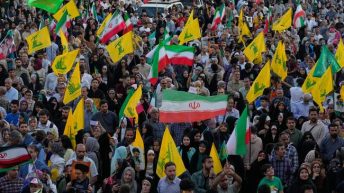
Outside hotels and stadiums, Australian protesters chanted “save our girls” and tried to hinder the team’s transport, while police formed lines to push crowds back and clear a path. Those scenes were not merely emotional displays; they were practical attempts by citizens to shield people in immediate danger from being returned to the very system those players were fleeing. When locals physically place themselves between officers and a bus, it shows how little faith communities have in international institutions to protect vulnerable people.
The regime’s grip is enforced daily by compulsory hijab rules, strict “modesty” codes and the ever-present threat of morality-police patrols. Players who appear “improperly” dressed can face arrest, fines, prison or even corporal punishment. These are not hypothetical risks; Iranian women have been beaten, detained and, in some tragic instances, died after encounters with the authorities tasked with enforcing dress and behavior rules.
Calling these athletes “traitors during wartime” is not rhetoric designed to persuade; it’s a legal and moral trap meant to justify harsh charges. That rhetoric can quickly escalate to national security accusations, leaving women exposed to detention and prosecution for acts that outside observers would see as personal expression. When the state speaks in such terms, it effectively claims ownership over both the public actions and private lives of its citizens.
Western politicians frequently utter slogans like “women, life, freedom,” but too often they continue business as usual with Tehran, treating the regime as a negotiating partner rather than an oppressor of women. The Lionesses’ actions reveal that the real problem is not isolated policy failures but a system that cannot tolerate independent women. Their courage is a direct rebuke to any government or federation that assumes sports organizations can shield people from political persecution.
International sports federations pay lip service to human rights while their procedures routinely fall short when athletes face real danger. Activists and local communities, not federations, were the ones physically intervening to slow a team’s forced departure. That gap between rhetoric and protective action leaves athletes dependent on the goodwill of hosts and on timely asylum decisions from receptive states.
The lesson from Australia is clear: when Iranian women find even a narrow opening to step away from the regime’s controls, many will take it. Western policy should recognize that these are not isolated incidents of dissent but a pattern of people voting with their feet against a system that treats them as second-class citizens. Standing with those who seek refuge and treating their claims seriously is a response that aligns with liberty and common sense, not with naive appeals for dialogue with their oppressors.


Add comment