
I’ll explain why the mayor’s invite mattered, who Mahmoud Khalil is and what he did, how the press covered the meeting, the mayor’s First Amendment defense, and why conservatives see this as a betrayal of public safety and support for Israel.
New York’s mayor hosted Mahmoud Khalil at Gracie Mansion during Ramadan, and that decision has sparked real outrage. Khalil is widely known for his role in pro-Palestinian demonstrations and for actions critics call supportive of violent actors. The invitation turned what some expected to be a private observance into a public political statement that forced people to pick a side.
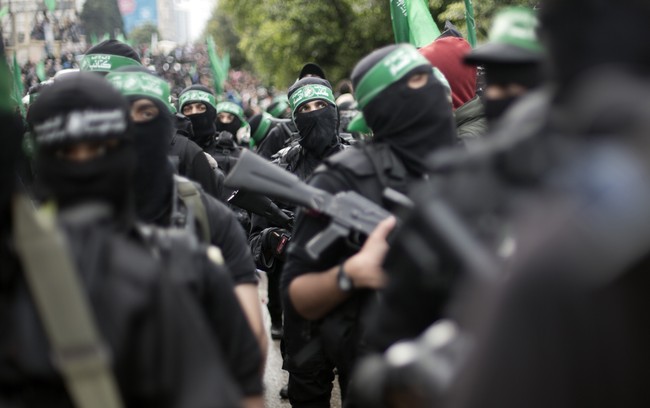
Khalil’s profile rose sharply after October 7, 2023, when Hamas killed more than 1,200 Israelis and took many more hostage. He earned attention in American media for his leadership role in pro-Palestinian activism at Columbia University, where he was described by outlets as a “lead negotiator” during campus unrest. For many, that title read as praise for someone organizers say pushed confrontational and violent protests against Israel.
Conservative voices see the mayor’s decision to host Khalil as more than tone-deaf. To them, it signaled a normalization of rhetoric and leaders who deny or minimize the slaughter of innocents on October 7. That outrage is amplified by a belief that universities and public officials have been too accommodating to activists who promote dangerous, one-sided narratives.
When the invitation went public, some journalists framed it as a mayor defending free speech and the rights of New Yorkers. The mayor insisted his actions were about constitutional protections and the city’s obligations to protect civil liberties. That defense did not sit well with critics who argue the mayor selectively applies concern for safety and rights.
The mayor’s own words were explicit and should be read exactly as he offered them. “As the mayor of New York City, I believe it is my responsibility to fight for the safety and for the rights of each and every New Yorker,” he said. “The only charge that was levied against him [Khalil] was the exercising of his First Amendment rights.” “And I have long maintained that he and any New Yorker should be able to exercise their First Amendment rights in this city without fear of the kind of punishment that was inflicted upon him,” he said.
Those statements are meant to place the issue squarely in constitutional terms, but opponents find the choice hollow. They point to Khalil’s public record of organizing protests and to rhetoric many consider hostile to Israel’s right to defend itself. To conservatives, a mayor who hosts such a figure at the official residence sends a clear message about priorities and allegiances.
Critics also point to how the mainstream press covered the event. Some outlets ran sympathetic profiles that emphasized Khalil’s role as a campus negotiator and his status as a graduate student, which many in the right-leaning audience took as soft coverage. That same coverage, according to those critics, downplayed the violence of October 7 and the concerns of pro-Israel citizens and families of victims.
The debate highlights a larger tension in American civic life: balancing free speech with public safety and moral clarity in the face of terrorism. People on the right argue that defending free speech should not mean elevating or honoring individuals who, intentionally or not, bolster narratives that excuse or legitimize violence. For them, the mayor could back civil liberties without hosting someone tied to advocacy they see as extremist.
This controversy also feeds into a broader critique of New York City’s leadership under its current political direction. Dissatisfaction with local governance and public safety policies is already high among conservative observers, and this dinner became a focal point for that frustration. To many, the invite looked less like a legal defense of rights and more like a political embrace of radical views.
There is also a perception problem: public officials are expected to use the mayoral residence in ways that unify rather than divide. Hosting a polarizing activist at Gracie Mansion, critics say, contradicts that duty and undermines trust among residents who want leaders to prioritize safety and support allied nations. That loss of trust, the right argues, is not easily repaired by legal arguments about the First Amendment.
Add comment