
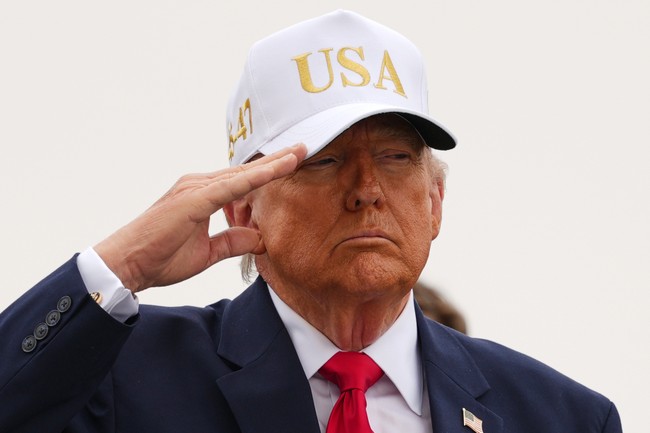
President Trump delivered a blunt, unapologetic message about the campaign against Iran, saying the United States is overwhelming Tehran and urging continued pressure on a regime he calls terrorist. He framed recent strikes as decisive, criticized media coverage that downplays U.S. gains, and issued a stark warning aimed directly at Iran’s leaders.
Early Friday, President Trump used Truth Social to declare that the United States is “totally destroying” the terrorist regime of Iran, and he emphasized military, economic, and operational pressure on the country. That blunt assessment is meant to contrast with media narratives some conservatives view as minimizing American success. The President’s tone was direct and intended to send a message both home and abroad that the U.S. will not relent in this campaign.
His post states: “We are totally destroying the terrorist regime of Iran, militarily, economically, and otherwise, yet, if you read the Failing New York Times, you would incorrectly think that we are not winning.” That line names the outlet he sees as misreporting the facts, while underscoring his belief that U.S. operations are producing concrete results. The Trump message stresses that Iran’s conventional forces are being degraded and that its leadership is under sustained pressure.
Trump went further with a graphic description of battlefield effects, asserting that “Iran’s Navy is gone, their Air Force is no longer, missiles, drones, and everything else are being decimated, and their leaders have been wiped from the face of the earth.” Those words are meant to convey finality and overwhelming force, and to reassure supporters that the U.S. is achieving its objectives. For his base, that kind of language reinforces the narrative of strong, decisive action.
The President also issued a pointed, personal threat to the regime, writing: “We have unparalleled firepower, unlimited ammunition, and plenty of time – Watch what happens to these deranged scumbags today.” He linked this to a historical grievance, accusing Iran of “killing innocent people all over the world for 47 years.” That timeframe and phrasing aim to justify continued offensive measures as retribution and prevention rolled into one.
Trump then framed his role in stark terms: “and now I, as the 47th President of the United States of America, am killing them. What a great honor it is to do so!” Those words are intentionally confrontational and celebratory of action, reflecting a commander-in-chief who sees battlefield results as validation of his approach. For many conservative readers, the remark reads as a pledge to finish what he believes previous administrations left undone.
Observers note the President’s comments came amid Operation Epic Fury, the military campaign he referenced when criticizing coverage that he sees as minimizing U.S. gains. He described the operation as a long-overdue reckoning for decades of hostile acts attributed to Iranian leadership and their proxies. The administration’s portrayal of the campaign emphasizes dismantling Iran’s capability to project violence abroad.
When pressed about reports surrounding Iran’s new Supreme Leader, Mojtaba Khamenei, Trump said in an interview that “I think he probably is (alive). I think he is damaged, but I think he’s probably alive in some form, you know.” That assessment was offered alongside other public commentary suggesting varying degrees of confidence about the inner workings and stability of Iran’s command. Remarks like that signal that the U.S. believes it has meaningful intelligence on key figures and is leveraging it in public messaging.
Media outlets and foreign reports have published a range of claims about Khamenei’s condition, from severe wounds to more modest injuries, but none of those claims have been universally verified. The President’s statement that the new Supreme Leader is “damaged” but “probably alive” was presented as informed speculation rather than a formal intelligence declaration. Still, in an information war, such statements are part of a broader strategy to sow uncertainty among Tehran’s ranks.
The directness of the President’s language is intentional, crafted to communicate resolve to allies and enemies alike while shaming domestic outlets he views as undermining morale. By declaring U.S. forces are defeating Iran “militarily, economically, and otherwise,” he establishes a comprehensive victory narrative that supporters can rally behind. That narrative also pressures rivals and neutral parties to reassess their expectations about the conflict’s direction.
For voters who want firm leadership and visible results, Trump’s comments play to a desire for decisive outcomes and a refusal to accept half measures. The commander-in-chief’s voice remains loud and confrontational, aimed at convincing both domestic audiences and adversaries that American power will be used until Tehran’s threat is neutralized. The message is clear: pressure will continue until American objectives are secured.


Add comment