
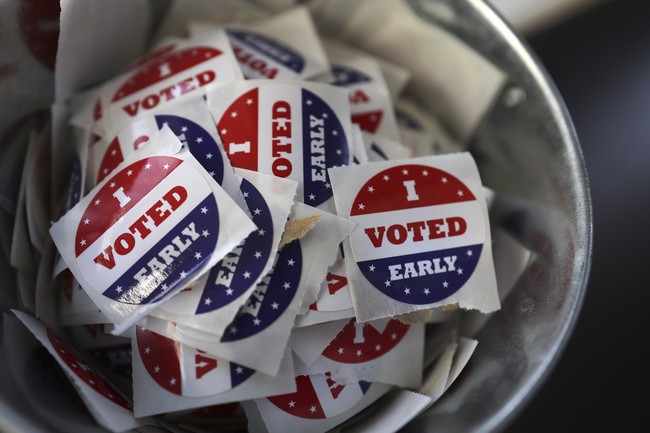
Grassroots Political Advocacy Fueled the Power of the Vote in Texas
Grassroots organizing delivered a decisive shift in Texas politics, overturning expectations and demonstrating that boots-on-the-ground activism still wins elections. Scott Presler and his Early Vote Action efforts, joined by other activists, mobilized voters who felt overlooked by the Republican establishment and helped change the trajectory of key races. That energy pushed outcomes in Texas and signals a broader challenge to incumbents who ignore voter sentiment. The result shows how persistent local engagement can reshape party dynamics and the composition of the Senate.
Scott Presler has long been a polarizing figure, drawing praise and ridicule in equal measure, but the facts are clear: his operation produces results. Through Early Vote Action and allied groups, volunteers went door-to-door, helped voters navigate voting procedures, and prioritized turning out supporters during early voting. Those tactics translated into real votes that unseated an entrenched incumbent in a Republican primary. The lesson for the party is that organization and personal contact beat complacency.
In the wake of the primary, Presler celebrated the victory alongside supporters at a Paxton watch party and then immediately pivoted to the next fight in Maine. He told attendees bluntly that this outcome is seismic: “This win for Paxton is a political earthquake. The Senate will be permanently shaken. The Republican Party is also permanently shaken.” That kind of language reflects more than boastfulness; it signals an intentional campaign to disrupt status quo politics within the GOP.
What matters is not the rhetoric but the mechanics: volunteers helping people vote, especially those facing barriers. Presler highlighted concrete examples of voters who overcame significant obstacles to cast ballots, underscoring how targeted assistance and local outreach raise turnout. One elderly woman with serious illness managed to vote because activists and family navigated the required paperwork and delivery steps. Those individual stories add up to the margins that decide primaries and can tilt general elections too.
WATCH:
The consequence for party leaders is clear: voters will not indefinitely tolerate representatives who ignore their priorities. John Cornyn’s loss in a primary reflects a larger impatience among the base with perceived establishment responsiveness. Activists argue that legislative priorities like the SAVE America Act matter deeply to many voters, and when leaders do not act, those voters will support challengers who align with their views. That dynamic is forcing a reevaluation of how elected officials respond to their constituents.
Grassroots efforts are not glamorous; they are sweat, persistence, and repeated human contact. Organizations like TPUSA Action and Early Vote Action emphasize consistent canvassing, voter assistance, and increased visibility in communities that feel unheard. This is old-school politics: being visible, listening, and offering help so voters know they matter. It contrasts with polished poll-driven strategies and donor-focused events that leave many voters feeling remote.
Personal contact changes behavior because it creates a sense of inclusion and obligation. When people are seen and helped, they are more likely to show up at the polls and to encourage friends and family to do the same. That sense of agency is powerful, and it shows in anecdotes where families move heaven and earth so an elderly member can have a single vote counted. Those moments connect individual sacrifice to collective political power.
On his X feed, Presler shared two specific examples that illustrated how grassroots work changed outcomes in the Paxton contest. One featured a hospitalized voter who, with help, navigated the process and voted. Another post described family members securing a sick relative’s ballot through medical certification and proper handling to ensure it was counted. These are not theoretical wins; they are the small, painstaking actions that produce electoral shifts.
Another young woman named Texas Girl tagged Presler in her post about how her sick mother wanted her vote counted, and her family moving heaven and earth to allow that to happen.
@KenPaxtonTX, @bennyjohnson, @atensnut, @LauraLoomer
Scott, my mom, YahChannah Wolf, who is 86 years old and has adenocarcinoma of the lungs was hospitalized night before last. As she got better, the biggest disappointment was that she couldn’t vote today in Texas. I called the Republicans of Texas, who told us how to get a sick & disabled form. My sister had to go get the form, bring it to the hospital for her doctor to sign proving she was ill, then bring the signed doctor’s form back to the election place! THEN she had to bring the ballot back, follow all proper procedures and our beautiful Mom voted! THEN my sister returned the ballot to the election headquarters. All that for her ONE vote. If an 86 year-old woman with incurable cancer can go to all that trouble to vote, so can the rest of us! So proud of her!
The striking line in that testimony stands alone: “If an 86 year-old woman with incurable cancer can go to all that trouble to vote, so can the rest of us.” It is a potent reminder that civic duty requires effort, and that effort matters. Activists see this as the antidote to complacency and the key to defending policy goals through elections. Encouraging participation and removing obstacles to voting are central to sustaining a responsive representative government.
Presler has not stopped at Texas. He has signaled that similar tactics will be applied elsewhere, including in states where incumbents resist legislative priorities activists champion. He even reached out directly to leadership offices to demand action on the issues his supporters prioritize, and warned he will mobilize if those leaders do not respond. That posture signals a new era of intra-party accountability driven by grassroots pressure.
What happened in Texas is a case study more than a one-off. When organizers focus on turnout, help voters with practical hurdles, and make people feel valued, political outcomes change. Those lessons matter for campaigns, for party strategy, and for anyone who believes in the power of the ballot. The unfolding dynamic will continue to test how well party institutions adapt to a more engaged and demanding electorate.


Add comment