
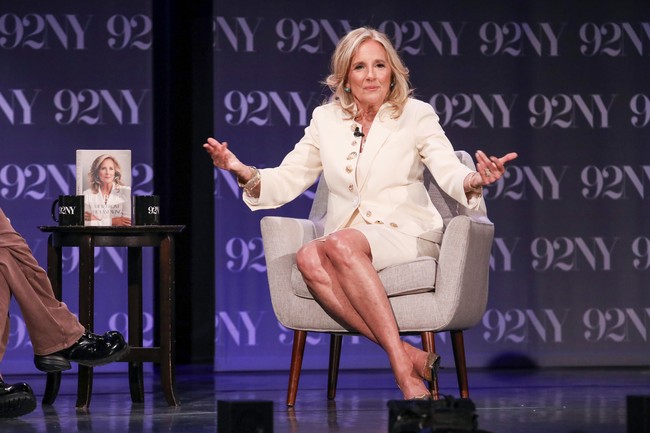
Jill Biden’s new memoir has reignited sharp disputes among former Biden aides, exposing tension over how the campaign and White House handled questions about President Biden’s fitness. Critics inside the party say the book reopens old wounds just as Democrats want to present a unified front, and some former staffers are openly scathing about Jill Biden’s framing of events. This piece walks through the aides’ reactions, Jill Biden’s terse public responses, and the wider political fallout for Democrats heading into the midterms.
The timing of the memoir has Republican critics smelling blood and Democratic insiders furious. The book’s release forces the party to confront uncomfortable questions about who knew what and when, and whether the campaign misled voters. For Republicans, it’s an opportunity to underscore concerns about transparency and fitness for office that were already in play during the campaign.
Many Democrats would rather not be having this conversation right now. They want to focus on attacking President Donald Trump, but the memoir drags voters back to scenes and symptoms that raised doubts about Joe Biden’s capacity. That tension is obvious: staffers who once defended tight schedules now find themselves defensive about past decisions.
The memoir’s portrayal of events has provoked blunt pushback from former aides who say Jill Biden misstates what actually happened. One anonymous former senior aide unloaded in particularly sharp terms, contending the book’s claims were absurd and turning the mirror back on the first lady. These are not minor quibbles; they strike at credibility and internal party discipline.
“I think Jill Biden must have had a stroke herself to think that her husband was up to the job,” said a Democrat who worked as a senior aide in the Biden era.
“If she can sit back and listen to his constant drivel for over 4 years, she’s the one with real cognitive decline. The fake doctor may want to consider self medication if it took this long to gain some self realization,” the aide said in a jab at the first lady’s insistence on being called “Dr. Jill Biden” for her doctorate in education.
Ouch. That quote doesn’t just bite; it aims to wound. Another ex-staffer pushed back on the memoir’s suggestions that people believed President Biden had suffered a stroke, noting the White House schedule continued unabated. The retort was plainspoken and mocking, pointing to the afterparty and a trip to Waffle House as evidence nobody treated him like a stroke patient.
“No one thought he had a stroke,” another former Biden White House official told The Post. “That is in her head and her head only. This has been litigated and relitigated among staff. We didn’t think he had a health issue because they kept on with the schedule. Immediately to the afterparty and then to Waffle House. Who goes to Waffle House after a stroke?”
One named spokesman, Andrew Bates, spoke on the record and admitted the party failed to win when it mattered. He said revisiting those painful conversations publicly now was unhelpful to the party’s prospects. His frankness embarrassed some and came across as yet another leak from inside the tent.
“We had a duty to win and we didn’t,” Andrew Bates, a spokesman in the Biden administration, told The Post. “I think about that all the time. But I don’t see why that painful conversation for the party needed to be publicly reopened right now.”
Jill Biden’s response at a Washington event was short and sharp. She downplayed the memoir’s political content and challenged Bates directly, telling him to call her and say it to her face. The clip of her telling Andrew to call her — “Call me up, and say it to my face, buddy” — only added fuel to the internecine fire.
Biden, 75, brushed off the criticism, noting her memoir only “had one chapter on politics” and the rest was about her four years as first lady.
“I want to say to Andrew: Call me up, and say it to my face, buddy,” she charged.
Her “buddy” line didn’t sit well with those who see it as tone-deaf. Reporters who cover the party observed aides growing more agitated after the exchange, and the airing of grievances continued in public channels. That public unraveling undermines any effort to present a disciplined message against Republican opponents.
Former Biden spokesperson @Rodericka goes on the record: “Why are we rehashing years-old scores and clinging to relevancy to sell books about palace intrigue within a wing that doesn’t even exist anymore? Focusing on this instead of the bleak reality Americans have been experiencing in the same time frame is exactly why we lost in 24.”
The line about a “wing that doesn’t exist anymore” landed as a sharp barb. Another former staffer pointedly credited Andrew Bates with changing the trajectory of the first lady’s public standing, suggesting political fortunes hinge on who speaks up. These kinds of insider zings make for bad optics and give opponents fodder for the fall campaign.
Another former Biden WH staffer tells me: “The former First Lady would still be known as the former Second Lady without Andrew Bates.”
https://x.com/AlexThomp/status/2062345604173361312
Aides talking to reporters about internal disputes was exactly what the Biden team tried to avoid after earlier books and reporting questioned the president’s readiness. Now those conversations are back in the open, and the result is predictable: more headlines and more partisan blowback. For Republicans, the back-and-forth is a reminder that disarray on the other side can be turned into political advantage.
Keep talking, the GOP will say. Every revealing anecdote, every curt reply, and every staffer barb fuels the narrative that Democrats are divided and distracted. That’s the political takeaway for now, and it will shape messaging as the midterms approach.

Add comment