
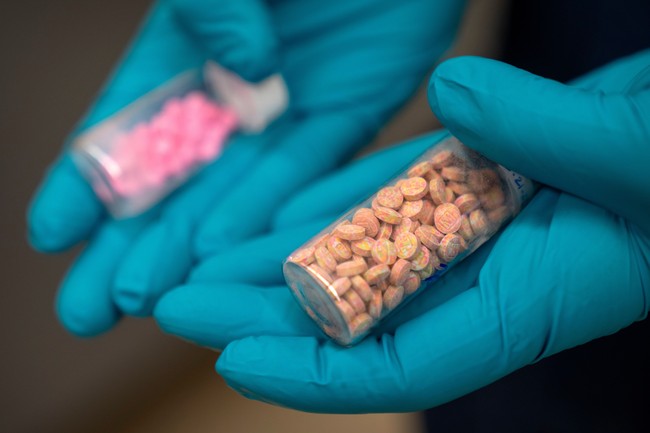
The piece lays out how aggressive action against drug cartels and tighter border control corresponded with a sharp drop in synthetic opioid deaths, highlights new CDC numbers showing a 22 percent decline in opioid fatalities, and quotes White House officials crediting the administration’s policies for saving thousands of lives.
New federal data released this year show dramatic movement on the fentanyl crisis, and the numbers are hard to ignore. In 2025, deaths tied to synthetic opioids fell from 48,913 to 38,084, a 22 percent reduction that translates to more than 10,000 fewer lives lost compared with the previous year. Overall drug overdose fatalities dropped as well, declining 14 percent from 81,313 to 69,973, indicating that the trend is not limited to a single category of drugs.
Those figures matter because they reflect real families spared the worst outcomes of addiction and poisoning. Thousands of sons, daughters, siblings, spouses, parents, and friends remain alive where they might not have been, and those are concrete results policymakers can point to. This is the kind of measurable progress voters expect when leaders say they will secure the border and target the criminal networks that traffic poison into our neighborhoods.
Administration officials argue those results are the product of coordinated pressure on multiple links of the trafficking chain, not one-off successes. They say the strategy included tougher border controls, stepped-up enforcement against traffickers inside the country, and designating cartel networks as terrorist organizations to disrupt their operations. Officials further highlight moves to treat illicit fentanyl as an extreme national security threat to give agencies new tools to act swiftly and decisively.
White House spokespeople have made a direct connection between policy and outcomes in public statements about the crisis. One statement reads exactly: “President [Donald] Trump targeted cartels who were profiting off the death of Americans, secured our border to stop Fentanyl and other illicit drugs from flowing into our communities, and jumpstarted ICE to arrest illegal alien fentanyl traffickers.” That language makes clear the administration credits enforcement with the improvement in national statistics.
Beyond death counts, law enforcement testing shows a shift in the potency of seized pills, which can signal changes upstream in production and trafficking. DEA testing indicated that only 29 percent of seized fentanyl pills in recent operations contained a potentially lethal dose, a steep fall from 76 percent two years earlier. That kind of drop in lethal concentration can reflect changes in supply chains, distribution practices, or the success of interdiction efforts targeting the most dangerous batches before they reach consumers.
https://x.com/PressSec/status/2090786892111380531
The Trump administration has framed these outcomes as proof that pressure works: go after the cartels, choke their routes, and seize their profits. Officials emphasize attacking the cartels’ money flows, transportation networks, and distribution channels rather than relying solely on public messaging or short-term interventions. The idea is straightforward: persistent, multi-pronged enforcement raises the cost and risk for traffickers, which can make trafficking less attractive or feasible.
Critics will argue that enforcement alone cannot solve addiction or that short-term declines might not hold without treatment and prevention work. Even so, there is value in stopping deadly pills from entering communities and in holding criminal networks accountable. When traffickers face the loss of revenue, incarceration, or targeted pressure on their leadership, the calculus for moving lethal substances changes, and that has visible consequences in national public health data.
These developments also reinforce the argument that federal focus and clear policy choices can move outcomes in a tangible way. When leaders prioritize border security, coordinated interagency enforcement, and a willingness to disrupt the cartel business model, the result can be fewer fatalities and less lethal product on the streets. For policymakers, that suggests a workable template: combine enforcement with treatment access and community support to sustain progress and reduce demand.
With these shifts in statistics and enforcement patterns, the national conversation on fentanyl and opioids is changing from despair to cautious optimism. The numbers do not erase the tragedy of those still lost to the crisis, but they do offer a sign that decisive policy choices can alter the course of a deadly trend. For a nation grappling with a modern narcotics threat, evidence of impact is a necessary foundation for continued action.



Home-based job that pays more than 12,000 Dollar per month by doing simple tasks on a laptop or mobile device part-time. Last month, I earned 24,863 Dollar from this job by working 4 hours per day online. Very simple jobs to do, and the earnings are insane. Everyone can now make more money online by joining the website listed below…..
𝒋𝒖𝒔𝒕 𝒖𝒔𝒊𝒏𝒈 𝒕𝒉𝒊𝒔 𝒔𝒊𝒕𝒆.. Www.PayAtHome1.Com