
The Federal Aviation Administration is planning large flight cuts at major airports as the government shutdown drags into its 36th day, with transportation leaders saying reductions are needed to keep the airspace safe while air traffic controllers continue working without pay.
The FAA announced a 10% reduction in air traffic across 40 high-volume markets starting Friday morning to ease pressure on understaffed control centers. This move follows mounting warnings from officials that sustained unpaid work by controllers is creating a safety risk and operational strain. The action is framed as preventive: reduce traffic now rather than scramble after a preventable disaster. Republicans argue this is the predictable result of Democrats keeping the government closed instead of prioritizing American security and frontline workers.
Officials have said the list of impacted airports will be released Thursday, and the public should prepare for more cancellations and delays if the shutdown continues. “If the pressures continue to build even after we take these measures, we’ll come back and take additional measures,” FAA Administrator Bryan Bedford said. That is a blunt acknowledgment that this is not a one-off fix but a stopgap that could be expanded if staffing and pay issues are not resolved. The administration insists these steps are about safety, not inconvenience, though travelers will feel the consequences.
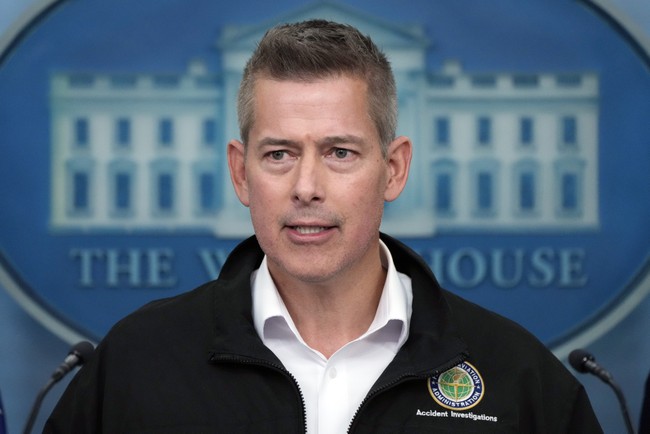
Transportation Secretary Sean Duffy has pushed the same point and emphasized that officials are acting now to avoid being forced to respond after a catastrophe. “Our sole role is to make sure we keep this airspace as safe as possible,” Duffy said. “When they fly they are going to make it to their destination safely, because we’ve done our work.” Those words aim to reassure the public while making clear that the choices leading to this disruption were political.
Duffy added, “We are doing our work,” and he reiterated that the reduction in flights is what officials believe they must do to maintain a safe operating profile. That stance reflects a practical problem: controllers are managing complex traffic patterns under mounting personal strain. The shutdown has left many frontline workers unpaid since October 1, and morale and capacity are eroding as paychecks are missed.
Reports from the field underline the pressure: controllers received 80 to 90 percent of one paycheck, then missed a second one, and soon will see a pay stub that reads zero for the next cycle. The reality on the floor of the tower is blunt and simple: some employees can weather one missed check, few can handle two. The Transportation Secretary warned that, absent a resolution, the country could see mass flight delays, widespread cancellations, and even targeted airspace closures because of insufficient staff.
Republican leaders are making a clear political point: this avoidable damage to air travel flows directly from Democratic shutdown strategy, which prioritized ideological demands over paying federal workers. The term “Schumer Shutdown” has been used by critics to hold Senate Democrats accountable for the impasse, arguing they chose politics over pragmatic governance. For conservatives, the FAA action is tangible proof of the costs when one party leverages essential services to win policy fights.
The human toll on controllers is a central theme in every briefing: fatigue, financial stress, and the moral weight of deciding when to press on and when safety dictates pulling back operations. Agency leaders have framed the flight reductions as a responsible step to protect passengers and crew, but the political framing will shape public reaction. Voters will evaluate whether the shutdown was worth this level of disruption to travel and commerce.
Operationally, airport operators and airlines must now plan for a lower throughput at busy hubs, reshuffle crews and aircraft, and manage customer expectations through what could be a sustained period of turbulence. Ground staff, baggage handlers and gate personnel will also feel the ripple effects from cancellations and rebookings. The economic impact extends beyond ticket refunds: hotels, car rentals and local businesses in hub cities depend on steady passenger flows, and those sectors now face uncertainty tied to national politics.
Administrators insist these measures are temporary and conditional: further reductions will follow only if pressures continue to mount. That conditionality is meant to prod lawmakers toward a solution while protecting safety. But without a quick political fix, the patchwork approach could become the new normal until budgets and paychecks are restored. The current situation leaves travelers and businesses bracing for more disruption while officials work to keep the skies safe.
Editor’s Note: The Schumer Shutdown is here. Rather than put the American people first, Chuck Schumer and the radical Democrats forced a government shutdown for healthcare for illegals. They own this.


Add comment