
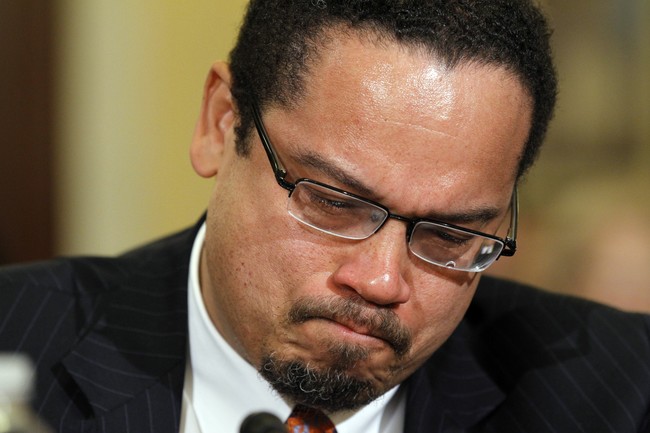
This piece walks through new reporting about audio that allegedly captures Minnesota Attorney General Keith Ellison meeting with convicted participants in a $250 million Somali fraud scheme, the timeline of donations tied to that meeting, and why the recordings raise serious questions about possible quid pro quo behavior and the need for a careful DOJ review.
Questions about Keith Ellison have escalated after reporting that audio exists from a 2021 meeting between the Minnesota attorney general and figures later convicted in a massive Somali fraud case. The core claim is simple: in that meeting Ellison offered to help, and shortly afterward campaign contributions from the group showed up in his account. That sequence demands scrutiny.
REPORTER: Congress [is] also asking why the AG there would meet with a group of Somali fraudsters which were under FBI investigation in 2021. The group can be heard in an audio clip given to us by Bock’s lawyer, offering to donate to his campaign if he can help get their funding flowing again. Ellison denies any wrongdoing here. He slammed Bock in a statement to Fox, calling her a liar and a manipulator, adding that now she’s on a media tour to deflect her guilt onto others instead of finally taking responsibility for this fraud scheme that she ran.
The alleged recordings came to light via a lawyer for Aimee Bock, one of the ringleaders convicted in the fraud. Ellison has attacked Bock’s credibility because she is imprisoned, but credibility questions cut both ways when audio is involved. Recorded material, if authenticated, is concrete evidence that cannot be dismissed with rhetoric.
There are multiple clips tied to the same 2021 meeting. One clip shows Ellison offering help and promising to use the power of his office on behalf of the people at the table. In other clips, those same individuals discuss backing candidates and contributing money to protect their interests. Put those pieces together and you get a pattern that looks dangerously like a pay-for-protection arrangement.
In the clip that resurfaced earlier, Ellison can be heard volunteering to assist and asking how he can help. The participants in the meeting speak about inserting themselves into the political arena, placing votes and dollars in the right spots to secure protection. That is a frank discussion about using political support and campaign dollars to influence outcomes, and it raises red flags given the timing and the later convictions.
A more damning excerpt was discussed on air when commentators noted the sequence: Ellison pledges to shield these people from investigative pressure, and a few days later donations from the same group land in his campaign account. Those contributions were returned only after the indictments became public. That behavior looks reactive and suspicious rather than transparent and aboveboard.
PERINO: [Keith Ellison] is on audiotape, and he’s talking to the fraudsters, and he says, “I want to help you.” They discuss how. They explain that they’re being cracked down upon. He says, ‘Don’t worry about it. I’m going to use the power of the Attorney General’s office to stop that, to prevent that from happening.” A few days later, guess what pops into his campaign account? Campaign contributions from these very fraudsters, and he gives that money back only after those people are indicted. So yes, I want to see him testify.
Exact quote clips included exchanges like “The only way that we can protect what we have is by inserting ourselves into the political arena. Putting our votes where it needs to be. But most importantly, putting our dollars in the right place. And supporting candidates that will fight to protect our interests.” In response, Ellison is heard saying, “That’s right.” Those words matter because they suggest mutual understanding about money and protection.
Another exchange captures the singular point: “You can only protect our interests when we have your back, and you don’t have to worry about who is behind you.” Taken together with Ellison’s offer to assist, it paints the picture of a classic quid pro quo scenario—help in exchange for monetary and political support. For anyone who believes in clean, accountable government, that’s alarming.
Republicans and others on the right will rightly demand a full accounting and transparency. It is not enough to hurl insults at the source or point to a defendant’s record and hope everything goes away. If the DOJ and investigators have more audio, the public needs to see it and prosecutors need to decide whether the clips form a legally solid case.
At the same time, prosecutors must be careful. Building a prosecutable case requires proof beyond a reasonable doubt that an official traded official acts for campaign contributions. That is the legal standard, and investigators must follow evidence and procedure to secure accountability without undermining their case. Still, the ethical and political dimensions are clear: an elected attorney general who appears to promise official protection in concert with political donations has crossed a line that demands action.
This controversy tracks back to a broader problem of political figures mixing advocacy, policy influence, and campaign financing with insufficient safeguards. Whether the recordings constitute enough to bring charges is a legal question, but the political question is straightforward: voters deserve clear answers about how their leaders conduct business and whether those leaders put private interests ahead of public duty.
This evil treasonous bastard belongs in GITMO NOW!!!