
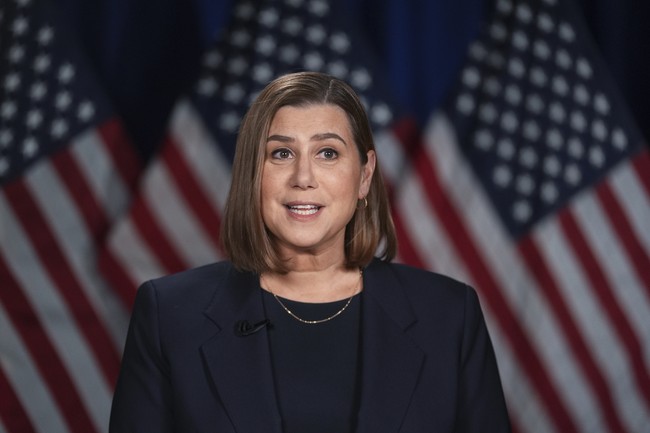
This piece examines a Politico profile of Sen. Elissa Slotkin and focuses on a specific incident that raised privacy and safety concerns when she confronted a Republican tracker by revealing personal details about his pets; the article also touches on her political positioning in Michigan, speculation about presidential ambition, and moments critics say betray a troubling approach to opponents and institutions.
Sen. Elissa Slotkin has been the subject of national attention as she navigates Michigan politics and intra-party tensions. The Politico profile discussed how she’s positioning herself amid a heated Democratic primary and noted a line of commentary that hinted at presidential thinking. Those broader points matter, but a single episode from her 2018 run keeps getting singled out for how it was handled and what it implies about her methods.
On the trail, stories like this matter because they reveal much about a candidate’s instincts under pressure. In the incident described, a Republican tracker who had followed Slotkin for months tried to get her on camera to discuss Medicare for All; instead of answering, she asked about the tracker’s pets. That exchange stopped the interaction cold and left observers wondering how she knew those names. The moment was framed by Politico as odd and, to many on the right, disturbing.
Later, I asked Slotkin about who she might lean on to staff a presidential campaign.
“I think the idea that there would be like a playbook for how to run for president, if you think there is, and you’re just following that playbook, you’re going to lose, because the electorate is changing faster than the consultants can figure out,” she said.
“It sounds like you’ve spent some time thinking through that,” I said.
“And traveling,” she responded.
That exchange about campaign strategy is revealing on its own, but the tracker episode is what draws the sharper critique. According to the profile, Slotkin asked, “How are Sloane and Leroy?” after the tracker pressed her for a comment. The tracker, startled, asked, “How do you know my dogs’ names?” as she shut the car door. The original write-up said it remains a mystery how Slotkin divined the names, which weren’t on social media or publicly known; a Slotkin spokesperson said he wouldn’t touch it. That unexplained knowledge created a chill among observers.
There are reasonable ways a campaign might come across personal details about someone following their candidate—public records, background checks, prior confrontations—but none of that explains why a senator would use that detail to spook the person asking a question. To critics, it reads less like quick thinking and more like an intimidation tactic, or at minimum, a display that she has the capability to find personal information about strangers. That’s the kind of thing voters should evaluate when deciding who deserves trust.
Calling out a tracker’s pets on camera does more than win a moment. It signals a willingness to weaponize personal information in a public setting, and that raises questions about judgment. Conservatives watching this take it as evidence Slotkin is comfortable with surveillance-style tactics, and they point to other moments that reinforce that image. Those examples shape how opponents and independent voters interpret her character.
On the trail, she made a name for herself in when her Republican tracker, who at that point had followed her for months, asked her on camera for her take on Medicare for All. Rather than answering, the former CIA analyst and member of the intelligence community under former Presidents George W. Bush and Barack Obama replied with a question that spooked the operative. “How are Sloane and Leroy?” Slotkin pried, betraying that she knew the names of the tracker’s pets. “How do you know my dogs’ names?” he responded, as she shut the door to her vehicle with a smile on her face. (It remains a mystery how Slotkin divined the names, which weren’t on social media or publicly known; a Slotkin spokesperson said he wouldn’t touch it.)
https://x.com/adamwren/status/2083929022279413764
That quoted passage stands untouched because the exchange is the core of the concern. Using private details as a rhetorical weapon suggests a level of access or reach that voters might find unsettling. When elected officials or candidates display a casual approach to exposing information about private citizens, even critics, it feeds a narrative about power being used to intimidate rather than persuade.
Some commentators disclaim interest in harassing trackers at all, noting the job’s tension, but they distinguish between lighthearted jabs and actions that feel invasive. There are people in public life who turn encounters into comedy; there are others whose responses read as messages about what they know and what they can do. That line is essential to the conversation about how candidates treat political opponents and the press.
Beyond the pets incident, Slotkin has taken public positions that have drawn pushback from within her own party, and those moments color how this episode is received. Critics use those clashes to argue she’s posturing for higher office while deploying tactics that worry civil libertarians and ordinary voters alike. Whether she’s actually preparing a presidential bid or simply testing messages, the tracker moment will follow her as a cautionary anecdote for skeptical observers.



Add comment