
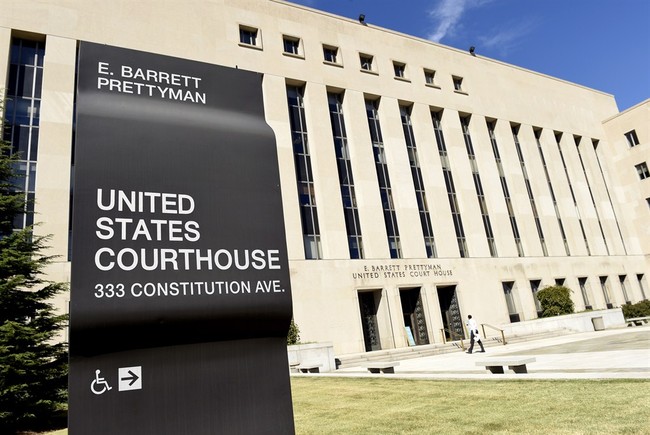
The D.C. Circuit granted a stay of a lower court injunction that had blocked the Biden administration’s 2025 policy on transgender service members, returning the dispute to the appeals process and underscoring judicial deference to military judgments about readiness, cohesion, and medical standards.
The appeals court’s action came in a 2-1 decision, with Judges Gregory Katsas and Neomi Rao supporting the stay and Judge Cornelia Pillard dissenting. The stay pauses the district court’s preliminary injunction, allowing the Defense Department policy to take effect while the government pursues its appeal. This move follows a pattern of appellate intervention in prior related disputes dating back to policy changes in 2016, 2018, and 2021.
The district judge who issued the preliminary injunction earlier this year drew attention for her handling of the case, prompting sharp reactions from the administration and observers who argued the court overstepped. The Justice Department quickly appealed and requested both an administrative stay and a stay pending appeal, citing the military’s institutional role in determining medical and fitness standards. The D.C. Circuit initially granted administrative relief and later formalized the stay pending the full appeals process.
Katsas authored a concurring opinion joined by Rao, explaining why a stay was appropriate under the familiar stay factors courts apply. He emphasized that deference to military judgments is a core constitutional principle when the political branches weigh national defense needs. That point plays into a broader debate about whether courts should second-guess the professional military assessments that guide personnel policy.
The United States military enforces strict medical standards to ensure that only physically and mentally fit individuals join its ranks. For decades, these requirements barred service by individuals with gender dysphoria, a medical condition associated with clinically significant distress. This bar was partially relaxed in 2016, revived in 2018, partially relaxed again in 2021, and revived again in 2025. District courts preliminarily enjoined the 2018 revival as a likely violation of equal-protection principles, but this Court vacated one of those injunctions, and the Supreme Court stayed two others. This case presents equal-protection challenges to the 2025 revival.
The 2025 policy generally bars individuals with gender dysphoria from serving in the Armed Forces. The Secretary of Defense concluded that this policy would advance important military interests of combat readiness, unit cohesion, and cost control. In doing so, he consulted materials compiled to assess the 2016 and 2018 policy changes, as well as more recent studies regarding the impacts of gender dysphoria on those with the condition and on their military service. The district court nonetheless preliminarily enjoined the 2025 policy based on its own contrary assessment of the evidence.
In our view, the court afforded insufficient deference to the Secretary’s considered judgment. Accordingly, we stay the preliminary injunction pending the government’s appeal.
Katsas’ separate concurrence runs through roughly 23 pages and outlines how the stay factors favor the government, mapping legal precedent about deference to military expertise. He highlights the uniqueness of military interests and presses that courts must respect the political branches’ judgment on matters of force readiness and cohesion. That legal posture guides the court’s willingness to pause the district court’s injunction while the merits proceed on appeal.
We can imagine few if any government interests more compelling than a strong and ready military. And while the district court concluded that allowing gender-dysphoric individuals to serve in the military would advance the cause of military strength and readiness, the Constitution assigns that assessment to the political branches, as cases like Goldberg and Goldman make clear.
The dissent by Judge Pillard frames the dispute differently, signaling skepticism about the majority’s conclusion that the balance of harms justifies a stay. Dissenting opinions often emphasize different assessments of the legal standard and differing views about how precedent should apply to equal-protection claims. That split echoes the broader ideological divisions on courts nationwide when reviewing military and personnel policies tied to sensitive constitutional issues.
Regardless of the outcome on appeal, the stay means the 2025 policy will remain in force during the appellate process, affecting personnel decisions and military administration in the near term. The case continues to test where courts draw lines between judicial review and deference to elected officials and military leaders. As appeals proceed, litigants and the public will watch how precedent and constitutional principles shape final resolution of the dispute.



Add comment