
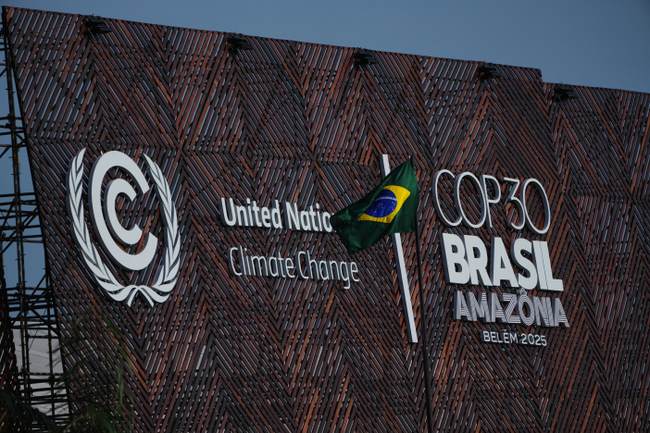
The 30th U.N. climate conference in Belem, Brazil, again highlights a familiar pattern: grand pledges, theatrical optics, and persistent failure to meet targets or deliver promised funds, leaving taxpayers and vulnerable communities with little to show for the global spending and posturing.
This COP arrived amid visible contradictions that undermine its credibility. Delegates traveled long distances, often by private transport, to a venue whose construction and access required cutting rainforest and paving roads, actions that directly add to the very emissions the conference claims to fight. Meanwhile, the event’s menu and logistics reflected local industries that are themselves part of the environmental debate.
Historically, these conferences have produced impressive rhetoric and ambitious deadlines but very little durable progress. The original 1992 promise to stabilize or peak greenhouse gas emissions by 2000 has not been met, and subsequent rounds of targets, funding commitments, and timelines have repeatedly slipped. That track record raises a central question: how should skeptics weigh new promises when past pledges have gone unmet?
Beyond missed deadlines, the architecture of global climate governance often creates perverse incentives. Some countries promote policies that lead to deforestation and subsidize biofuels and wood-pellet power, while also seeking international money to protect forests. That set of incentives rewards political theater more than measurable, verifiable outcomes, and it invites corruption and misallocation of funds.
Participation in the Paris framework required countries to submit updated national plans by February 10, 2025, yet only a small fraction complied on time. Even after an extension, fewer than half of the 197 parties had provided updated commitments by the later deadline, and many of those submissions lack concrete measures to limit fossil fuel production or set binding timelines. The gap between pledges and practical policy is glaring.
Longstanding fossil fuel investments by major economies further complicate the picture. Several nations continue to finance overseas oil and gas projects and expand domestic fossil fuel infrastructure with expected lifespans well into midcentury. Those investments lock in emissions pathways that undercut the logic of demanding steeper near-term cuts from others while maintaining production incentives at home.
The European Union’s recent agreement illustrates how political compromises water down ambitions. A sizable minority of member states either opposed or abstained from the EU’s updated commitments, and the plan allows a portion of required reductions to be met through market-purchased carbon credits. That approach effectively shifts responsibility and delays direct action, while keeping room to renegotiate targets if economic conditions change.
The funding side of the climate agenda also raises questions about accountability and effectiveness. Billions in pledges for adaptation and forest protection have been announced over past conferences, yet tracking and auditing those flows is inconsistent. Money that is supposed to help vulnerable communities often gets bogged down in bureaucracy, diverted by corrupt actors, or absorbed by intermediaries that add little value on the ground.
At a fundamental level, these conferences serve two overlapping functions: diplomacy and signaling. Diplomacy is necessary and can yield incremental cooperation, but signaling has become an industry unto itself. Government and NGO delegations secure visibility, contracts, and political capital even when the resulting agreements lack teeth or practical enforcement mechanisms.
That reality is politically consequential. From a conservative perspective, it calls for a sharper focus on measurable results, transparent accounting, and respect for national sovereignty in crafting realistic energy and land-use strategies. Instead of top-down global prescriptions, the priority should be policies that deliver tangible benefits to citizens, foster innovation, and reward verifiable emissions reductions.
One concrete implication is the need to reconcile climate goals with energy security and economic growth. Many nations expanding fossil fuel capacity do so to meet real energy demand and maintain stability. Any credible climate architecture must acknowledge those needs and provide durable, conditional support for transitions that are affordable and reliable, rather than rely on aspirational targets that are unlikely to be achieved.
Finally, the optics of events like COP 30 feed public cynicism when delegates preach austerity while enjoying a lifestyle that contradicts their message. That hypocrisy weakens public trust and hampers the political will required for meaningful change. If climate diplomacy is to regain legitimacy, it must demonstrate consistent, verifiable progress and align rhetoric with the behavior of the institutions and people proposing the policies.



Add comment