
The Bears’ potential move out of Illinois has gone from rumor to real negotiation, and the stakes are civic and cultural: a franchise long tied to Chicago may relocate to Hammond, Indiana, if lawmakers pass a bill and the team secures the concessions it seeks. This piece walks through the history, the political fight over public money, the reactions from state leaders, and why many Chicagoans feel betrayed by a team that has been part of the city’s identity for more than a century. I cover the financial tug-of-war, the emotional side of fans and families, and the clear consequence: Chicago could lose a defining institution if the deal swings across the state line.
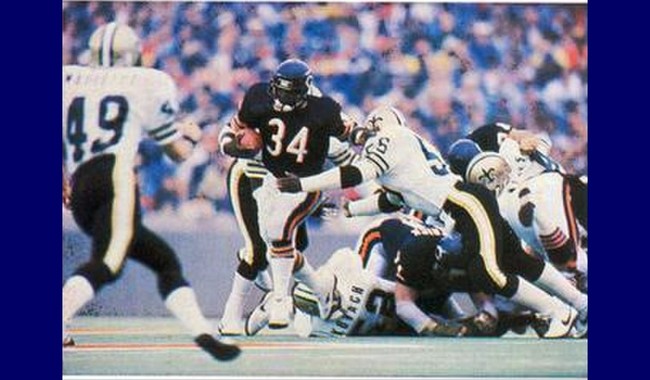
I grew up in and around Chicago and have carried Bears memories through my life, from Soldier Field with my dad to the ’85 Super Bowl in New Orleans. Recently, watching a comeback against Green Bay with my son reminded me how those moments bind families and cities together. The thought of those traditions shifting to another state feels like a cultural loss, not just a business move.
For more than one hundred years the Bears and Chicago have been inseparable in name and spirit, and the possibility of leaving Illinois cuts against that history. Owners and elected officials are now in a negotiation where tax breaks, stadium financing, and political priorities collide. The central question is who will pick up the tab and what concessions the team expects to make a new venue feasible.
Despite recent work in Springfield [the capital of Illinois], the Chicago Bears appear to be poised to leave the state.
Indiana lawmakers announced Feb. 19 that they have struck a deal to potentially locate the football team’s new stadium Hammond, Indiana, pending the passage of the bill, according to a report from the IndyStar.
The Chicago Bears released a statement on Feb. 19 further supporting their possible move to northwest Indiana.
“The passage of SB 27 would mark the most meaningful step forward in our stadium planning efforts to date,” the Bears wrote in a statement, speaking about Indiana legislation. “We are committed to finishing the remaining site-specific necessary due diligence to support our vision to build a world-class stadium near the Wolf Lake area in Hammond, Indiana.”
That block of reporting lays out the cold facts: Indiana has put a bill on the table and the Bears publicly acknowledged SB 27 as pivotal to their planning. For fans and taxpayers, the math is straightforward: public dollars are scarce, and handing over large subsidies to a billion-dollar franchise is controversial. Politicians must weigh civic pride and economic claims against budget priorities and voter backlash.
Governor JB Pritzker said he believed negotiations were progressing toward a deal, which makes the sudden Indiana push feel like a stab in the back to Illinois leaders. His administration had been involved in talks and expected a resolution that would keep the team in state lines, so the reported Indiana proposal landed as both a political and practical surprise. That political fallout will play out in Springfield and on the campaign trail.
Stadium deals always generate the same political fight: should taxpayers fund arenas for wealthy team owners, or should private capital shoulder the risk? Some argue a stadium is an economic engine that creates jobs and spurs development, while others point out studies repeatedly showing the public return is often weak. The Republican view here is clear: public money needs strict limits, and any corporate subsidy must be judged against core state priorities and taxpayer obligations.
Illinois faces competing needs and tight budgets, and many conservatives see this as the wrong time to hand over large tax breaks to a sports franchise. The state has pressing obligations, and voters are weary of using public funds for private entertainment, no matter how cherished the team. If the Bears demand heavy concessions, lawmakers are right to push back and protect the bottom line.
Emotion complicates the debate because the Bears are more than a business to a lot of people; they are a thread in memories and identity that spans generations. Losing the team would be a symbolic defeat for Chicago and a blow to neighborhoods that revolve around game days, local businesses, and civic pride. That intangible loss is what makes these negotiations feel personal, and why many voters will watch the next moves closely.
Ultimately, this fight will be decided where politics, money, and local pride intersect: in state legislatures, in boardrooms, and in the court of public opinion. If the Bears go to Hammond, Illinois loses not just a team but a cultural anchor. If they stay, taxpayers will want clear assurances that public dollars were spent wisely and that any public investment brings measurable benefits to communities across the state.


Why would anyone outside of amental institution want to stay in Chicago and pay for Brandon Johnson to destroy the city, spend 26 million dollars of taxpayers’ money to house illegal immigrants, defund the police, establish ICE free zones and trash people who are trying to help Chicago survive?