
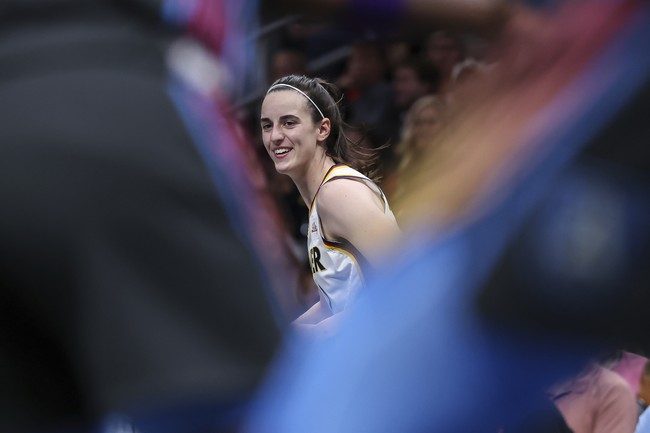
The arrival of Caitlin Clark in the WNBA has stirred intense reactions on and off the court, with recurring incidents of hard contact, disputed officiating, and inflammatory social posts drawing attention to how the league and teams respond to a suddenly high-profile player.
I used to watch more sports but pulled back as politics crept into coverage and locker rooms, so the WNBA was not on my regular schedule until Caitlin Clark’s pro debut reignited interest across the country. Her presence brought far more eyes, ticket sales, and media coverage than the league had seen in years, and that spike exposed both fandom and friction in equal measure.
From her first season in 2024, criticism landed from multiple corners, some from rival players and some from commentators, mixing sport with commentary about race and media attention. Those early barbs set a tone where every game featuring Clark seemed to invite extra scrutiny, leading to more than the usual on-court heat between competitors.
When Clark joined the Indiana Fever, opposing teams started to push back physically in ways that watchers and coaches described as more than routine roughness. Observers noted sequences where fouls that looked severe were either downplayed or not called at all, and that discrepancy became a recurring complaint from the Fever and their coaching staff.
The pattern reached a new flashpoint during a recent meeting between the Phoenix Mercury and Indiana Fever, where a second-period scramble left Clark on the floor after contact with defender Lexi Held. A reporter’s account said: “With 6:52 left in the second period, Clark drove into the lane and stumbled onto her side after some contact with defender Lexi Held. Held, DeWanna Bonner and Alyssa Thomas collapsed on Clark in pursuit of the ball. Amid the scramble, Thomas appeared to push her fist into Clark’s neck then got up and stepped over the top of Clark.”
Watch:
Fever coach Stephanie White reacted strongly after the game, arguing that officials did not treat Clark the same way as other players when similar situations occurred. “She is not called the same way everybody else is called.”
Those on-court complaints were complicated by off-court behavior from a team account, which posted—then removed—an image that mocked Clark in the aftermath of the play. The Phoenix Mercury X account made matters worse by and then deleting a rendering showing one of the players involved in the incident, DeWanna Bonner, mocking Clark shielding herself from the attack:
The trend is not limited to a single clip; there is a string of hard plays and questionable calls across Clark’s three professional seasons that critics call a pattern rather than a coincidence. Fans, analysts, and some players have assembled highlights and replays that show repeated physicality against Clark that often drew little or no official sanction.
https://x.com/stoolpresidente/status/2069940327369130021
Those highlight compilations have circulated widely, compiling examples where Clark absorbed hard contact without the same response from referees as other players typically receive. The clips feed a conversation about consistency, player safety, and whether superstar status changes how the game is officiated and how teams choose to react.
Adding to the controversy, league marketing decisions have become part of the debate. Clark’s omission from a 30th anniversary poster sparked criticism from supporters who saw it as a sign that the league was uncomfortable with or dismissive of the attention she commands.
The poster decision became another data point for critics who argue the WNBA is mishandling a rare growth opportunity by allowing or tolerating mixed messages in how it treats its breakout star.
Across social feeds and broadcasts, voices on all sides are weighing in: some see the treatment as competitive gamesmanship, others read it as targeted or unequal enforcement, and a growing number of neutral observers simply want clarity on the rules and consistency from the officials. The debate overlaps with larger questions about league priorities and how a sport adapts when a player instantly elevates the profile of the franchise and the entire competition.
Whether the league will respond with clearer officiating standards, internal discipline for teams or players, or different messaging on social media remains to be seen, but the immediate result is an intensified spotlight on both Clark and the WNBA. For now, the exchanges on the court and online keep the story alive and keep fans arguing about what fair play should look like.


Add comment