
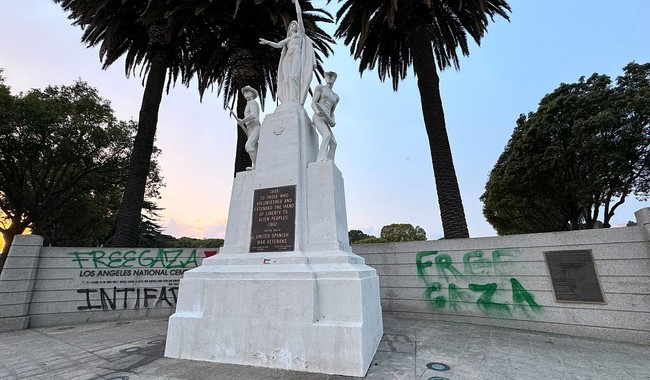
The post examines how America has treated veterans of the Global War on Terrorism, arguing that political choices, cultural shifts, and immigration patterns have left those who fought feeling betrayed; it connects electoral outcomes, local governance, and national policy to the morale and welfare of GWOT veterans while urging a return to clear national purpose and shared sacrifice. The piece compares past national unity during major wars to contemporary divisions, highlights examples of political developments in cities and states, and calls for policy and cultural changes that would better honor service and secure the nation.
I was young in 2001 when President George W. Bush announced the Global War on Terrorism. The nation had just absorbed the attacks that toppled the World Trade Center, struck the Pentagon, and saw Flight 93 crash near Shanksville, Pennsylvania. Those events shaped a generation that volunteered and served in difficult, unclear wars with the belief we were protecting the homeland.
“We will fight them overseas so we do not have to fight them here at home,” Bush told us. That promise helped justify the sacrifices of service members who left families and careers to put duty first. Today, many of those veterans watch political and cultural shifts and wonder whether that promise still means anything.
Recent election results in major cities have become symbols for veterans who feel their sacrifices are being discounted. The victory of candidates with views at odds with the nation’s traditional leaders, and the elevation of individuals who celebrate ideologies our veterans fought against, have a corrosive effect on morale. For veterans who watched citizens rally for World War II and Desert Storm troops, the contrast is painful and demoralizing.
Across the country, local controversies underscore the gap between past expectations of civic loyalty and current political priorities. In some cities, officials have favored local interest groups and specific voting blocs in ways that make veterans feel their service and the nation’s founding principles are being sidelined. Those developments feed a broader perception that elites value multicultural optics more than national cohesion and the rule of law.
On the ground, changes in immigration and settlement patterns intersect with civic culture and public policy. Large influxes of migrants who do not assimilate, or who maintain political allegiances at odds with American values, create friction in communities veterans once saw as reliably patriotic. That friction is often framed as compassion or restorative justice, but many veterans view it as a path to electoral and cultural shifts that undermine national unity.
Religion and public life are part of this mix. When municipal leaders treat faith differently depending on the community involved, veterans perceive a double standard that contradicts the principle of equal application of civic norms. These perceptions are amplified when public debates center on cultural accommodation rather than shared civic obligations.
https://x.com/GMB/status/1986715254869332096
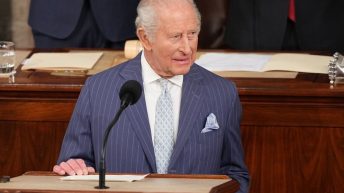
Foreign policy choices also weigh on veterans’ trust in leadership. Welcoming controversial foreign figures with high-profile gestures, or maintaining relationships that seem to reward bad actors, strikes many who served as a betrayal of the moral clarity they were taught to defend. Diplomacy often requires difficult compromises, but public honors for people tied to terrorism cross a line for those who lost friends and mates in combat.
The human cost of the GWOT is stark and ongoing. Service members returned home with wounded bodies and minds, marriages strained or broken, and families carrying burdens for years. GWOT veterans face higher rates of suicide and psychological injury compared with earlier generations, and many feel that public rituals and meaningless slogans do little to address the structural failures that followed their service.
Performative gestures of appreciation—short-lived ceremonies and empty platitudes—do not repair lives or restore the trust of veterans who were asked to give everything on behalf of a nation now perceived as drifting. Real support requires policy and cultural commitments: stable, meaningful jobs, mental health care that treats trauma seriously, clear national priorities about when and why the country goes to war, and a civic compact that expects shared sacrifice.
Restoring confidence among veterans means reshaping national aims and local governance so people can again see service as honorable and purposeful. That includes asking whether our military engagements are truly essential, reaffirming constitutional principles in civic life, and ensuring veterans are treated as citizens the country intends to defend rather than forgotten after ceremonies end. Without those changes, veterans will remain alienated while the nation drifts further from the purpose that once united it.
To protect what veterans fought for, communities and leaders must act with consistency and clarity, valuing citizenship and shared sacrifice over transient appeasement or ideological trends. The choices made in cities and statehouses ripple out to national morale and to the men and women who once carried the burden of fighting abroad for a country that now debates what it stands for.
Veterans deserve policies and a political culture that match the gravity of their sacrifices, not gestures that paper over deep fractures. Reestablishing a clear, collective purpose and restoring trust between civilians and the uniformed is a tall order, but one that matters to the country’s future and to those who wore the uniform.
Those who served across generations often say their sacrifices were made for a nation that intended to remain true to its founding principles. Today’s veterans confront a different civic reality, and their disillusionment is a warning sign about where national trends are taking us.
Meaningful reform will ask hard questions about immigration, civic assimilation, and the standards we apply to public figures and policy. Veterans know what happens when a nation loses moral clarity; they carried that cost so others might not have to.

Massive Manipulation is what we got here!
Fabricated initiatives based upon deception and lies! Bush said the New World Order was imperative too!
Those leaders don’t work for us the Citizenry but only serve their self interests!