
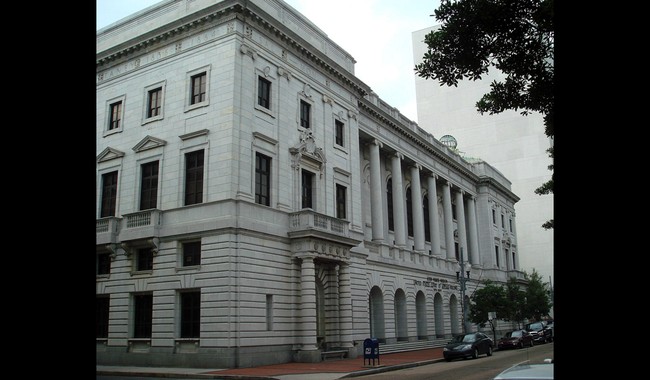
The 5th Circuit recently ruled that certain long-term undocumented immigrants detained under 8 U.S.C. § 1225(b)(2)(A) are entitled to individualized bond hearings after prolonged detention, reversing lower-court denials and granting habeas relief to three detainees; the panel set a constitutional floor of 90 days before such hearings must be provided, though one judge argued for an earlier review and another dissented. This decision constrains the Department of Justice and DHS within the 5th Circuit and raises the likelihood of further appeal to the full court or the Supreme Court. The ruling pivots on the distinction between physical presence and statutory labels when deciding due process rights.
On Thursday, a three-judge panel of the 5th Circuit upheld habeas relief for Ignacio Sosnava Rodriguez, Alejandro Villegas Angel, and Miguel Angel Gomez Alvarado, who entered the United States unlawfully more than a decade ago and have lived here since. None of the three have criminal records, each is a father to U.S.-citizen children, and each seeks or intends to seek cancellation of removal. The district courts had ordered release unless the government provided individualized hearings, and the appeals court affirmed that relief.
For years DHS treated long-resident unlawful entrants differently, allowing bond requests under § 1226(a), but that practice shifted after a late 2025 Board of Immigration Appeals decision that read those individuals as perpetual “applicants for admission,” subject to mandatory detention under § 1225(b)(2)(A). The 5th Circuit previously accepted that statutory interpretation in a separate case, leaving the present panel to focus on the constitutional consequences rather than statutory parsing. The current decision separates statutory classification from the constitutional analysis of due process.
The government argued these detainees lacked Fifth Amendment procedural due process because they were never “admitted” in the statutory sense, and therefore had fewer protections. The panel flatly rejected that premise and made clear that constitutional protections rest on physical presence and established ties within the country, not on immigration code labels. As the opinion puts it, “Statutory admission status does not decide when aliens gain due process rights.”
Judge Leslie Southwick, writing for the majority, stressed that long-term residents with deep connections to the United States deserve greater constitutional safeguards than those intercepted at the border. The court described the administration’s effort to equate long-resident detainees with border intercepts as “a complete fantasy,” underscoring that context and lived ties matter. The ruling recognizes a practical difference between someone briefly encountered at a port of entry and someone embedded in communities for years.
The court confronted the thorny question of how much detention the Constitution tolerates before individualized review is required. It recognized Congress can impose initial mandatory detention, but it cannot indefinitely detain without assessing dangerousness or flight risk. The majority set a constitutional floor of 90 days of detention before an individualized bond hearing is constitutionally required, while one concurring judge thought a shorter period was necessary.
Judge Cory Wilson dissented, warning that the majority improperly displaced Congress’s constitutional authority over immigration by imposing judicially crafted procedural limits. The dissent stressed deference to statutory schemes dealing with admission and removal and argued the court overstepped by redefining when process must kick in. That split highlights the ongoing tug-of-war between judicially defined due process safeguards and legislative immigration policy.
The panel distinguished this case from recent Supreme Court guidance in Mullin v. Al Otro Lado by noting that Mullin concerned migrants outside the country seeking entry, whereas these petitioners have lived inside the United States for years and challenge only their continued detention without individualized hearings. That factual framing was central to the panel’s willingness to find constitutional limits on mandatory detention. By focusing on presence and integration, the panel carved a narrower rule tied to real-world circumstances.
The immediate effect is that the three detainees keep their habeas relief, even as removal proceedings may continue against them, and within the 5th Circuit DHS now confronts a judicially imposed need to provide bond hearings after the constitutional threshold. The ruling could apply to thousands of detainees within the circuit, creating operational and legal pressure on the administration. Given the stakes, the government is likely to seek rehearing en banc or certiorari to the Supreme Court.
The decision brings immigration detention policy back into court-driven territory, forcing a balance between enforcement goals and constitutional protections for those who have established deep ties here. It will shape how DHS and DOJ handle long-term residents who entered unlawfully and prompt strategic choices about appeals and legislative responses. Expect a continued fight over where to draw the line between mandatory detention and due process for noncitizens who have been in the United States for many years.


Add comment