
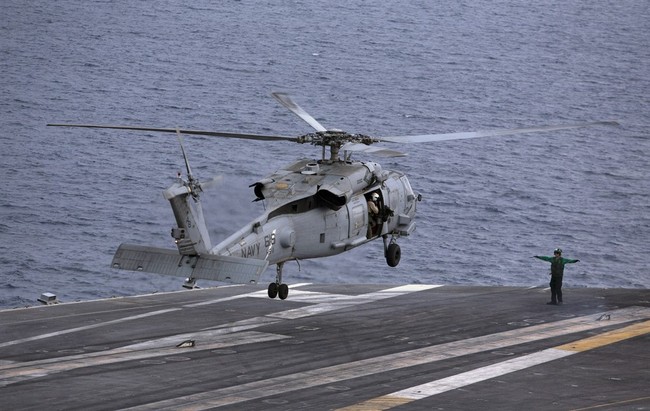
The United States intercepted a stateless tanker carrying Iranian oil and pushed back against media claims that Tehran is slipping ships past a U.S. maritime blockade, asserting broad enforcement from the Gulf of Oman to the Indian Ocean and beyond.
U.S. forces carried out a maritime interdiction overnight and seized a vessel transporting oil from Iran, showing that sanctions enforcement is active and mobile. This action was not limited to the Strait of Hormuz, which highlights a wider operational footprint aimed at denying Iran the ability to move sanctioned cargo freely. The seizure underscores a strategy of interception at sea and follow-through that reaches well outside a fixed chokepoint.
The official language released by U.S. forces made the intent crystal clear and stern. It emphasized persistent global maritime enforcement and a refusal to let international waters become a refuge for sanctioned actors. That wording signals a commitment to pursue and interdict wherever illicit shipping networks try to operate.
Overnight, U.S. forces carried out a maritime interdiction and right-of-visit boarding of the sanctioned stateless vessel M/T Majestic X transporting oil from Iran, in the Indian Ocean within the INDOPACOM area of responsibility.
We will continue global maritime enforcement to disrupt illicit networks and interdict vessels providing material support to Iran, wherever they operate.
International waters cannot be used as a shield by sanctioned actors. The Department of War will continue to deny illicit actors and their vessels freedom of maneuver in the maritime domain.
The seized vessel allegedly flew the flag of Guyana, a tactic often used to obscure origin and ownership, but U.S. forces identified it for what it was. Reports tie the ship to prior incidents of smuggling and link its intended destination to markets that have been used to move sanctioned Iranian oil. The interception shows intelligence and naval assets working together to disrupt these patterns in real time.
Centric to this effort is a broader approach announced by the administration: not merely policing a narrow sea lane, but projecting power across the maritime domain to deter and deny. That means ships transiting the Strait are still subject to monitoring and possible interdiction later in their voyage if they are tied to illicit shipments. The operational posture is deliberately dispersed to minimize risk while maximizing reach.
READ MORE: Report: Trump Planning to Drop Another Hammer on Iran and Their Ships
Iran Claims It Fired on and Seized Ships – but There’s More to the Story
CENTCOM also moved to correct media narratives suggesting Iranian tankers slipped through the blockade unchallenged, laying out specifics about ships that were said to have evaded U.S. enforcement. The command named vessels and described actions taken to intercept or escort them, arguing that some reports were inaccurate or misleading. That pushback aims to prevent false impressions that could embolden Tehran or undermine confidence in U.S. operations.
The official CENTCOM statement provided names and numbers to back its claims and framed the blockade as coordinated, reach-extending, and effective. By listing vessels that were directed to turn around or remain under escort, the statement sought to rebut a narrative of impotence and to show measurable results. For a Republican political audience, this kind of clarity on enforcement is exactly the proof of action many have demanded.
U.S. forces have directed 29 vessels to turn around or return to port as part of the U.S. blockade against Iran.
Over past 24 hours, media reports have alleged that several commercial ships evaded the blockade, citing M/V Hero II, M/V Hedy, and M/V Dorena as examples. These reports are inaccurate.
Hero II and Hedy did not sail past the blockade as part of a flotilla that “ferried” millions of barrels of oil to the market. In fact, the Iranian-flagged tankers are anchored in Chah Bahar, Iran, after being intercepted by U.S. forces earlier this week. Dorena has been under the escort of a U.S. Navy destroyer in the Indian Ocean after previously attempting to violate the blockade.
The U.S. military has global reach. American forces are operating and enforcing the blockade across the Middle East and beyond.
Critics in the media have a habit of leaning into sensational claims that make the administration look weak, even when those claims are inaccurate or incomplete. That tendency can play into the hands of hostile regimes by creating doubt about American resolve. From a Republican viewpoint, blunt enforcement and clear rebuttals are not just tactical moves, they are strategic messaging that matters in deterrence.
Operationally, the blockade is focused on trafficking to and from Iranian ports, not indiscriminately stopping global commerce. Ships that clear the Strait of Hormuz are still vulnerable to interdiction later along their route, which is precisely what has been happening. U.S. forces prefer to operate where they can control risk while maintaining the ability to interdict if wrongdoing is detected.
The military campaign has shown a lot of planning and execution, and it reflects a broader policy shift toward decisive action. That shift is designed to degrade Iran’s ability to fund and equip proxy operations and to make clear that sanctions evasion will carry real consequences. For supporters of a robust posture, these actions are evidence that the administration is following through where previous presidents did not.
Editor’s Note: For decades, former presidents have been all talk and no action. Now, Donald Trump is eliminating the threat from Iran once and for all.


Add comment