
This piece outlines recent tensions with Iran after an alleged attack on a United Arab Emirates nuclear site and explains how President Donald Trump has signaled a harder line, the U.S. blockade and options on the table for pressuring Tehran, and why the administration believes time is short for a meaningful deal.
Iran Reportedly Hits UAE Nuclear Site, and Trump’s Patience With the Regime Appears Finished
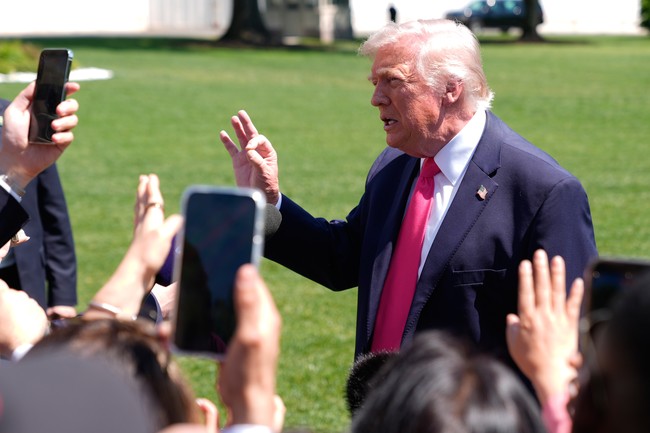
President Donald Trump returned from China with a blunt warning aimed at Tehran and a clear signal that patience is limited. The administration says its goal remains to force Iran to surrender highly enriched uranium and stop destabilizing behavior in the region. The stakes are framed as immediate, with Washington ready to maintain or step up pressure until Tehran shows real movement.
The reported drone strike on a UAE nuclear facility has sharpened tensions and reinforced U.S. concerns about Iranian-backed aggression. According to field reporting, the attack ignited a fire in a generator on the facility’s outskirts, an indication of both reach and risk. U.S. officials and analysts are treating the incident as serious and potentially tied to Tehran’s regional campaign of asymmetric attacks.
“For Iran, the Clock is Ticking, and they better get moving, FAST, or there won’t be anything left of them. TIME IS OF THE ESSENCE!”
That quote from President Trump underlines the administration’s posture: diplomacy backed by credible force and economic pressure. The White House has demanded Iran relinquish its most dangerous material, while Tehran insists sanctions relief or an end to the blockade precede any concessions. That stand-off has left negotiators at an impasse, with Washington calling previous Iranian offers inadequate.
News accounts suggest the UAE generator fire was the result of a coordinated drone attack, and officials have publicly pointed to Iran as the likely architect. The regional pattern — hostility toward Gulf partners combined with continued enrichment activity — feeds U.S. arguments that stronger measures are needed. Those measures range from tighter naval interdiction to selective strikes on regime assets.
Officials say that a drone attack against a nuclear power plant caused a fire at a generator on the outskirts of the facility. This is a significant attack, and likely conducted by the Iranian regime.
Washington’s current toolkit includes an economic blockade that has already strained Iran’s economy and curtailed its oil revenues. The administration frames that pressure as leverage to extract nuclear material or compel Tehran to stop sponsoring attacks on neighbors. At the same time, officials are preparing a menu of military and operational options should diplomacy fail.
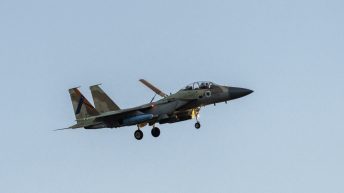
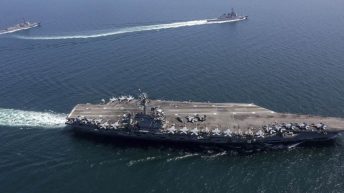
Strategic options discussed in policy circles include targeted strikes on specific facilities, renewed maritime operations to keep shipping lanes open, and intelligence-driven missions to disrupt Iran’s nuclear supply chain. One proposed move is expanding efforts that free up commercial shipping and stabilize global oil supply, measures designed to raise the cost of Tehran’s provocations without committing to a full-scale war. Another, more direct, option would be operations aimed at securing or neutralizing enriched uranium stockpiles.
Trump’s advisers emphasize credibility: pressure must be sustained to change Tehran’s calculations, and any response must be calibrated to avoid escalation beyond U.S. goals. That calculus leaves room for proportionate actions intended to degrade Iran’s ability to threaten regional partners while protecting American forces and interests. Officials are also weighing messaging to allies to build support for enforcement measures.
From the administration’s perspective, the clock is short and Iran’s past negotiating posture demonstrates a willingness to stall. U.S. leaders argue that continued provocations, like attacks on neighboring infrastructure, undermine trust and reduce the space for a negotiated settlement. The message now is simple: produce a serious offer or face intensified consequences designed to eliminate key threats.
Officials say they prefer a negotiated outcome that verifiably removes Iran’s most dangerous capabilities, but they stress they will not accept cosmetic changes that leave the nuclear program intact. For the moment, the region watches closely as diplomatic channels remain open but constrained by demands that Tehran must first show tangible, irreversible steps toward compliance.

Add comment