
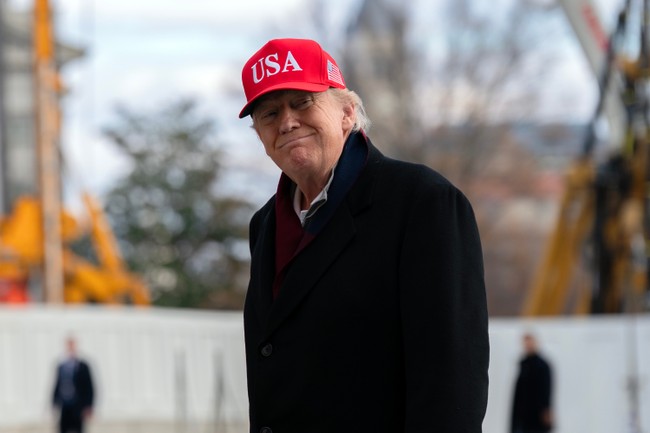
President Trump has floated the possibility that Americans could one day stop paying federal income taxes, proposing a shift toward tariffs and other foreign-sourced revenue to fund the government and lift the tax burden from working families.
Trump told reporters the American people “at some point in the not too distant future … won’t even have income tax to pay.” His comments signal an aggressive policy direction focused on replacing income tax revenue with alternative streams, chief among them tariffs on foreign goods and trade adjustments aimed at boosting the Treasury. That idea builds on a broader push to reshape how the federal government collects money and who ultimately bears the cost of public services.
He framed the plan as a way to shift the burden away from American earners and onto foreign trade partners. “Instead of taxing our citizens to enrich other countries, we will tariff and tax foreign countries to enrich our citizens,” he said, and tied the proposal to a new institutional tool he called the External Revenue Service. The claim is clear: large amounts of revenue could come in from outside sources if the administration successfully reorients trade and tariff policy.
Supporters point to major tax reforms already under discussion and laws like the One Big Beautiful Bill as proof that transformative change is possible. Joseph Lavorgna argued the measure “was engineered to Make America Affordable Again” and said it would put more money in workers’ pockets, looking to increase take-home pay and stimulate wage growth. That kind of rhetoric underscores a Republican perspective that cutting or eliminating income tax rewards work and strengthens the economy.
Administration officials, including Treasury advisors, have been optimistic about the potential economic benefits from such a redesign. Bessent and others forecast higher refunds and stronger wages, suggesting the changes could kick-start an economic cycle of rising incomes and consumption. The message is that fiscal creativity — using tariffs and duties strategically — can fund government needs while letting Americans keep more of what they earn.
Critics will be quick to call this ambitious plan unrealistic or politically risky, and they will question the long-term effects of greater reliance on tariffs. Tariffs can drive prices up for consumers and invite retaliatory measures from trade partners, and opponents warn that a shift away from income taxes could create distortions and instability. Even so, the administration argues that carefully calibrated tariffs and trade adjustments can be designed to target foreign producers and governments rather than American consumers.
Trump insists the goal is to protect American jobs and manufacturing while generating revenue from foreign sources instead of American paychecks. “It will be massive amounts of money pouring into our Treasury, coming from foreign sources,” he said, reflecting a belief that trade policy can be both a lever for national power and a revenue generator. For Republicans, using trade tools to benefit American taxpayers aligns with long-standing priorities of national advantage and economic self-reliance.
Practically speaking, eliminating income tax would be the largest overhaul of the American tax system in over a century and would require major legislative support. Lawmakers would have to rewrite revenue statutes, reconcile budgetary impacts, and manage the political fallout from sectors that benefit from or rely on current structures. The administration’s public statements aim to build momentum and frame the debate around prosperity and fairness.
Proponents say the payoff would be higher wages and broader economic growth if the policy is executed properly. They argue that reducing the tax drag on labor will increase productivity, consumer spending, and investment across Main Street and Wall Street. The optimistic scenario paints a future where Americans feel immediate financial relief and long-term economic revival as a result of lower direct taxation.
Skeptics remain concerned about transitional costs, international reactions, and the durability of tariff revenue. Tariff income can be volatile and tied to trade volumes, and some experts warn that relying on foreign-sourced funds may not be a stable substitute for a diversified tax base. Still, the administration’s emphasis on redirecting tax burdens away from citizens is meant to appeal to voters tired of losing hard-earned dollars to federal levies.
This policy pitch is as much political as it is economic, targeting voters who prioritize take-home pay and economic independence. It positions the Republican argument plainly: Americans should keep more of what they earn, and the government should look for creative, patriotic ways to raise revenue without squeezing families. Whether the proposal can survive legislative scrutiny and the practical realities of global trade remains the central question.
The conversation now moves to Congress and the markets, where the feasibility of replacing income tax revenue with tariffs and other external sources will be debated. If enacted, abolishing income tax would reshape fiscal policy and shift the relationship between citizens and government in a significant way. For now, the promise of a future without income taxation is a bold headline and a test of political resolve from the administration.



Start now generating extra home based cash by doing very easy and simple job from home. Last month i have earned $19753 from this job in my part time. This job is just awesome and its earning are greater than 9 to 5 office job.
Here is I started_______ EarnApp1.Com