
This article looks at President Trump’s refusal to follow the War Powers Act deadline, his claim that the measure is unconstitutional, the administration’s view that hostilities ended with a ceasefire, and the reactions these moves have stirred in Washington and the media.
Friday marked the formal 60-day point that would normally trigger a request from the White House for congressional authorization to continue military operations, yet the president chose a different path. He set out two clear reasons for not asking Congress to approve continued action against Iran. One is his constitutional objection to the War Powers Act itself, and the other is his position that the conflict was effectively halted by a ceasefire on April 7.
From a Republican standpoint, the president’s stance is straightforward: the executive branch must retain the ability to protect Americans and respond to threats without being handcuffed by a statute he and prior presidents view as overreaching. That view is not novel; this administration leans on the precedent of prior occupants of the Oval Office who questioned the law’s restrictions. The result is a confident, if confrontational, reading of presidential authority in matters of national security.
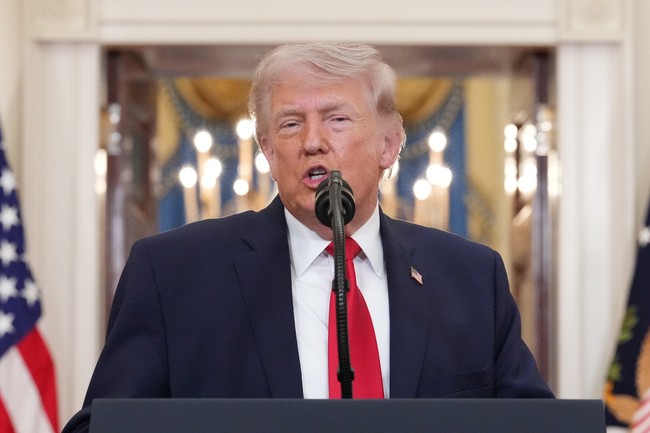
His public comments were blunt and unapologetic. “President Trump is apparently not going to abide by the 60-day limit for a president to get congressional approval for a war.” “Let me just tell you, on the war powers, so many presidents, as you know, have gone and exceeded it,” Mr. Trump said while departing the White House for Florida on Friday. “It’s never been used. It’s never been adhered to. And every other president considered it totally unconstitutional. And we agree with that.”
Beyond rhetoric, the administration put its views into a formal letter to the House Speaker laying out the steps taken and the timeline of operations. The White House insisted it acted consistently with its duty “to protect Americans and further the national security and foreign policy interests of the United States.” That letter, submitted under the War Powers Act, detailed the timeline of the operation and noted that a ceasefire has been in place since April 7, but did not seek congressional authorization to continue the conflict. He noted the hostilities that began Feb. 28 “have been terminated.”
In conversations and statements, the president emphasized ongoing communication with lawmakers, even while he rejects the need for a formal authorization. “But we’re always in touch with Congress. But nobody’s ever saw it before. Nobody’s ever asked for it before. It’s never been used before. Why should we be different?” he told reporters. That mix of consultation without legal submission is designed to keep the executive nimble while avoiding the procedural box the War Powers Act creates.
Supporters argue this approach preserves deterrence by allowing the president to posture and position forces where needed without paralysis. From that perspective, insisting on a congressional authorization for every extended operation would tip off adversaries and limit mixed-tool responses short of full-scale war. Keeping options open, they say, is the very point of having a single commander in chief empowered to act swiftly for national security.
Critics, predictably, are louder in their objections, framing the decision as a constitutional dodge and an overreach of executive power. Much of the media response has been theatrical, with commentators and lawmakers demanding formal debate and, for some, even legal challenges. Those fights will play out in hearings, op-eds, and court filings, but for now the administration is running the clock differently.
The president also argued that, technically, the conflict never reached a sustained 60-day stretch because the ceasefire took effect on April 7. That assertion is crucial to his lawyers and advisers since it reframes the legal trigger point for the statute. If hostilities are judged to have “terminated,” then the statutory obligation to seek authorization arguably never fully kicked in.
Whatever happens next, this episode underlines a larger fight about war, power, and who gets to decide when the nation commits forces overseas. The administration is betting that force posture and rapid decision-making must remain squarely in the hands of the commander in chief. Opponents will test that assumption in public and in law, and the outcome will shape future presidential action on the world stage.
The White House made clear it will continue to position forces in the region as needed for national security, while simultaneously rejecting the requirement to obtain congressional authority under the War Powers Act. That posture signals a willingness to confront both external threats and domestic critics without yielding ground on presidential prerogatives. For now, the president shows no sign of reversing course, even if hostilities resume and the legal arguments return to center stage.

Add comment