
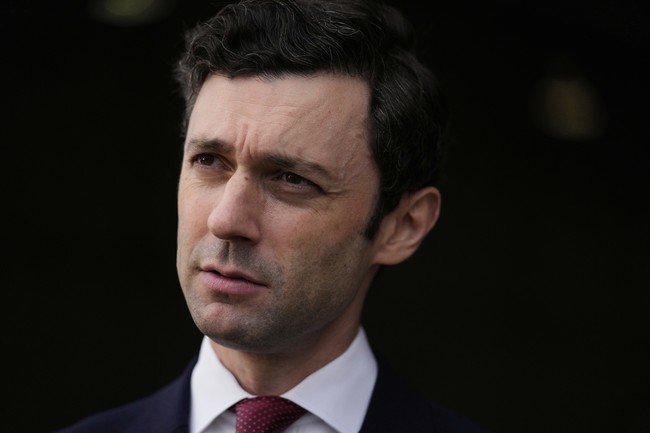
The Southern Poverty Law Center (SPLC) faces a federal indictment accusing it of routing more than $3 million to extremist groups, and Georgia Sen. Jon Ossoff’s continued silence — despite accepting large sums and an endorsement — raises sharp questions about judgment and accountability in a competitive 2026 Senate race.
The SPLC has long positioned itself as a watchdog on hate and civil rights, but recent allegations have upended that image. The Department of Justice charged the organization with 11 federal counts, claiming funds meant for informants were actually funneled to extremist groups to keep the organization’s influence and income flowing.
Many observers expected prominent Democrats to condemn the alleged misconduct, yet Senator Jon Ossoff has been conspicuously quiet. That silence stands out because public records show he received significant financial support and a formal endorsement from an arm of the SPLC during his 2020 campaign.
The money in question is material: more than $700,000 flowed into Ossoff’s campaign account from the SPLC’s politically active arm, according to Federal Election Commission filings cited in reporting. Accepting that level of support creates both political exposure and ethical questions when the donor is accused of financing violent groups rather than combating hate.
Ossoff has also publicly thanked the group in the past for its work, praising decades of civil rights defense in a video celebrating the nonprofit’s anniversary. That public praise, combined with the sizable contribution, makes silence amid the indictment look more like avoidance than oversight. For a senator running in a tight race, avoiding a direct response invites criticism from opponents and party rivals alike.
Ossoff, the most vulnerable Senate Democrat running for re-election in 2026, is endorsed by the law center’s 501(c)(4) arm. The group contributed more than $700,000 to his campaign account in 2020, according to Federal Election Commission (FEC) filings.
The Georgia Democrat has also praised the group’s purported efforts to combat racism.
“Thank you for decades of work defending civil rights in the United States,” Ossoff said in a video celebrating the nonprofit group’s 50th anniversary in November 2021.
Republican challengers have seized the moment, arguing that this is about accountability and common-sense standards for elected officials. Critics point out that if money came from a group now accused of funding extremism, returning the funds or at minimum answering tough questions would be the minimum acceptable response for anyone who claims to stand against violent extremism.
Former coach and GOP candidate Derek Dooley and other Republican contenders quickly highlighted the inconsistency between Ossoff’s past praise and his current silence. That contrast is useful messaging for opponents in a campaign where perceptions of judgment and integrity matter as much as policy positions.
The Republican National Committee publicly criticized Ossoff, saying his refusal to reject the endorsement or return the money amounts to complicity. The RNC’s spokeswoman accused him of being “too spineless to reject the Southern Poverty Law Center’s endorsement and return their money,” and claimed that silence equals enabling.
“If Jon Ossoff is too spineless to reject the Southern Poverty Law Center’s endorsement and return their money, he’s complicit in funneling millions to violent extremist groups like the KKK,” RNC spokeswoman Emma Hall said. “Anyone who doesn’t condemn these indicted fraudsters is wrong for Georgia — plain and simple.”
Polling already shows Ossoff in a vulnerable position against several GOP challengers, with margins that suggest his re-election is far from secure. Analysts argue that revelations about the SPLC and his lack of comment could erode confidence among undecided voters who weigh character and judgment heavily.
At stake here is more than a single campaign contribution; it’s about transparency and the duty of public officials to address dubious funding ties when serious criminal allegations are on the table. For voters watching closely, the question is simple: will their senator answer the hard questions or keep hoping the issue fades?

Add comment