
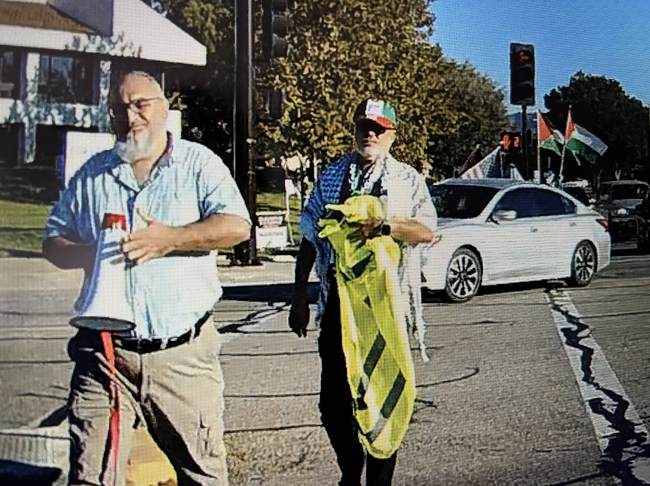
The courtroom on Tuesday morning was closed to members of the press, according to reporting, and there was no public notice allowing journalists to observe the proceeding. That left news organizations with no live account of what was said during the plea hearing, forcing them to rely on later records or to pay for a court reporter transcript. The lack of immediate transparency fuels the concern that a significant plea decision occurred without public scrutiny or timely access for victims and their supporters.
Procedurally, Malan was not the judge who presided over the two-day preliminary hearing, although he likely had access to the transcript. During the plea Alnaji admitted the existence of three aggravating factors, and the public filings show no listed mitigating factors in the available records. How the judge weighed aggravation and mitigation, and what evidence he relied upon when discussing the case as an accident, remains unclear from the public docket and filings now available.
Both prosecutors and Kessler’s family have expressed objection to a probationary sentence, and the case is scheduled for a formal sentencing hearing on June 25, when victim impact statements will be delivered and a probation department sentencing report will be considered. Observers expect a crowded courtroom and a thorough presentation by prosecutors and eyewitnesses aimed at demonstrating the severity of Alnaji’s conduct beyond the image of a mild-mannered professor.
Public records show a complex procedural history: after the death of the original judge in September 2025, the case moved through scheduling conferences, multiple continuances, and reassignment before landing with Malan. The calendar entries reveal repeated press requests to photograph, record, or broadcast hearings in the lead-up to trial dates, which makes the absence of press at the May 5 proceeding conspicuous given the case’s profile.
At sentencing, the judge will have a presentencing report and victim impact statements to review before imposing a final disposition. The legal community and the victim’s supporters will be watching whether the court’s earlier indications, as reported by defense counsel, align with the formal record at sentencing and whether procedural norms about notification and transparency were followed in this high-profile case.



Add comment