
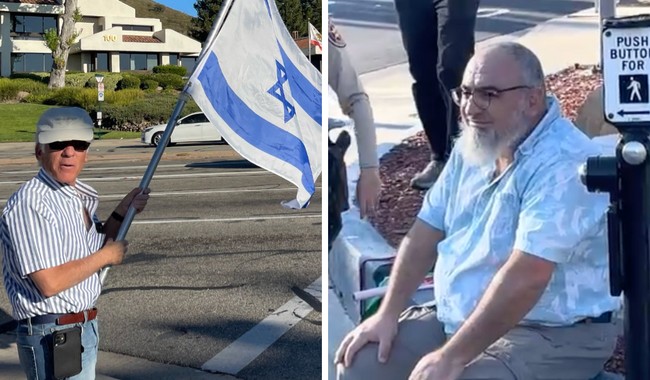
UPDATE 10:20 PM EDT, MAY 5, 2026: According to Loay Alnaji’s attorney, Ron Bamieh, Ventura County Superior Court Judge Derek Malan indicated that he would sentence Alnaji to one year in prison followed by three years probation if he entered a guilty plea to all charges. Ventura County District Attorney Erik Nasarenko’s office is opposed to that potential sentence and is asking for the maximum sentence for Alnaji. Kessler’s family also opposes the deal. Sentencing has not yet occurred and is scheduled for June 25, 2026.
In an unscheduled court appearance on a recent Tuesday morning, Loay Alnaji pled guilty to one count of involuntary manslaughter and a felony count of battery causing serious bodily injury, with a serious felony enhancement and aggravating factors of weapons use and vulnerable victim for both counts. He faces up to four years in prison for each felony count and will be sentenced in June. The plea marks a major development in a case that has inflamed local tensions and drawn national attention.
The incident dates to November 5, 2023, during protests following the October 7 attacks on Israel, when Alnaji was identified as one of the leaders of a demonstration in Thousand Oaks organized by the Islamic Society of Simi Valley. Paul Kessler, a pro-Israel counterprotester, was struck in the face with a large metal bullhorn and fell, fracturing his skull. Kessler died about seven hours after the assault; the physical blow and its consequences are central to the charges Alnaji accepted in court.
From the start, Alnaji and his supporters insisted Kessler was the aggressor and that he “slipped,” and they portrayed the pro-Hamas demonstrators as peaceful. Video evidence and witness accounts told a different story, showing a mob crossing the street to confront the counterprotesters. That footage has been repeatedly cited by prosecutors and community members who view the attack as unprovoked and violent.
At the scene and in subsequent videos, agitators can be heard directing hateful chants at the counterprotesters. One widely circulated clip, recorded while Kessler was being loaded into an ambulance, captures the crowd chanting, “Hitler didn’t want you, Hitler didn’t want you, Hitler didn’t want you, Hitler should’ve smashed you.” The man on the bullhorn in that clip has been publicly identified and tied to leadership roles within the mosque community involved in organizing the march.
Local leaders connected to the mosque have since expanded the facility despite neighborhood opposition, a move many residents say ignored community concerns about safety and coordination with city officials. Alnaji, a naturalized U.S. citizen originally from Jordan, has been on paid administrative leave from the Ventura County Community College District, where he taught computer science and advised the Muslim Student Association, since his arrest in 2023. That administrative status has fueled frustration among residents and victims’ advocates who expected swifter action from the college.
Prosecutors filed amended information in court the morning Alnaji entered his plea, and the filing reflects added aggravators tied to weapons use and the vulnerability of the victim. Those enhancements increase the legal stakes and underline the gravity prosecutors say the attack carried. Defense and prosecution are now squared off over an anticipated sentence that could range from the probation offer reportedly floated in court to a much harsher term the district attorney seeks.
The case has become a flashpoint in broader debates about protest, public safety, and how local institutions respond when political demonstrations turn violent. Neighbors who watched the mosque expansion process say their objections were largely dismissed, while community members on the other side insist their freedom to organize and protest was being unfairly maligned. That split reflects a larger national divide that keeps surfacing every time protests touch on international conflicts.
Coverage and commentary on the case have been intense and, at times, partisan. Editor’s Note: Democrats are fanning the flames and raising the rhetoric by comparing ICE to the Gestapo, fascists, and secret police. The charged language from various corners has only heightened emotions as the legal process moves toward a final sentencing date on June 25, 2026.
Legal observers will be watching whether the judge follows the plea-era suggestion reportedly mentioned by Alnaji’s attorney or sides with the district attorney pushing for the maximum penalties. Kessler’s family has publicly opposed any deal that seems lenient, and their objections are part of a larger push for accountability in cases where political protests cross into violent behavior. The court file and upcoming sentencing hearing should clarify how the facts of the attack and the plea deal will be weighed in determining Alnaji’s punishment.
Civic leaders, victims’ families, and residents want clear answers about how the incident was permitted to escalate and what steps local institutions will take to prevent a repeat. The outcome of the sentencing will matter not just for the individuals involved but for how communities balance free expression with public safety when demonstrations become heated. As the June hearing approaches, many in the area are bracing for a decision that will reverberate beyond Thousand Oaks.
Add comment