
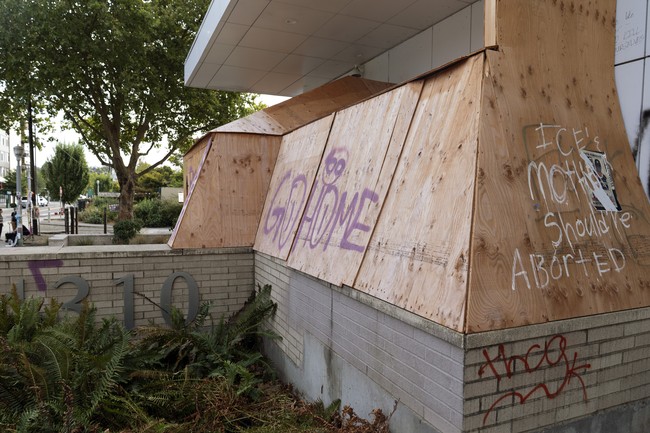
May Day protests rolled across major cities with a mix of organized marches, anti-ICE and anti-establishment messaging, clashes with law enforcement, and a few moments that bordered on surreal. This piece walks through highlights from Los Angeles, New York, Chicago, Portland, and other scenes, noting arrests, chants, and odd moments captured on video while preserving the raw footage markers embedded here.
Friday’s May Day gatherings were billed by organizers as a day of refusal — no work, no school, no shopping — but turnout felt patchy compared with past years. In many places the usual slogans and demands showed up, but the energy often looked fragmented, with smaller, highly visible groups drawing most of the attention. Los Angeles hosted one of the larger events with a strong focus on anti-ICE demands and calls for immediate citizenship.
Protesters marched toward city hall before concentrating around the Metro Detention Center, the federal target of much of their ire, and confrontations escalated as federal agents intervened. Video clips from the scene captured heated exchanges and a noticeable law enforcement response that broke up parts of the crowd.
The crowd around the detention center pressed demands like “citizenship now,” and at times the rhetoric turned loud and aggressive as people tried to make a visible stand. Law enforcement made targeted moves, and some demonstrators found themselves detained as officials moved in. The situation intensified when federal agents engaged certain demonstrators directly.
Multiple May Day protesters were arrested Friday night after they were met with a fleet of Los Angeles Police Department cruisers outside the Metropolitan Detention Center in downtown Los Angeles, police told KTLA.
According to the LAPD, the group was temporarily blocking traffic in the area. Visuals from Sky5 showed more than 30 LAPD cruisers responded, temporarily shutting down traffic on Alameda Street between Eliso and Temple streets.
In New York City the visuals ranged from performative slogans to attempts at direct action against financial institutions, with signs urging people to “eat the rich” and declaring a posture of being “ungovernable.” Protesters tried to chain themselves to the front of the New York Stock Exchange, a tactic that predictably invited a swift police response and arrests.
The standoff at the stock exchange did not end in their favor, and officers quickly moved to detain those attempting to physically attach themselves to the building, underlining how risky such actions can be. New York Police Department units made multiple arrests, moving through the crowd and clearing access points with demonstrable force.
The NYPD’s approach ensured detained protesters were transported away from the scene, which dampened momentum for that portion of the day’s actions. Visuals show officers moving people into police vehicles and dispersing remaining clusters, a familiar outcome when protests target major, protected infrastructure.
Chicago saw union-related tensions bubble into public view, with local reporting noting teachers’ groups pushing for the day off and a city response that labeled participation a civic action. The city organized some logistical support, including buses to bring attendees to rallies at Union Park, where a mix of organizations converged for speeches and demonstrations.
At the park there were multiple panels and placards, and the scene resembled a classic rally more than a spontaneous uprising, reflecting how unions and coalitions often shape May Day events in large cities. The interplay between organized labor, activist groups, and municipal officials produced a measured yet energized atmosphere.
Some students and teachers traveled on provided buses to Union Park to join the assemblies, highlighting the way institutional participation can alter the tenor of street-level protest. The presence of formal organizations brought structure but also criticism from those who want direct, unmediated action.
Portland hosted both a downtown march and a separate contingent at an ICE facility, where multiple arrests were reported during attempts to confront or document federal operations. Chants directed at law enforcement echoed around the facility, and on-the-ground reporting captured protesters voicing explicit hostility toward police.
Scenes from Portland included the typical mix of determined activists and opportunistic agitators, with arrests serving to highlight the boundary between protest and criminal action in the eyes of authorities. The local media and independent reporters circulated footage that showed both peaceful marchers and those who pushed into confrontational territory.
One standout clip from the day took on a viral life of its own: a man carrying a Party for Socialism and Liberation sign who turned out to be comically unfamiliar with the ideology he was promoting. The moment underscored how some participants show up for the spectacle rather than the political content, offering viewers an absurd counterpoint to the more serious confrontations.
Across cities the mix of chants, arrests, and theatrical gestures made for a chaotic mosaic that stretched coast to coast, with law enforcement responses varying by jurisdiction and the degree of disruption. The footage and eyewitness accounts embedded here provide the raw images and moments that defined a May Day many will remember for its clashes and peculiar highlights.
Add comment