
This article examines President Trump’s executive order moving marijuana from Schedule I to Schedule III, explains why that matters for medical research and federalism, highlights conservative voices both for and against the change, and outlines the risks that require vigilant enforcement and policy follow-through.
President Trump signed an executive order directing federal agencies to reclassify marijuana from Schedule I to Schedule III under the Controlled Substances Act. That decision recognizes possible medical uses and groups marijuana with substances that carry moderate dependence risks. The administration says the change is about expanding research access, not endorsing recreational legalization nationwide.
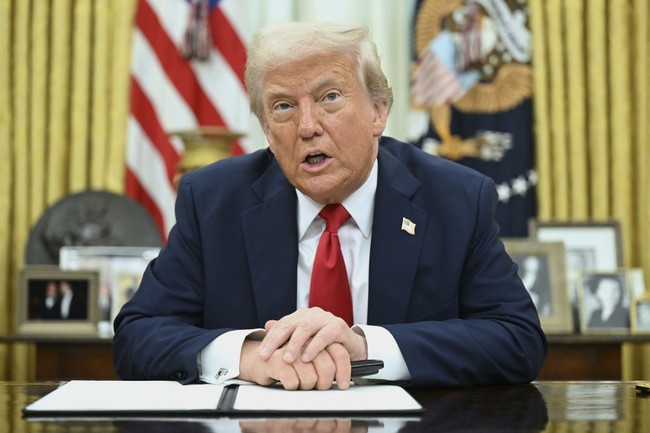
Trump made the research case in the Oval Office, saying, “This reclassification order will make it far easier to conduct marijuana-related medical research,” and describing the move as having a “tremendously positive impact” on studying treatments for chronic conditions. Shifting a substance off Schedule I removes a legal barrier that has long frustrated scientists and clinicians. For conservatives who value evidence-based policy, easing needless regulatory choke points can be a practical win.
Historically, Schedule I status lumped marijuana with drugs like heroin and LSD, a categorization that many medical researchers have argued was never justified by the evidence. That legal posture made institutional review boards, grant agencies, and universities reluctant to take on cannabis studies. Reclassifying to Schedule III aligns federal law more closely with what some states have already permitted and allows a clearer path for legitimate clinical trials and provider guidance.
From a Republican perspective, this move can be framed as returning power to states and to doctors rather than to bureaucrats in Washington. States retain their authority to regulate or restrict recreational use, and medical programs will keep their separate oversight. The federal adjustment simply removes an artificial obstacle to research and to medical practitioners trying to help patients with real needs.
The human stories behind these policy debates are powerful. Conservative commentator Michelle Malkin once wrote about her daughter’s life-saving experience with CBD oil in a 2017 op-ed titled “Keep Your Hands Off My Daughter’s Marijuana.” Malkin described how traditional pharmaceuticals failed her daughter and how cannabinoids offered relief when physicians recommended trying them. That kind of parental urgency shapes why many conservatives favor medical flexibility while opposing casual normalization.
Still, voices on the right raised legitimate worries. Some Republican lawmakers warned that reclassification could send mixed messages to youth and potentially fuel addiction trends or black-market activity. Those concerns are not political theater; adolescent brain development, public-safety impacts, and impaired-driving data are real policy considerations that must factor into any federal adjustment. The challenge is balancing medical access with sensible safeguards.
Practical enforcement matters. A Schedule III status should not be a signal to relax efforts against trafficking, cartel activity, or illegal distribution channels that victimize communities. The administration has taken a hard line on organized trafficking elsewhere, and conservatives expect the same rigor here. Effective policy requires coupling research-friendly reforms with continued investment in law enforcement and prevention programs targeted at abuse and illicit supply chains.
Fiscal and regulatory effects deserve attention too. Rescheduling can reduce undue tax burdens on medical providers and ease banking access for legitimate businesses, improving transparency and compliance. At the same time, policymakers should avoid creating loopholes that allow diversion into recreational markets or let large, unaccountable interests exploit regulatory shifts. Conservative oversight means watching for unintended consequences and ensuring markets serve patients and communities, not just profit motives.
This reclassification is a pragmatic step, not the last word. It opens doors for better science and eases constraints on families seeking treatment options, but it also raises questions about youth exposure, road safety, and the black market. Republicans should treat the order as a conditional move that requires monitoring, stringent enforcement against abuse, and continued deference to state decision-making on recreational policy.



Many are complaining over this when they fail to research it! States have had the right to get a waiver and reduce the schedule in their state! North Carolina long ago reduce it to schedule 1!
Correction, schedule 6!