
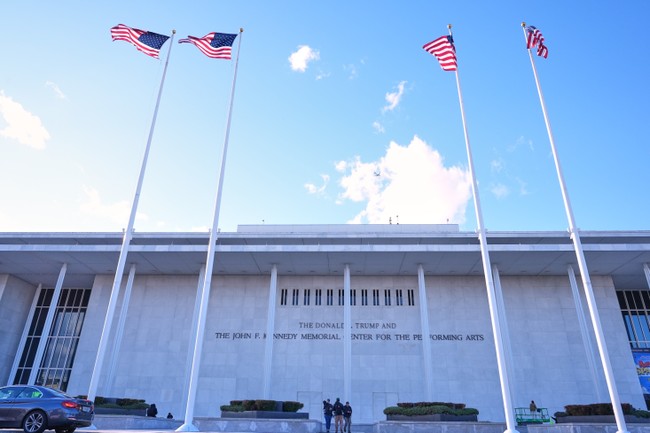
The Kennedy Center board voted to add President Donald Trump’s name after his role in helping restore the venue, and the reaction from many on the left was dramatic and overwrought; this piece walks through those reactions, highlights Ric Grenell’s blunt rebuttals, and points out the practical realities about the Center’s public status and condition.
The board’s decision to attach President Trump’s name to the Kennedy Center followed his involvement in supporting the venue’s restoration. That move set off predictable outrage from many Democrats and media figures who treated a pragmatic preservation effort like a grave moral crime. The frenzy quickly became more about symbolism than the actual work that saved a national cultural institution.
Some commentators reacted as if this one action erased everything they dislike about politics. One person claimed “democracy died today,” despite the fact that the U.S. is a constitutional republic and the naming choice came from a board decision tied to tangible repairs. The emotional response underscored how much of modern political debate is theater rather than inquiry into facts.
Critics have turned a practical naming decision into a performative display of outrage, and many conservatives are watching the meltdown with bemused satisfaction. The White House ballroom debate showed how the left can weaponize symbolism, and this naming fight is the latest example. What matters here is that the nation retains use of the space and that the building is no longer falling apart.
Washington residents and national figures alike chimed in, some doubling down on dramatic rhetoric and others hiding from feedback. Jim Acosta, for example, landed himself in the middle of mockery while reporting from what he framed as the scene of an affront. He even shut off his comments on X to avoid the blowback, which tells you everything about how confident he was in his take.
Ric Grenell, who leads the Kennedy Center, did not hesitate to push back on critics and remind people of the Center’s dire condition and financial problems before Trump’s involvement. His tone has been blunt and occasionally mocking, because a lot of the criticism is hypocritical and uninformed. Grenell pointed out that the building needed repairs and stable finances, and that work was finally being done.
The White House deputy press secretary observed that some media outlets were eager to create distractions from other developments, and that dynamic clearly played out here. When reporters choose outrage over reporting the facts, public trust suffers and the story becomes about reactions rather than results. That approach benefits nobody who actually cares about the preservation of national cultural institutions.
Members of the Kennedy family expressed upset, with some feeling the name change disrespected their legacy. Maria Shriver, for example, reacted by saying the venue had been named after her uncle, and that sentiment resonated emotionally for her and some supporters. Yet Grenell responded by explaining the practical reality: the institution needed help and the historically routine stewardship from certain parties had fallen short.
Kerry Kennedy went further, threatening to remove letters spelling the new name with a pickax after the president’s term, and then closing off public comment to avoid pushback. That kind of performative threat sounds dramatic until you remember the Center is a public institution, not family property. The law and public governance, not personal vendettas, determine what happens to public names and buildings.
Critics seem to forget that the Kennedy Center functions for the public, and the name on its facade does not change that reality. If people truly cared about the arts and preservation, they would have shown up earlier with solutions instead of outrage. Grenell’s insistence on credit where credit is due highlights that saving the building required intervention and leadership, not just protest.
There has been a lot of drama and not much focus on the practical matters that made the naming possible, like finances, repairs, and long-term access for the public. The arguments about symbolism are loud, but the quieter work of stabilizing the Center’s future is what actually matters for artists and audiences. Public institutions survive on stewardship and resources, not on virtue signaling.
The debate exposes how much modern political disputes center on image and grievance instead of concrete outcomes. When institutions need help, the side willing to roll up its sleeves and secure the funding should get credit for doing the job. That reality won’t satisfy everyone, but it does protect the music, theater, and performances that Americans of all political stripes enjoy.



Add comment