
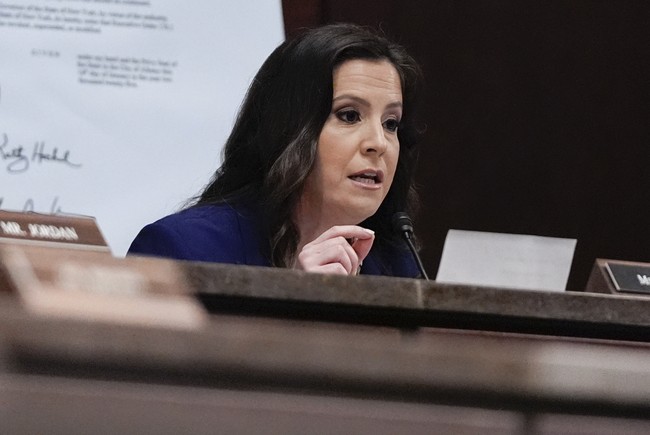
This article reviews the sudden shift in New York’s Republican gubernatorial race after Rep. Elise Stefanik exited the contest, explains why Nassau County Executive Bruce Blakeman now looks like the likely GOP nominee, and assesses his strengths, vulnerabilities, and the critical role fundraising will play in his path to challenge Gov. Kathy Hochul.
Yesterday’s development reshuffles the Republican landscape in New York and hands the nomination fight to Bruce Blakeman by default. Elise Stefanik’s surprise withdrawal removes a high-profile, well-funded contender and hands local and state leaders a clear choice. The decision reshapes donor calculus and forces a rethink of campaign strategy across the state.
There are clear trade-offs from Stefanik’s exit. She brought name recognition, youth, and a national donor network that could have injected cash through super PACs, but her primary fight with Blakeman would have consumed energy and resources. Losing that statewide figure leaves Republicans with a candidate who has strong local credibility but lacks the same national fundraising reach.
Bruce Blakeman’s profile is built on executive experience and a recent string of wins in Nassau County that moved him from perennial candidate to proven administrator. He beat the incumbent there in 2021 and reaffirmed that mandate with a second term in 2025, winning 56 percent of the vote in tough political circumstances. Those results matter because they show he can win in a diverse suburban swing area that Democrats court aggressively.
https://x.com/EliseStefanik/status/2002121519342793163?ref_src=twsrc%5Etfw%7Ctwcamp%5Etweetembed%7Ctwterm%5E2002121519342793163%7Ctwgr%5Ea4320db2a7bb30e5c75f938ee66955fed90f2d10%7Ctwcon%5Es1_&ref_url=https%3A%2F%2Fhotair.com%2Fjohn-s-2%2F2025%2F12%2F19%2Frep-stefanik-suspends-campaign-will-not-run-for-another-term-in-congress-n3810108
Blakeman’s record in Nassau reads like a playbook Republican voters appreciate: fiscal discipline, tax restraint, and a focus on public safety that coincided with falling crime rates. He also took positions designed to appeal to socially conservative and moderate voters alike, including actions on athletics policies and public safety measures on campuses. Those moves helped him stitch together a broader coalition than many expected.
His appeal to independents and disaffected Democrats could be decisive if he can communicate it statewide, but that requires organization and money. New York is heavily Democratic in urban centers, particularly New York City, so Blakeman’s path depends on flipping the swing counties of Long Island and expanding GOP margins upstate. Nassau is central to that calculus because of its size and political mix.
Democrats will predictably try to nationalize the race by tying every Republican to the president, but that strategy has limits in New York suburbs where voters care about taxes, public safety, and local services. Blakeman is positioned to emphasize those bread-and-butter issues rather than national culture fights, which could blunt Democratic attacks. Still, a statewide campaign is an entirely different scale from countywide fights.
Blakeman’s political identity is more moderate on some social issues and distinctly tough on law and order and immigration enforcement, a combination that can play well with swing voters. He has signaled he will keep fiscal conservatism, lower taxes, and opposition to sanctuary policies at the center of his message. His willingness to take on controversial local issues has energized parts of the electorate that feel left behind by Albany politics.
There are political advantages in his background as a Jewish American in a state where roughly 10 percent of the population is Jewish, a community that has shifted in recent cycles. Suburban voters who care about safety, education, and affordability could be open to a pragmatic Republican who promises competent governance over ideological purity. Those dynamics create an opening, but converting them across the state requires a robust campaign structure.
One of the most important open questions is whether major donors will rally behind Blakeman quickly and in sufficient numbers. He performed well fundraising as county executive, but statewide viability depends on large checks and independent expenditures from national and local supporters. Without serious fundraising, organizational investment, and the capacity to reach voters across five boroughs and dozens of counties, even a strong message won’t travel.
The political environment also offers opportunities. Incumbent Gov. Kathy Hochul is vulnerable in several respects, and internal Democratic divisions leave space if Republicans can present a clear alternative. The presence of radical elements within the Democratic coalition will be emphasized by the GOP, but voters will ultimately decide based on who offers competence on taxes, crime, and cost of living.
Blakeman’s campaign promises are straightforward and focused, sounding themes voters understand: put local interests first, lower bills, and restore safe streets and neighborhoods. He summed up his case bluntly in a campaign statement: “Our state is struggling under policies that have driven up taxes, utility bills, and crime. It’s time for a proven leader who will Put New York First. New Yorkers deserve leadership that works — not more empty promises. I’m ready to take on Kathy Hochul and get results for our families.”
At the end of the day, the most immediate task for Blakeman is building a statewide operation that can translate Nassau success into a competitive general election push. That means fundraising, recruiting credible surrogates to sell his message in the suburbs and upstate, and maintaining discipline on issues that win over independents. If he secures financial backing and sustains a focused message, this race could be surprisingly competitive.
Add comment