
President Trump delivered a forceful address that accused major media outlets of refusing to report on election vulnerabilities and foreign interference, and he directly called out networks for snubbing his speech. The speech argued our voting systems are exposed to actors like China, Russia, Iran, and North Korea, and blamed legacy media for covering up problems and protecting the Radical Left. He also suggested the FCC should consider revoking broadcast licenses for outlets that refuse to carry crucial national discussion. The reaction from networks, pundits, and conservative outlets has been immediate and heated.
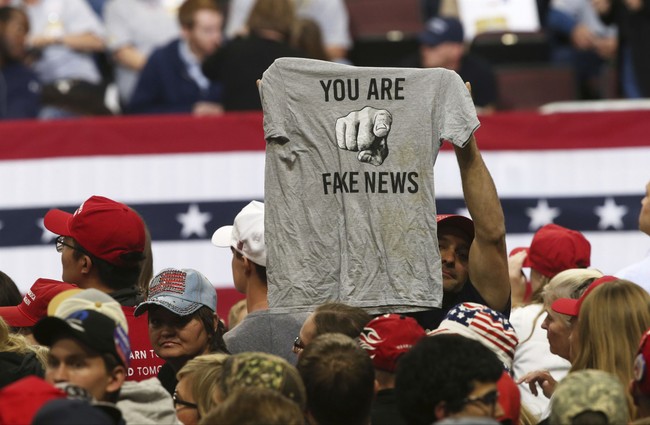
Trump’s criticism of the media was sharp and unapologetic, aimed at institutions he says have abandoned impartial reporting. From his perspective, mainstream outlets have morphed into political actors rather than neutral journalists, shaping narratives instead of seeking truth. That shift, he and many conservatives argue, has real consequences for trust in elections and public institutions. The core charge is simple: when media decides what to air, it can decide what the public knows.
Two major networks publicly declined to air the address before it began, a move that crystallized the broader complaint about media gatekeeping. Conservatives see that as more than editorial discretion; they view it as active suppression of debate on election integrity. If networks choose to block a topic because it challenges their preferred narrative, the argument goes, they are abandoning their responsibility to the public airwaves. That’s why talk of license revocation surfaced as a provocative but pointed response.
The speech also raised alarms about foreign actors targeting voter data and infrastructure, claiming adversaries have already tried to interfere. Whether one accepts every specific allegation, the broader point is that election systems need scrutiny and resilience. Conservatives emphasize transparency and rigorous audits as common-sense steps to restore confidence. The perception that media outlets minimize or ignore those risks only deepens suspicion among voters.
Trump’s takedown included a line that many on the right quickly repeated back at media rooms: that major networks are “part of the plot” to keep fraud hidden and protect political allies. That language is fierce by design; it frames the conflict as an existential fight over whether Americans will get honest elections and honest reporting. For Republicans watching, the moment reinforced long-standing grievances about media bias and the cultural power those outlets wield. The speech aimed to convert those grievances into political momentum and policy proposals.
The president called out specific figures on cable networks for what he described as performative outrage and ideological shielding of the status quo. Conservatives argue this isn’t mere criticism of tone but a critique of how decisions about coverage shape outcomes. When hosts and anchors decide what counts as news, they are effectively shaping the choices voters make. That’s why many on the right demand accountability, not just apologies.
https://x.com/RapidResponse47/status/2077928512212586957
At one point the address suggested severe remedies for networks that refuse to broadcast crucial civic debates, including the revocation of broadcast licenses. That proposal is controversial and legal experts will debate its practicality, but Republicans defending the move say it’s about fairness and reciprocity. If broadcasters use public airwaves, the argument goes, they owe the public balanced access to major national discussions. The idea resonates with voters who believe corporate media favors a particular political agenda.
The president’s remarks also highlighted how newer conservative platforms have stepped in to challenge the old media order, and he praised outlets that amplify alternative voices. From this view, media pluralism is a corrective: when mainstream broadcasters fail, independent conservative media fills the information gap. That competition reshapes attention and can blunt the influence of a few legacy gatekeepers. For many conservatives, it’s proof that the market of ideas still works when given a fair shot.
Critics will call the speech incendiary and accuse Trump of stoking division, but his supporters see a long-overdue confrontation with a powerful institution. The point being made is straightforward: media that refuses to cover certain topics narrows public debate and fuels distrust. Republicans framing the argument this way want both policy fixes and cultural pushback against what they see as entrenched bias. The debate over media obligations and election security is only going to intensify from here.
Whatever the legal or political outcome, the address has already reshaped talking points across conservative circles and forced media organizations to defend their editorial choices. For many on the right, this is less about a single speech and more about correcting a systemic imbalance that’s persisted for decades. The confrontation will keep driving coverage, commentary, and calls for reforms aimed at protecting election integrity and restoring trust in reporting. The conversation is now firmly in the public square and unlikely to fade quickly.
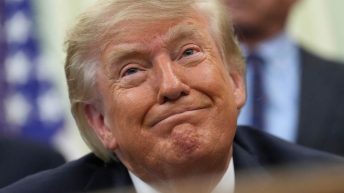


Crush those Enemy of the People Networks NOW! Pull their FCC Licenses and block them from any type of Public Broadcasting in America! Tell them to go to Communist China or to Hell their choice!
I don’t watch or pay attention to any of the Major Networks or Legacy Broadcast Media outlets anymore they are evil! And their local affiliates are also trash to me!
I careful search for and pick news worthy sources that aren’t biased propaganda outlets grinding any axes or are communists, but only ONLY sources that report the truth!