
Checklist: summarize the China-Trump phone call and planned visits; outline Taiwan and Japan tensions; assess U.S.-China-Japan strategic stakes; note geopolitical risks and demographic factors; preserve direct quotes and the embedded token.
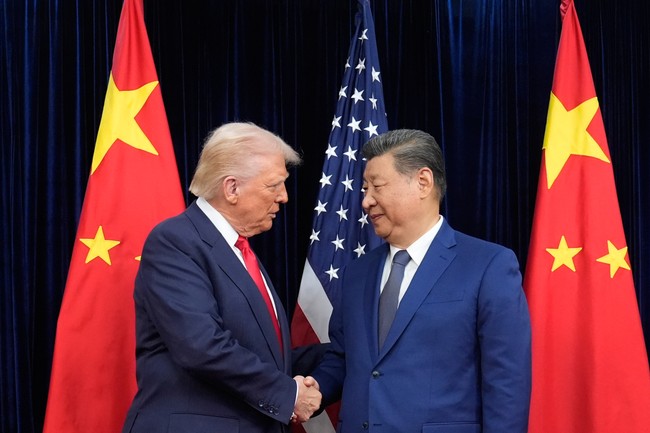
President Trump has accepted an invitation from Xi Jinping to visit Beijing in April, and the two leaders plan further engagement in 2026 with a reciprocal U.S. visit. The announcement followed a phone call covering a wide range of topics, from Taiwan to trade items like soybeans, and it came after their recent meeting in Busan. This diplomatic back-and-forth is unfolding against heightened tensions in the western Pacific, where Japan and China are increasingly at odds. Those dynamics put the United States in a delicate spot as it balances deterrence with diplomacy.
The immediate spark is Taiwan. Beijing continues to insist Taiwan falls under the Chinese Communist Party’s claim, while Tokyo has signaled it might support Taiwan if China ever uses force. Japan’s new leadership has been clear that the post-World War II order and regional stability matter, and that alignment with allies could extend to defending democratic partners. That posture helps explain China’s urgency to manage tensions through direct channels with U.S. leadership.
The White House framed the phone call as substantive and broad, with President Trump describing the relationship with the other major power as strong. The formal statement read: “President Donald Trump said he has accepted an invitation from Chinese leader Xi Jinping to visit Beijing in April and that he reciprocated by inviting Xi for a state visit to the U.S. later next year.” The exchange covered Ukraine, fentanyl, and trade, adding multiple layers to what might otherwise look like a narrow regional dispute. Keeping lines of communication open reduces the risk of miscalculation when military postures are being adjusted across the Pacific.
President Donald Trump said he has accepted an invitation from Chinese leader Xi Jinping to visit Beijing in April and that he reciprocated by inviting Xi for a state visit to the U.S. later next year.
Trump made the announcement a few hours after he spoke with Xi on the phone on Monday morning, in which he said the two men discussed issues including Ukraine, fentanyl, and soybeans. The phone call came nearly one month after the two men met in person in the South Korean city of Busan.
“Our relationship with China is extremely strong!” Trump said.
Beijing, which announced the phone call first, said nothing about the state visits but said that the two leaders discussed trade, Taiwan, and Ukraine.
Observers noted an important detail: Chinese state accounts did not say the call was returned “upon request,” which analysts read as an indication Beijing initiated the contact. One expert suggested China may be worried about the intensifying dispute with Japan over Taiwan and the consequences for the regional order. If true, that underscores Beijing’s interest in de-escalating through diplomacy while keeping pressure on the island and its neighbors.
From a Republican perspective, firm diplomacy backed by deterrence is the smart path. The United States must continue to hold China accountable for things like fentanyl precursor flows and intellectual property theft while also maintaining credible defense ties with allies. There is no contradiction between talking and standing strong; talking helps prevent missteps and strategic surprises that could spiral into conflict.
Japan sits squarely on the U.S. side as one of its most capable partners in the Pacific, and its recent statements reflect a willingness to take a more assertive defense stance. Japan, China, and Russia all face long-term demographic challenges that could reshape each nation’s economic and military prospects. Those demographic pressures add urgency to every strategic calculation, since younger, shrinking workforces will influence defense budgets and technological investments over the next decade.
Two of the three major players in this dispute already possess nuclear weapons; Japan retains the industrial base to produce them rapidly if it ever chose to do so. That potential alone changes regional deterrence calculations and raises the stakes for responsible statecraft. Quick shifts in military posture or misinterpreted moves could provoke responses nobody wants, so predictability and direct lines between heads of state matter more than ever.
Accepting Xi’s invite and offering a future visit to the United States is a pragmatic move that keeps communication channels open at the highest level. It also gives the U.S. leverage to press on topics critical to national security, from fentanyl and cyber threats to trade and maritime stability. As long as talks are paired with clear defense commitments to allies, diplomacy can reduce the chance of military escalation while protecting American interests.


Add comment