
Checklist: explain the push to end clock changes; describe the House committee action; present President Trump’s statement verbatim; note bipartisan support and Senate companion; outline the practical effects and competing arguments about evenings versus mornings.
Americans are tired of resetting clocks twice a year, and that frustration has moved into the political spotlight. A measure to make Daylight Saving Time permanent cleared a key procedural step in the House Energy and Commerce Committee, and President Trump publicly backed the effort. This article lays out what happened, why Republicans are backing it, and what the likely consequences would be if the Sunshine Protection Act becomes law.
The twice-yearly ritual of “spring forward” and “fall back” is a practical annoyance for families, schools, and businesses that must coordinate clocks and schedules. Beyond lost minutes of sleep, there are recurring costs for institutions that maintain multiple public clocks or need technical adjustments. Conservatives arguing for stability see it as a small change that delivers a visible, popular benefit without expanding government power or spending big new sums.
Last week a bill that would make Daylight Saving Time permanent was advanced through the House Energy and Commerce Committee with overwhelming support. The committee vote reflected a rare moment of unity, and Republican lawmakers framed the move as common-sense relief for citizens and municipal budgets. Lawmakers point out that no state would be forced to change how it observes time, leaving local choices intact.
President Trump weighed in with enthusiasm for making Daylight Saving Time permanent, tying the issue to everyday costs and the appeal of longer evenings. He posted his thoughts directly where many of his supporters follow him and highlighted the committee’s strong vote as a victory for practical government. His language emphasized fiscal prudence and a political upside for Republicans who back a popular fix.
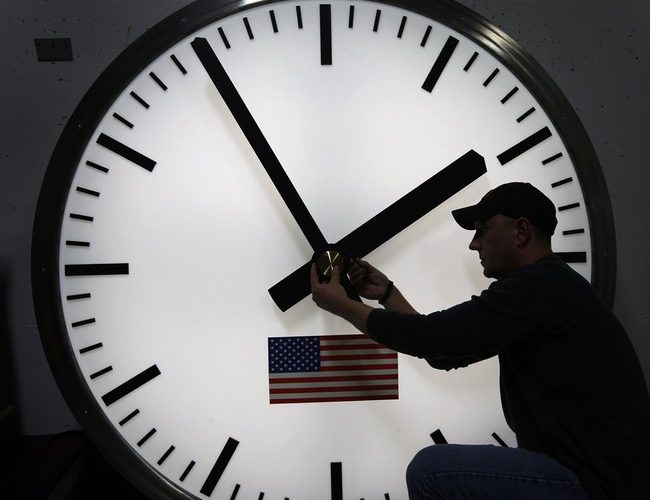
Big Vote today (48-1!) in the Energy and Commerce Committee on a Bill including The Sunshine Protection Act, which will be making Daylight Saving Time Permanent! This is so important in that Hundreds of Millions of Dollars are spent every year by people, Cities, and States, being forced to change their Clocks. Many of these Clocks are located in Towers, and the cost of renting, or using, Heavy Equipment to do this twice a year is prohibitive!…It’s time that people can stop worrying about the ‘Clock,’ not to mention all of the work and money that is spent on this ridiculous, twice yearly production. It will also be a very nice WIN for the Republican Party. Take it! We are going with the far more popular alternative, Saving Daylight, which gives you a longer, brighter Day — And who can be against that — This is an easy one!
Republican Congressman Vern Buchanan explained the committee maneuver that put the Sunshine Protection Act into the legislative stream, describing how the provision was folded into a larger vehicle to get prompt consideration. That procedural move is the kind of pragmatic lawmaking conservatives prefer when advancing clear, limited reforms. The aim was to create a path to the House floor without endless separate hearings or new bureaucratic layers.
The Sunshine Protection Act has drawn bipartisan support in both chambers, a sign that the issue crosses normal political divides. In the House dozens of members signed on as cosponsors, and the Senate has its own companion with support from both parties. Importantly, advocates stress that the bill preserves state flexibility, so local governments and communities can opt out or make their own arrangements if they choose.
Opponents of permanent Daylight Saving Time point to concerns about darker mornings during certain times of year, especially for children heading to school. Public health experts and sleep researchers have weighed in separately in the past, sometimes favoring permanent Standard Time for circadian reasons and earlier sunlit mornings. Those arguments have resonance, and they force a trade-off between brighter evenings and potentially safer, brighter mornings.
Practical questions remain about how the change would play out across sectors like transportation, broadcasting, and agriculture, which are attuned to precise timing. Still, supporters argue the net benefits are tangible: more daylight after work for families, extended hours for small businesses, and simpler timekeeping for institutions. Republicans frame the proposal as low-cost common-sense reform rather than an expansive policy shift.
Whether Congress completes the job is still uncertain, but the momentum in committee and the president’s endorsement give the bill a clear runway heading into future votes. If passed, the change would be felt in daily routines across much of the country and could be touted as a straightforward victory for voters fed up with twice-yearly clock changes. As President Trump often says, we’ll see what happens.



Add comment