
The SAFE Act, backed by Republicans and now supported by the Teamsters, targets “chameleon carriers”—trucking operations that dodge enforcement by changing names and registrations—and aims to strengthen enforcement, improve federal-state coordination, and protect road safety and honest drivers.
After a deadly truck crash in Florida in August 2025, congressional Republicans zeroed in on a recurring problem in the trucking world: carriers that slip through regulatory cracks by rebranding and re-registering. That crash reignited debates about border security and who is behind the wheel of big rigs on our highways. Lawmakers framed the issue as both a public-safety problem and a fairness issue for licensed, law-abiding drivers who compete against operators breaking the rules.
The International Brotherhood of Teamsters has announced support for the Safety and Accountability in Freight Enforcement (SAFE) Act, a bill introduced by Rep. Harriet Hageman. The legislation would be aimed at dismantling the business model of so-called chameleon carriers—companies that reopen under new names and DOT numbers after being shut down. The basic pitch is straightforward: if companies rack up violations or lose their license, they should not be able to slip back into operation under a different identity.
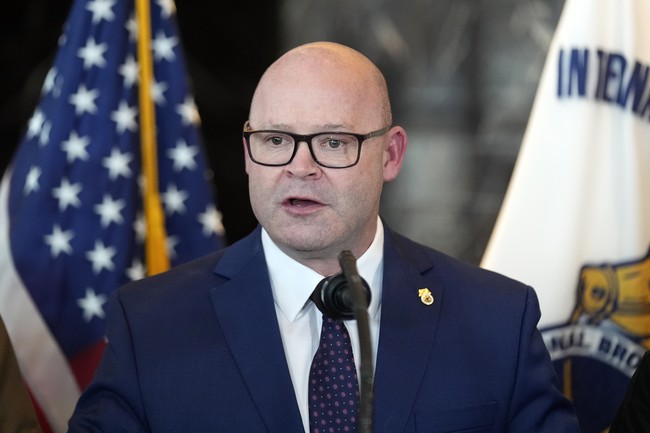
Teamsters’ General President Sean O’Brien explained why his union threw its weight behind the measure, calling chameleon carriers an industry-wide menace. His statement accused those operators of weakening the trucking sector and endangering everyone who uses the roads. Union backing gives the bill an unusual coalition, pairing conservative lawmakers with labor leaders who want better enforcement and steadier work for their members.
“Chameleon carriers have gone unchecked for decades, harming and weakening America’s trucking industry. These unscrupulous operators jeopardize the safety of everyone on our roadways and threaten the livelihoods of truck drivers who follow the rules. The Teamsters commend Rep. Hageman for taking an aggressive stance to rein in the worst of the worst in the trucking industry, and we strongly endorse the SAFE Act.”
At the heart of the SAFE Act is a focus on technology and cooperation: proponents want automated tools to flag suspicious registration activity and better information-sharing between federal and state agencies. The bill also calls for a nationwide study and human review steps intended to preserve due process while improving detection. Supporters argue those steps are necessary to stop operators who exploit regulatory gaps and repeatedly resurface with the same equipment and crew under new paperwork.
Rep. Hageman has been blunt about the intent behind the bill, saying the change targets companies that “game the system, ignore the law, and put American families at risk.” Her message stresses a simple premise: enforcement should mean something, and the ability to evade penalties by renaming a company undermines both safety and the rule of law. That framing appeals to conservatives focused on law, order, and accountability, and to workers who want a level playing field.
The Federal Motor Carrier Safety Administration (FMCSA) has already taken action in recent months, declaring several carriers out of service after investigations connected them to dangerous practices. Regulators say they shut down a number of operators tied to fatal crashes, showing that stronger enforcement can follow from regulatory attention and pressure. Those moves helped fuel momentum behind legislative proposals aimed at codifying systems to detect repeat offenders.
Industry groups beyond the Teamsters have signaled support as well, viewing the bill as a pragmatic way to protect safety and commerce. Backers argue the measure protects consumers, honest carriers, and professional truckers while raising the costs for unscrupulous operators that skirt rules to undercut competitors. The alliance of labor and industry advocates makes the SAFE Act politically interesting because it crosses usual partisan lines on a practical enforcement fix.
Critics of the status quo say the problem has been allowed to grow amid lax enforcement and unclear incentives for states and the federal government to coordinate. The proposed automation and coordination fixes are pitched as commonsense answers that preserve due process while reducing the chance that dangerous operators will slip back into service. For Republicans, the bill offers a chance to address safety and border-related concerns at once while showing results on a tangible industry problem.
The debate is likely to focus on implementation details: how automation is used, what thresholds trigger investigations, and how to balance speed with careful review. Lawmakers will need to weigh privacy and administrative complexity against the promised gains in road safety and fair competition. What’s clear is that a rare partnership between conservative lawmakers and the Teamsters has pushed the notion of clamping down on chameleon carriers from a niche regulatory fix into a broader political issue with real consequences for trucking and public safety.


Add comment