
This article examines an underused federal option that can keep airport security moving during shutdowns, explains how the program operates, outlines the objections from unions and industry groups, and notes the political stakes in debates about TSA privatization and guaranteed pay during funding gaps.
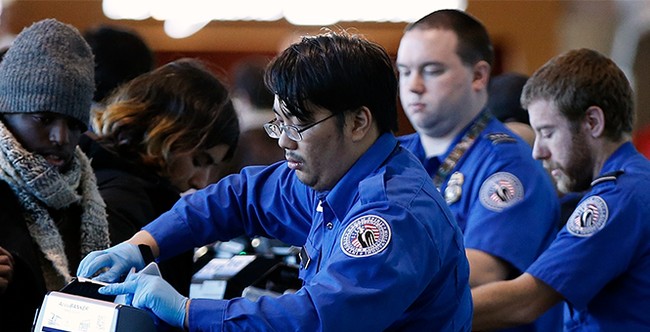
Long TSA lines during recent shutdowns have been a raw reminder that Washington’s fights spill into everyday life at airports, and conservatives should care about practical fixes that protect travelers and commerce. The idea is simple: use federal contracts to hire private companies to staff checkpoints while TSA retains oversight. That setup can insulate frontline workers from pay stoppages that result when Congress fails to fund departments.
Under the existing program, airports contract with private screening firms chosen with federal involvement, and those workers carry out the hands-on tasks of checkpoints while TSA keeps procedural authority. Private screeners undergo the same background checks and medical standards as federal employees, so security vetting is not shortchanged. Because these contractors are paid through prearranged federal contracts, their compensation can continue even when appropriations lapse.
San Francisco International Airport has been one of the larger adopters and highlighted the continuity benefit plainly. Doug Yakel said, “The money’s already been allocated, the payments have already been made, and that continues without interruption. That is a very nice place to be.” That stability matters when travelers face waits of several hours and airlines see disrupted schedules hit the economy.
Union leaders, understandably protective of their members, argue privatization risks eroding job protections, pay, and benefits for screeners who currently enjoy federal employment safeguards. The American Federation of Government Employees warns that private companies chasing efficiencies could cut corners on training or staffing, creating variation in quality between airports. Those concerns deserve a hearing, but they should not be the automatic reason to reject solutions that shield travelers and operations from shutdown fallout.
Industry groups representing airlines, airports, and travel interests push a different approach: bind Congress to guarantee pay for TSA workers during funding gaps so essential services do not stumble. Their argument rests on preventing future shutdown pain with a statutory fix that treats airport security as critical infrastructure that cannot be hostage to budget brinkmanship. That proposal appeals to common-sense conservatives who want continuity without wholesale upheaval.
There are practical trade-offs to weigh. Privatized screening under federal contract can deliver faster checkpoints and stable operation during shutdowns, but it can also mean the public sector loses some leverage over pay scales and uniformity across airports. A thoughtful conservative approach would consider limited, accountable privatization where it makes sense while also seeking legislative protections to ensure pay continuity for essential workers. Both paths can be pursued without surrendering oversight or standards.
The debate has drawn attention from lawmakers on both sides of the aisle, though proposals like the “Abolish TSA Act” introduced in 2025 by Sens. Mike Lee and Tommy Tuberville did not gain Senate traction. Meanwhile, TSA officials have said they are open to discussions about privatization, signaling potential room for bipartisan pilots or reforms. Policymakers should focus on solutions that reduce traveler pain and preserve security rather than ideological purity tests.
Critics also warn about uneven implementation: different contractors at different airports could produce a patchwork of practices and customer experiences that undermine trust. Those risks are solvable with rigorous contract terms, consistent federal oversight, and enforcement mechanisms that protect standards and worker training. Conservatives favor clear accountability in any contracting model, ensuring taxpayers get secure, efficient service without losing control of standards.
For now, the immediate reality is that TSA employees went without pay during the latest shutdown and travelers paid the price at checkpoints across the country. That outcome is politically damaging and operationally unacceptable, and it underscores the need for pragmatic fixes that both protect workers and keep airports functioning. Whether through targeted privatization with strict oversight or a statutory guarantee of pay, the goal should be the same: make sure national security screening does not depend on budget standoffs in Washington.
Opponents of privatization will keep pressing their case on labor grounds, and travel industry groups will continue pushing lawmakers to shield aviation workers from shutdowns. Policymakers who want results must weigh the evidence, design accountable models, and act to prevent future chaos at gates and security lines. The focus should be on dependable, secure screening that travelers can count on no matter what happens on Capitol Hill.


Add comment