
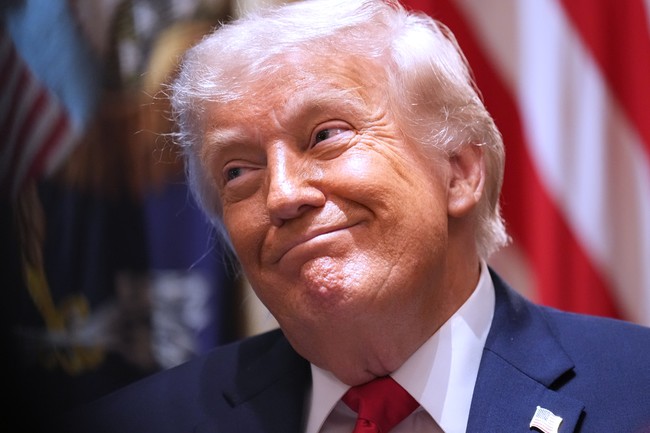
President Trump underwent a routine physical at Walter Reed before his June birthday, and his personal physician, Captain Sean P. Barbabella, issued a three-page memo declaring the president fit for duty. The report lists normal labs, ongoing preventive care, and guidance on exercise and weight loss while concluding the president is able to carry out his responsibilities. The memo and the public visibility of the president’s schedule have sparked predictable reactions from critics and praise from supporters. This piece walks through the physician’s findings, public reaction, and the broader context without repeating press rounds or dangling links.
Capt. Barbabella’s memo notes routine labs and screenings are within normal ranges and that current medications for cholesterol and cardiac maintenance include a low-dose aspirin. The physician recommended increased physical activity and continued weight loss while confirming that cancer screenings, cardiovascular risk assessment, and metabolic evaluations remain current. That mix of routine medical follow-up and lifestyle advice is typical for a patient of this age and activity level. The memo’s practical tone contrasts with some of the more theatrical reactions online.
https://x.com/WhiteHouse/status/2060723489292661124
Contained precisely in the memo was this summary: “The President remains up to date on all appropriate preventative screenings and immunizations. Routine cancer screenings, cardiovascular risk assessment, and metabolic evaluations are current and within recommended intervals. Preventative counseling was provided, including guidance on diet, recommentation to take a low-dose aspirin, increased physical activity, and continued weight loss.” Those exact words appear in the report and underline that the care delivered was preventive and routine. The physician’s language focuses on measurable health maintenance rather than dramatic pronouncements.
President Trump remains in excellent health, demonstrating strong cardiac, pulmonary, neurological, and overall physical function. His demanding daily schedule, including multiple high-level meetings, public engagements, and regular physical activity, continues to support his overall well-being. Cognitive and physical performance are excellent. He is fully fit to carry out all duties of the Commander-in-Chief and Head of State.
The memo’s closing assessment is direct and unambiguous, saying the president is “fully fit to carry out all duties of the Commander-in-Chief and Head of State.” That sort of concise conclusion is what you want from a routine evaluation: clarity about the ability to perform job functions. It leaves space for standard follow-up care while establishing the physician’s confidence in current functioning. Medical documentation like this is designed to be clear, not performative.
The public has a front-row seat to President Trump’s activities in a way that most administrations do not allow, and that visibility informs perceptions of fitness. From on-the-spot briefings at military bases to meetings and rallies, his schedule is heavily recorded and widely seen. That constant documentation feeds two opposing narratives: supporters see demonstrated energy and capability, while detractors look for inconsistencies or signs to criticize. Public exposure is a double-edged sword for any modern president.
Critics leapt on the memo with predictable skepticism, calling attention to timing or perceived omissions rather than the content. Some outlets framed the release as overdue or incomplete, using loaded language to question motives. Such responses are part of the modern media ecosystem, where interpretation often overshadows the clinical facts. Observers on both sides will continue to parse tone and timing instead of focusing solely on the medical findings.
Some online commentators treated the report and associated photos as fodder for mockery, and others accused the memo of being polished for public relations. Those reactions ignore the reality that HIPAA and standard medical practice constrain how much individual health detail clinicians can and should release. A routine physical for a head of state will rarely include exhaustive private medical data in a public memo, and the physician’s summary here follows that convention. The debate around disclosure often reflects political agendas more than medical norms.
Others who weighed in suggested further public steps, such as a live exam, though that remains a tactical decision for the White House. A public physical could satisfy some critics but also carries risks and logistics that advisers must weigh carefully. Whether that happens will depend on strategy, patient preference, and medical advice. For now the memo stands as the official medical snapshot.
Ultimately, the memo documents routine preventive care, current medications, and recommendations for lifestyle adjustments while stating that the president can perform his presidential duties. The conversation it sparked says as much about today’s polarized media environment as it does about clinical findings. Observers will continue to draw different conclusions from the same set of facts, and that is part of how public life is scrutinized in this era.

Add comment