
Joe Biden broke a promise not to pardon his son, Hunter Biden, and first lady Jill Biden has defended that decision in a new interview, blaming the political climate and former president Donald Trump for forcing their hand. This piece lays out the timeline, the claims Jill made, the legal realities around Hunter’s convictions, and the questions left standing after a broad, almost 11-year pardon that extended well beyond the specific charges. It examines the inconsistencies in her statements, the factual record about the charges Hunter faced, and why many find the pardons hard to accept. The goal is to present the details plainly so readers can see where the explanations line up with the public record.
Joe Biden had publicly said he would never pardon his son, but in December 2024 he issued a pardon for Hunter that covered the convictions he had already received and extended to conduct alleged over nearly 11 years. That pardon also included family members, a move that many critics called an abuse of the pardon power meant to shield relatives from legal scrutiny. The pardon followed high-profile criminal matters: the June 2024 gun conviction for lying on paperwork when he bought a revolver and the September 2024 tax-related guilty pleas. Those outcomes are part of the factual record and complicate the narrative that Hunter was simply a victim of prosecutorial overreach.
Joe Biden repeatedly said he wouldn’t pardon his son, who was convicted in June 2024 of three separate felony charges related to his purchase of a revolver in 2018 when he was battling a drug addiction, which he lied about on paperwork to obtain the gun. Hunter Biden also pleaded guilty to nine tax evasion charges in a separate case in September 2024.
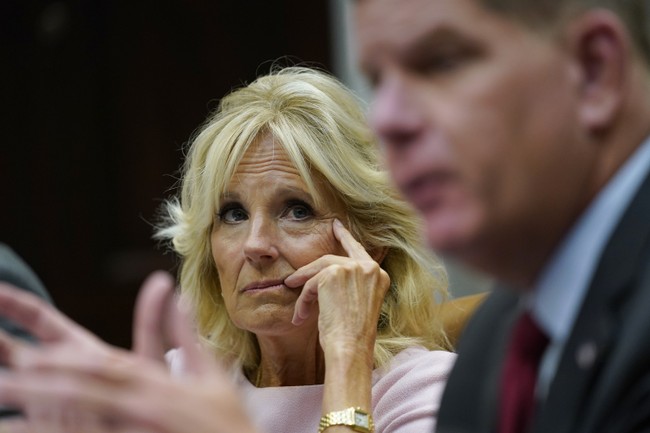
In an interview about her new book on “CBS News Sunday Morning,” Jill Biden defended the pardons and argued that the Justice Department’s approach changed when Trump became president. She said the family felt they had to act to prevent a politically motivated prosecution and protect other relatives who might be targeted. That explanation shifts responsibility away from the president who issued the pardons onto a political rival, turning the discussion into a debate about motive and fairness rather than the narrower question of whether issuing a blanket pardon for nearly a decade of alleged conduct was appropriate.
“But when Trump was elected, things changed. And we knew that he would target Hunter. And we just could not let our son go to jail on a charge that no one would go, I mean, no one has ever gone to jail for.”
That line is central to Jill Biden’s defense: the claim that the family acted in self-defense against a predictable escalation in prosecutions under a Trump administration. But critics note the Biden Justice Department itself pursued only specific gun and tax charges against Hunter, not the wider list of potential allegations flagged by other reporting. The public record shows a plea deal once on the table under the Biden DOJ that a judge later blocked, and it shows convictions that opponents argue the pardons directly erased without the usual political distance we expect in these situations.
https://x.com/CBSSunday/status/2060511787624075354
There are several unresolved issues the interview does not answer. Why a nearly 11-year pardon window was deemed necessary if prosecutors had limited their case to gun and tax matters? How does one reconcile the claim that “no one has ever gone to jail for” such conduct with a criminal conviction entered against Hunter? And if fear of political targeting was the motive, why include other family members in a last-minute sweep that looked like damage control more than an act of mercy?
Jill Biden also made personal claims about Joe’s condition around a debate performance, saying she had never seen him act like that and even feared he might be having a stroke. That anecdote is presented in her book and the interview as context for concern about the president’s fitness and behavior, but it does not clarify the legal calculus behind the pardons or the political optics they created. Her comments raised more questions about credibility for some observers and reinforced suspicions for others that the family was managing damage rather than answering accountability questions.
The bottom line is that the pardon and the surrounding explanations landed poorly with many across the political spectrum. A blanket, extended pardon handed out by a sitting president to his son and other relatives will always draw scrutiny, and Jill Biden’s insistence that the move was forced by fear of a rival administration does not erase the factual record of convictions and legal proceedings that preceded the decision. Those facts remain the foundation for continued debate over the proper use of presidential clemency and the standards to which public officials and their families should be held.


Add comment