
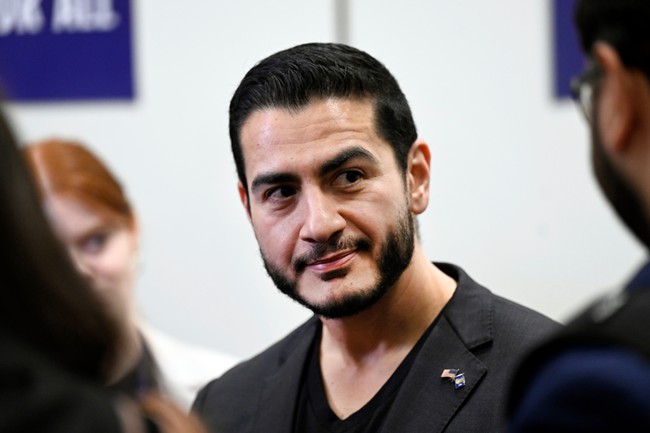
The Michigan Democratic Senate primary delivered a shock: Abdul El-Sayed edged out Rep. Haley Stevens to win the nomination, putting a far-left candidate in a purple state contest and creating a real opening for Republicans and disaffected Democrats worried about his record and rhetoric.
The result in Michigan is more than a primary victory; it’s a signal that the Democratic coalition can splinter when a nominee moves far left in a battleground state. Voters who backed more moderate Democrats showed they might not line up behind El-Sayed in November, and Republicans are already circling to exploit that division. The mood in Michigan could be decisive for control of the Senate, and the stakes are high.
El-Sayed’s victory was narrow and fraught for Democrats who fear his positions will alienate key voting groups. His history of criticism toward Israel and alignment with controversial voices has alarmed Jewish Democrats and other voters who usually tilt Democratic but prioritize security and support for allies. Those concerns could translate into crossover votes for the Republican nominee down the ballot.
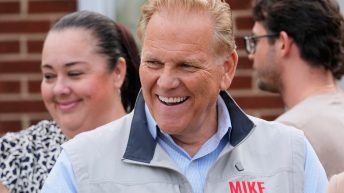
Republicans are positioning former congressman Mike Rogers, an Army veteran, as the sensible alternative who emphasizes security, law and order, and fiscal responsibility. Rogers’ team has hinted at a campaign focused on contrasting experience and patriotism with what they describe as El-Sayed’s radical agenda. The GOP believes that Michigan’s independent and moderate voters will respond to that contrast in a general election.
There are clear signs of resistance to El-Sayed within his own party’s base. Reports and conversations among Jewish Democrats indicate many are uncomfortable with his stance on Israel and are considering other options in November. That unease has prompted outreach from Republican-aligned groups and donors who see an opportunity to support Rogers as a pragmatic hedge against what they view as an extreme nominee.
Outside groups and think tanks are already flagging opportunities for Rogers to peel away Democrats who backed other primary candidates. Data referenced by analysts suggests a meaningful portion of Stevens supporters may not transfer their votes to El-Sayed, opening a practical path for a Republican pickup if the campaign can execute. That vulnerability is rare in modern Senate contests and worth watching closely.
Rogers’ messaging has been pointed, aiming to make the choice in November about safety, commonsense governance, and economic stability. In his post-primary remarks he drew a sharp contrast between his record and El-Sayed’s positions, tying those positions to concerns about crime, taxes, and fringe alliances. The statement is meant to frame the race as a fight for Michigan’s practical future rather than ideological purity.
https://x.com/JoshKraushaar/status/2085045294748618858
“I spent years hunting terrorists and bringing Osama bin Laden to justice. Never in a million years did I think that I would be running against someone who believes America deserved 9/11. Abdul doesn’t represent a vision for the future. He’s leading a movement grounded in ideological fanaticism. His agenda would make our communities less safe and our state less affordable. He wants to empty prisons and put murderers and sex offenders back on our streets. He pledged his support to the Muslim Brotherhood and campaigns with people who refuse to condemn terrorism. And, he advocated for the largest tax hike in American history — costing families already struggling to make ends meet over $3000 more per year. This election isn’t just about choosing a Senator. It’s about deciding whether Michigan has a future built on common sense — or whether we hand the keys to the most fringe extremists in the nation.”
We have a state to save, Michigan. Let’s Get to Work.”
That quoted passage is blunt and designed to sharpen contrasts, and it will be amplified in ads and debates. Republicans will use it to remind voters of concrete policy differences: taxation, crime policy, and national security. The aim is to turn El-Sayed’s nomination into a liability in a state where pragmatic concerns often outweigh ideological fervor.
Democrats face a dilemma: rally around a nominee who energizes the party’s left or try to contain damage among moderates and swing voters. If local Democratic leaders and donors decide to sit out or even quietly support Rogers, the party’s path to holding the seat becomes much steeper. For Republicans, that fracture is the strategic prize of the primary outcome.
Independent and unaffiliated voters in Michigan will be the deciding bloc if the race tightens, and both campaigns know it. Expect targeted outreach to Jewish voters, suburban mothers, and working-class families who may be skeptical of far-left policies. Rogers’ team will press the advantage wherever El-Sayed’s positions clash with mainstream concerns about safety and economic stability.
The next weeks will reveal whether Democratic unease turns into organized support for Rogers or whether El-Sayed can broaden his appeal in time for November. For conservatives and Republicans looking to flip a Senate seat, this is the sort of opening campaigns plan for: a vulnerable opposition nominee in a competitive state. The dynamics in Michigan will matter far beyond its borders as control of the Senate hangs in the balance.
Editor’s Note: The 2026 Midterms will determine the fate of President Trump’s America First agenda. Republicans must maintain control of both chambers of Congress.
Add comment