
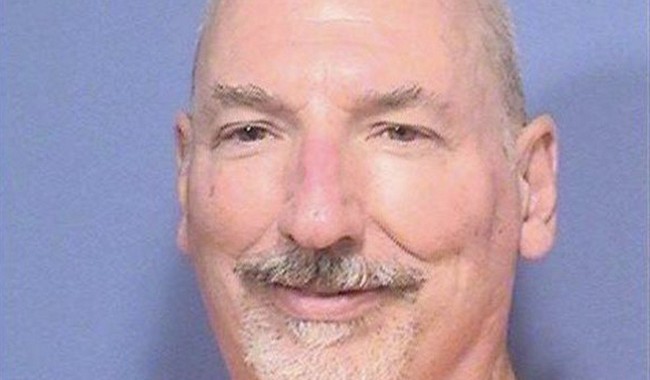
I’ll explain how a controversial elderly-parole decision nearly freed a convicted serial child predator, why local law enforcement stopped it, how the case exposes policy flaws in California’s Elderly Parole Program, and what the new arrest warrant means for public safety and accountability.
California sparked outrage when parole officials approved release for David Allen Funston, 64, a man convicted in 1999 on multiple counts for crimes against very young children. The idea that someone serving three life terms plus decades could qualify for release under an Elderly Parole Program struck many as absurd. For parents and anyone who believes in strict accountability, the possibility of his release felt like a grave injustice.
Public pressure mounted fast, and Placer County authorities intervened at the eleventh hour with a cold case arrest warrant that kept Funston behind bars. Local law enforcement transferred him directly into their custody instead of letting him walk out of state prison. That last-minute move halted a release many saw as a symptom of policy run amok.
A convicted serial child predator who was scheduled for release from state prison this week remains behind bars after Placer County authorities intervened with a last-minute arrest warrant.
David Allen Funston, 64, was transferred directly into law enforcement custody Thursday morning, narrowly avoiding a return to the community that sparked intense public outcry over the definition of “elderly” inmates and the limits of executive power.
What we know:
Funston was convicted in 1999 on 16 counts for terrorizing the Sacramento area in the mid-1990s, specifically targeting children under seven years old.
The facts are stark: 16 convictions, victims under age seven, a sentence that included multiple life terms. These details are why many conservatives and everyday citizens alike find the parole eligibility rules indefensible in this case. It’s not a debate about compassion; it’s about whether mercy should override public safety for the most dangerous offenders.
The Elderly Parole Program lowered the age threshold and reduced the required time served, creating eligibility for inmates over 50 with 20 years behind them. That legislative change, pushed through at the state level, made Funston eligible despite the severity of his crimes. Critics argue that changing definitions of “elderly” and shortening time-served requirements can unintentionally reward the worst offenders.
Despite being sentenced to three life terms plus additional decades, he became eligible for release via the Elderly Parole Program.
This statutory program, signed into law by Governor Gavin Newsom, lowered the eligibility age from the 60s to 50 and requires only 20 years of continuous incarceration. The program allows inmates over 50 who have served 20 years to be considered for release.
From a Republican viewpoint, public safety and common-sense sentencing standards should not be collateral damage in grand ideological gambits. Lawmakers must balance rehabilitation with protecting communities, especially when the crimes involve children. When policies tilt toward leniency for political optics, voters are right to push back hard and demand changes.
After news of the pending release broke, the Criminal Justice Legal Foundation and the California District Attorneys Association acted quickly, filing notices to the parole board seeking revocation based on new charges. Those legal actions signaled that institutional checks remain in place, and that prosecutors and advocacy groups will pursue remedies when parole decisions appear dangerous. The involvement of multiple legal actors added layers of oversight that helped prevent an immediate release.
For now, Funston remains in custody under local arrest, awaiting court appearances on the new charges and any parole revocation proceedings. This detainment gives authorities time to sort through procedural and substantive issues without exposing the community to risk. It also gives lawmakers and the public a clear case to examine the Elderly Parole Program and its unintended consequences.
Cases like this force a broader conversation about criminal justice policy and responsibility. Conservatives will argue that reforms must include protections to keep the most violent repeat offenders behind bars, while ensuring rehabilitation pathways for low-risk prisoners. The Funston episode makes it plain that some statutory changes need tighter guardrails to prevent outcomes that alarm parents and threaten public safety.
There’s no appetite among many voters for policies that let serious predators out early on technicalities or broad categorizations of age. Law enforcement’s quick use of a cold case warrant shows that local officials can and will intervene when they believe a parole decision endangers the community. That practical pushback matters in governing a system that must protect innocent people first.


Add comment