
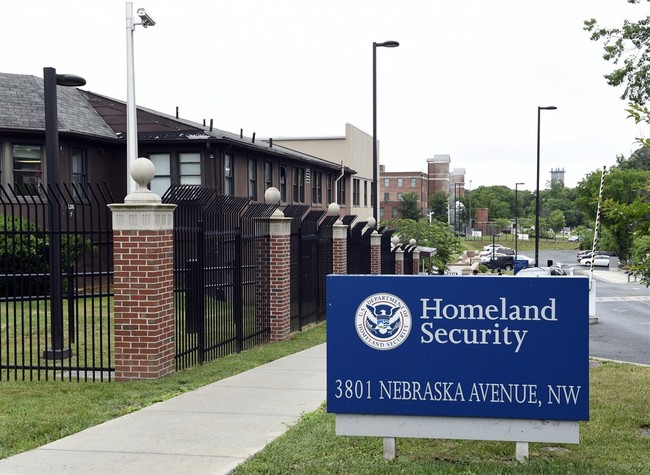
This piece examines the administrative leave of a senior DHS counterterrorism official after allegations that she cultivated wealthy romantic patrons to fund an extravagant lifestyle, why that matters for national security, and what this says about vetting and standards inside the Department of Homeland Security.
The headlines are bizarre: a young Deputy Assistant Secretary for Counterterrorism reportedly involved in relationships where men paid tens of thousands of dollars for vacations, jewelry, and luxury items. Allegations include claims of a three-month fling during which one man says he spent as much as $40,000 and later filed an Inspector General complaint. The reported behavior raises questions about judgment and the private conduct of someone in a role tied to protecting the homeland.
There is a clear tension between private life and public responsibility when the job touches national security. Counterterrorism work demands discipline, discretion, and an ability to resist coercion or influence. When a senior official’s personal choices create patterns that look transactional, reasonable people worry about potential vulnerabilities and conflicts of interest.
The official in question reportedly holds a PhD in Homeland Security and was appointed to a senior counterterrorism role in 2025. Reports describe travel to international destinations, luxury gifts, and multiple online dating profiles with different aliases, including one on a site geared toward wealthy patrons. The alleged details were significant enough that a complainant submitted a formal IG complaint to DHS.
The complaint includes blunt language from the man identified only as Robert B., who recounts expensive trips, high-end purchases, and messages that he says pressured him to fund an opulent lifestyle. He wrote: “I did not want a sugar daddy/prostitution relationship, after spending $30,000-$40,000 for vacations, Cartier jewelry, expensive handbags, and various shopping trips.” He also claimed she told him college was paid for by such patrons and referred to jewelry as “trophies.”
Those direct quotes sit in the record, and they make the core concerns about financial influence concrete. If a counterterrorism official is relying on or courting patrons who pay for major expenses, the potential for leverage, embarrassment, or blackmail cannot be ignored. Agencies that protect Americans should prevent any appearance that employees are compromised or susceptible to undue influence.
After the allegations surfaced, officials placed the employee on administrative leave and removed her from the assistant secretary role. News reports attributed that status change to DHS sources. Administrative leave is a standard step to allow an objective investigation while limiting further exposure or perceived impropriety. The leave itself does not determine guilt, but it acknowledges the seriousness of the complaint.
Beyond the immediate personnel move, the episode exposes weaknesses in vetting and oversight. How did someone with a visible, high-risk lifestyle reach a senior counterterrorism post without red flags being addressed? Vetting should include a careful look at patterns that could indicate financial pressure, undisclosed relationships with foreigners or wealthy patrons, or online activity that conflicts with the responsibilities of a national security role.
Frequently, vetting focuses on criminal history or foreign ties, but behavioral indicators matter just as much: public social media, multiple dating aliases, or a pattern of accepting extravagant gifts can create vulnerabilities. The department must ask whether current background checks, periodic reinvestigations, and supervisor oversight are sufficient to catch risky personal conduct before it becomes a national security risk.
There is also a cultural angle: leadership should emphasize that serving in a national security role carries expectations about public conduct and restraint. That means clear standards and consistent enforcement across political lines; accountability must not be selective. The public needs confidence that those tasked with protecting the country are above reproach and unlikely to be leveraged by foreign actors or exploited through personal debts and secretive relationships.
The complaint prompted media attention and debate over privacy, consent, and the line between private relationships and official duty. But privacy cannot be the shield when private behavior intersects with national security vulnerabilities. Agencies must weigh reputational harm and operational risk, and act decisively when patterns suggest possible compromise.
At a minimum, this case should trigger a review of vetting practices, periodic financial disclosure requirements, and training on recognizing coercion and influence operations. If the investigation substantiates serious misconduct, appropriate administrative or legal consequences should follow. If it does not, DHS should still use the episode as a prompt to strengthen safeguards so taxpayers and national security are better protected in the future.
The broader question remains: who is responsible for ensuring that the people who guard the homeland meet the highest standards of judgment? The public deserves clear answers, swift investigation, and reforms that prioritize safety and integrity over political convenience.



Add comment