
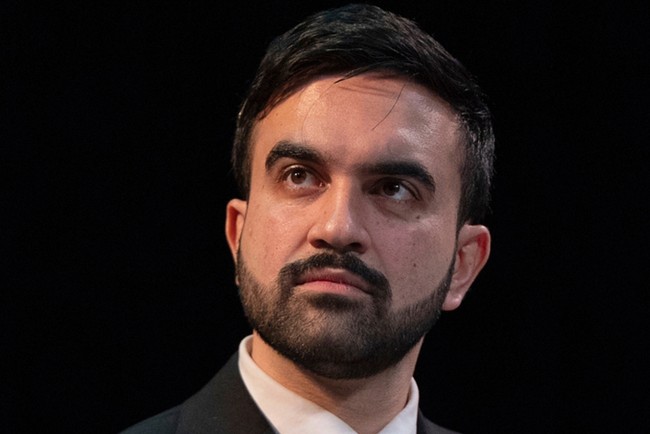
This piece examines New York City Mayor Zohran Mamdani’s Tax Day video, the reaction from critics, and the apparent contrast between his rhetoric and his family’s ownership of a substantial property abroad. It lays out the key facts about the video, the location used for the message, the policy push on pied-a-terre taxes, and the public backlash pointing to his parents’ villa in Uganda.
The video Mamdani released for Tax Day went out with theatrical intent: he stood outside a luxury residence and aimed a direct line at wealthy property owners. He filmed near a high-profile Manhattan residence valued at $238 million and said, “When I ran for mayor, I said that I was going to tax the rich,” before closing in on the camera and declaring, “Well, today, we’re taxing the rich.” That blunt framing was meant to land.
Critics across the spectrum pounced, arguing the stunt was less about policy detail and more about optics and political theater. Conservative voices noted the composition of the message — filmed in the shadow of massive private wealth while promoting new taxes on under-occupied luxury homes — and labeled it confrontational and risky for the city’s economic health. Opponents warned that demonizing investors and employers can scare away jobs and capital.
Commentators also pointed out a deeper hypocrisy they see in Mamdani’s posture. Katie Pavlich highlighted the issue by noting, “Mamdani’s family doesn’t live full-time in Uganda, and yet they have a massive compound there,” she wrote. “Perhaps the government should confiscate it.” That quip was meant to mirror Mamdani’s rhetoric back at him and frame the debate around consistency between public policy and private behavior.
Media figures expanded the critique into concrete economic concerns. Sara Eisen reminded audiences that the target property owner in the video is a major employer, writing, “Ken Griffin employs thousands of people in NYC and is planning to build the tallest office tower on Park Ave., investing billions more and creating thousands more jobs,” and adding that “[f]or that reason, he’s also here in NYC a lot.” Those observations underline the argument that driving away major investors could cost the city jobs and tax revenue.
The push Mamdani announced centers on a pied-a-terre tax aimed at luxury second homes that are not occupied full time. The mayor has long signaled a willingness to treat under-occupied or investment properties differently, calling out absentee ownership and supporting policies that hit such properties with higher levies. To supporters, this is about fairness; to critics, it is an incentive to reduce investment and shrink the city’s tax base.
Beyond the Manhattan backdrop, reporting about Mamdani’s family property gave critics extra ammunition. His parents, filmmaker Mira Nair and professor Mahmood Mamdani, reportedly own a five-bedroom villa on two lush acres in Buziga Hill, Uganda, complete with a lap pool and gardens overlooking Lake Victoria. The home was used for a multi-day wedding celebration in 2025, which commentators used to contrast the mayor’s anti-investor rhetoric with his family’s overseas residence.
The Uganda villa has been described as available for short-term rental on commercial platforms, a detail that critics flagged when linking Mamdani’s policy stance on things like Airbnb and short-term rentals to his personal connections. Opponents argue that someone campaigning to penalize certain types of property ownership should expect scrutiny if their family benefits from similar holdings elsewhere. That line of attack aims to make the policy debate about credibility and consistency.
Mamdani’s broader record on private property has been a recurring theme in coverage and criticism. He has made comments in the past about restricting or restructuring private property rights in certain contexts, and he supports policies that treat investment and under-occupied properties more harshly. For opponents, those positions read as ideological and detached from the practical need to attract and retain business investment in a major city.
The political fallout has been immediate in some circles, with calls to rethink a confrontational tone toward prominent property owners and developers. Conservatives emphasize that policies which are hostile to investment risk shrinking the very tax base needed to fund city services and protect workers. The message from those critics is simple: show results, not optics, and avoid driving away employers.
Supporters of the mayor argue that the city needs new revenue streams and that wealthy non-resident owners should pay their fair share for services they benefit from without fully using. They frame pied-a-terre taxes as a question of equity. But the pushback highlights a central tension in urban policy: balancing fairness with the imperative to preserve an environment favorable to jobs and growth.
At stake is a choice about New York’s economic future: pursue aggressive redistributive policies that may deter investment, or prioritize incentives and stability to keep major employers and developers engaged. That debate will play out in council chambers, negotiations, and the court of public opinion as the city weighs the political and fiscal consequences of the mayor’s Tax Day declaration.


Add comment