
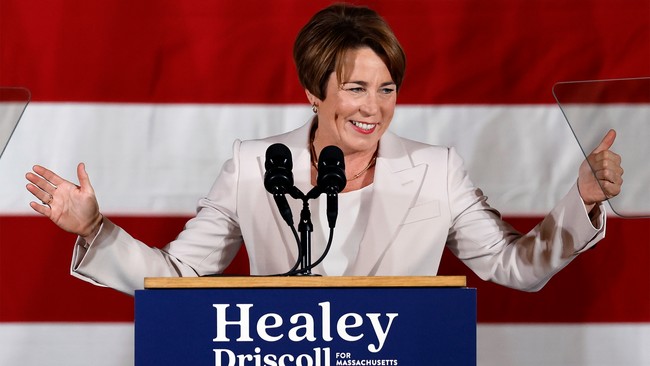
This article looks at the arrest of an aide to Massachusetts Governor Maura Healey on cocaine trafficking and related charges, the fallout inside the governor’s office, and the practical questions it raises about hiring, vetting, and trust in public service.
Massachusetts politics keeps delivering awkward headlines, and this one hits close to the center: an aide to Governor Maura Healey was arrested after packages containing cocaine were intercepted en route to a state office building. The story is sharp because the alleged scheme reportedly involved drug shipments destined for a government workplace, which makes the crime feel brazen and careless at once.
The aide named in court filings is LaMar Cook, 45, who worked as deputy director in the Western Massachusetts office. Public reporting says Cook pleaded not guilty and faces additional charges beyond trafficking, including illegal possession of a firearm and ammunition, which complicates the legal picture he now faces.
An aide to Massachusetts Gov. Maura Healey was arrested for cocaine trafficking after investigators intercepted packages with the drug slated to be delivered to a state office building where he worked, prosecutors said.
LaMar Cook, 45, of Springfield, pleaded not guilty during his arraignment Wednesday and was ordered held without bail pending a court hearing, Boston.com reported.
In addition to the drug charge, Cook is also charged with illegally owning a firearm and ammunition.
The governor’s office reportedly fired Cook “effectively immediately” upon learning of the arrest, and a spokesperson called the conduct a “major breach of the public trust.” That response is what you would expect from any administration wanting to make clear it won’t tolerate criminal behavior in its ranks.
Cook served as deputy director of Healey’s Western Massachusetts office, according to an archived staff directory. A spokesperson for the governor’s office said state officials fired Cook “effectively immediately” after learning of his arrest Tuesday, Boston.com reported.
“The conduct that occurred here is unacceptable and represents a major breach of the public trust,” the spokesperson said. “This criminal investigation is ongoing, and our administration will work with law enforcement to assist them in their work.”
There’s a political angle, naturally. From a Republican perspective, incidents like this underline a broader point about accountability and competence in Democratic-run offices. Voters worry not only about individual wrongdoing but also about the hiring and oversight systems that allowed someone in a position of authority to allegedly run such an operation.
This case invites a plain set of questions about vetting and supervision. What did the background check show, if anything? How much supervision did Cook have over staff and operations? Those are reasonable questions when someone who held a deputy director title is accused of channeling illegal activity through a state office.
It also raises operational worries about mail and package handling at government buildings. If packages with illegal drugs can be routed to a state office without detection, there’s a breakdown somewhere in routine procedures — or an inside actor making those procedures irrelevant. Both outcomes are concerning for public safety and trust.
Legal outcomes will determine the next chapter, but the political consequences are immediate. The administration’s swift firing of Cook signals damage control, but for opponents the incident provides fresh fodder to argue for stricter hiring standards and tougher oversight in state government.
Fox News Digital has reached out to Healy’s office.
In the end, the core facts here are straightforward: an aide alleged to have been involved in cocaine trafficking, packages intercepted destined for a state workplace, and additional weapons charges. The story will play out in court, and it will be watched closely by both political critics and advocates focused on public integrity.
Public servants are supposed to safeguard the public trust, and when someone with authority is accused of criminal conduct it creates a ripple effect through the office and the community it serves. Officials can respond quickly, but fixing the underlying gaps that allowed it to happen is the tougher task that remains.


Add comment