
This piece examines Mayor Karen Bass’s reaction to an increase in Hispanic recruits joining the U.S. Border Patrol, highlights comments from media interviews and recruits, and assesses the political and economic context surrounding recruitment incentives and local reactions.
The Democrats often talk a big game about diversity, but actions and reactions reveal a different story. When minorities choose law enforcement careers that don’t match the progressive playbook, some on the left treat that choice as a political problem. That tension came into focus after comments from Los Angeles Mayor Karen Bass about Hispanic recruits joining the Border Patrol.
Mayor Bass said she felt “sad” that many Hispanics were signing up for Border Patrol jobs, framing the decision as financially driven and suggesting recruits might be unprepared for the realities of fieldwork. Her remarks landed as a surprise to many who see law enforcement as a respectable path that offers solid pay and contributes to community safety. Critics argued her tone implied a judgment on families choosing stability and service over ideological purity.
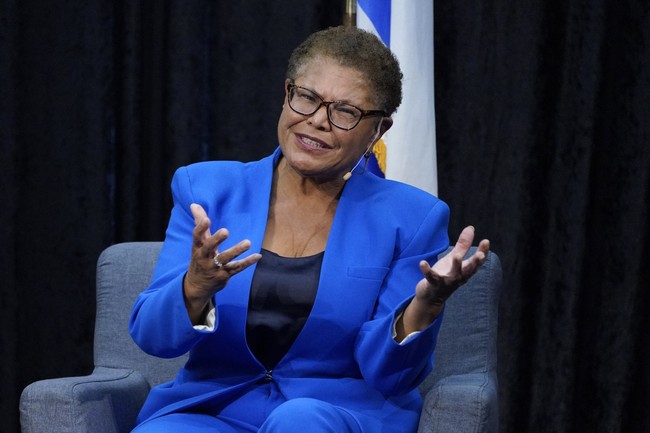
Los Angeles Democratic Mayor Karen Bass expressed disappointment and concern Friday with Hispanics joining Border Patrol – arguing they’re only doing it for the paycheck.
“Well, in a way, I think it’s sad,” Bass said of a CNN report on Border Patrol’s new recruits, many of which are Hispanic.
“I think that those Border Patrol agents are going to have a difficult time when they’re out in the field and they see what actually happens in real life separate from their training,” the mayor told “The Situation Room” host Wolf Blitzer.
For many commuters, patrol agents, and voters, the idea that someone would be judged for taking a solid job feels wrong. Border Patrol work comes with tangible incentives, training, and a public mission—exactly the sort of stable career many Americans want for their families. When politicians dismiss that as simply a paycheck move, it risks alienating people who prioritize responsibility and livelihood over political signaling.
Media coverage captured a candid response from a young recruit that complicated the narrative, with the recruit distinguishing between legal and illegal entry and framing law enforcement as enforcing established rules. That exchange underscored how recruits often see their role in pragmatic terms: protect the border, enforce the law, and do a job that pays. Reactions to those on-the-ground perspectives reveal a split between elite criticism and local, practical decisions.
“They didn’t come in the right way. So, they aren’t my kind,” 20-year-old Border Patrol recruit Juan Peralta told CNN correspondent David Culver.
Recruitment numbers show a sizable Hispanic presence among agents, reflecting both demographic realities in border regions and the appeal of competitive compensation. New agent incentives were widely publicized and include significant bonuses tied to academy completion and remote assignments. Those incentives change career calculus for families facing high costs and limited opportunities.
Policy choices at the federal level, including new incentive packages, are nudging applicants toward Border Patrol careers. Officials argue these moves strengthen national security and fill critical roles that require language skills and cultural familiarity. Opponents frame the trend as a political problem, but supporters see it as pragmatism: paying for needed talent to secure the border.
Mayor Bass’s comments fed a broader political storyline about who gets to define diversity and public service. For many conservatives, the moment is emblematic of a cultural rift: progressives demand representation on their terms, while everyday Americans pursue steady employment and public service wherever it’s available. The debate is less about ethnicity and more about who sets the norms for civic duty and job choice.
At a local level, families weigh safety, pay, and the chance to serve, while political leaders weigh optics and party alignment. That gap produces predictable friction when public officials critique choices that fall outside progressive expectations. The choice to join law enforcement is personal and practical, not always a political statement.
What this episode shows is that career decisions often defy the tidy narratives pushed by elites. People are taking jobs that pay well and contribute to public safety, and many voters consider that a commonsense choice worth respect. The reaction from Mayor Bass and others will likely keep this topic in the headlines as the country debates the balance between ideology and practical work that keeps communities functioning.


How Unamerican can she get I realize the Democrats in California destroyed it.
Just lock that treasonous witch up NOW!!!