
The House took a procedural step toward funding the Department of Homeland Security and reauthorizing FISA, with Republicans voting along party lines to adopt a rule that clears the way for those priorities while dropping another measure from the package.
Republican leaders pushed a rules vote that laid out consideration for two major items: funding to keep DHS on payroll and a FISA reauthorization tied to national security tools. The vote came after long negotiations on the floor, and it exposed fault lines among conservatives who wanted changes before moving forward. Party unity ultimately held, but the path ahead still requires work in the Senate.
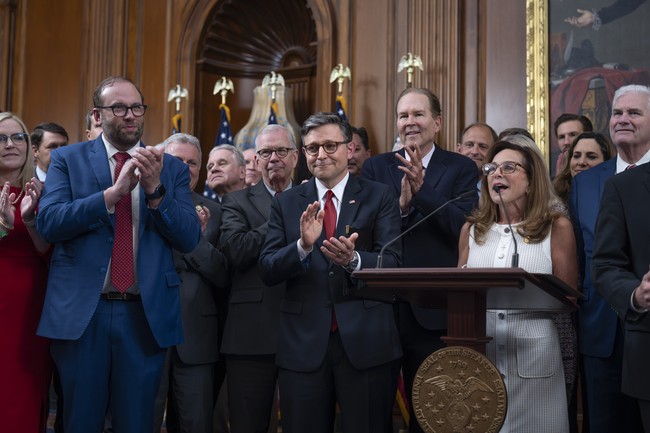
House Republican leaders on Wednesday cleared a major hurdle when they corralled members into adopting a rule to tee up consideration of two major pieces of legislation: reauthorization of the nation’s foreign spy powers and a budget blueprint to fund immigration enforcement.
The House voted 216-210 along party lines to adopt the rule. To do so, however, Republicans had to agree to drop a third piece of legislation initially also part of the same rule: the farm bill, which sets agriculture policy for the next five years.
Adoption of the rule, even with the concession, is a major victory for GOP leaders who held open the vote for more than two hours as they won over holdouts and convinced rebels, one-by-one, to change their votes from “no” to “yes.”
Getting DHS funding moving again was the clear priority for House Republicans, who emphasized that keeping front-line personnel paid and ICE agents supported is a basic obligation. The procedural victory was narrow but meaningful: 216-210 along party lines. Leadership accepted dropping the farm bill from the package to focus on national security and border enforcement first.
That concession underscores the reality of governing with a narrow majority: tradeoffs are necessary to advance the most urgent items. Some conservatives expressed frustration with provisions they found unacceptable, while others argued delaying the farm bill was the smart play to avoid losing ground on border security. The result was a tense, pragmatic process that reflects real-world politics rather than pure ideology.
And the rules vote didn’t go smoothly at first, though some politicking was involved, with the farm bill to be voted on separately later. The Make America Healthy Again group threatened to reject the bill unless provisions that reportedly protected pesticide manufacturers from lawsuits were removed. There were whispers that some of these rule votes might happen in the dead of night, but that didn’t happen. After two hours, this procedural hurdle was cleared 216-210, paving the way for passage unless the House GOP decides to tweak it, which will infuriate the White House.
As the dust settled, several members who initially withheld support or voted no changed course after negotiations and assurances from leadership. Those switches mattered: a handful of conservative Republicans moved from opposition to backing the rule, which made the difference. That kind of back-and-forth is familiar on high-stakes votes when priorities like border enforcement and national security are at stake.
Members who flipped to yes included several from key conservative factions, and others who had been holding out gradually voted in favor as discussions continued. The shifting tally shows both the pressure on leadership to secure a working majority and the influence individual members can wield when they press for amendments. This dynamic will likely continue as the bills move toward final passage and then to the Senate.
Reps. Eli Crane (R-Ariz.), Andy Biggs (R-Ariz.), Harriet Hageman (R-Wyo.), Troy Nehls (R-Texas), Tim Burchett (Tenn.) Keith Self (Texas) and Scott Perry (Pa.) also switched their votes from “no” to “yes.”
One of the biggest hurdles now is the FISA reauthorization clearing the upper chamber, where there are different dynamics and procedural considerations. Speaker Mike Johnson indicated confidence that Senate Republicans are watching and will act quickly to avoid lapses in critical national security tools. His message was that Republicans are committed to preventing any lapse that would weaken intelligence or enforcement capabilities.
Johnson said that he speaks with Thune “all the time,” and the Senate is “watching this very closely and and hopefully they can process what we send them.”
“No one — no one on the Republican side, anyway — wants to play around with letting these critical national security tools go unfunded or expire, so I think they’ll move it expeditiously,” Johnson said.
There’s still work to do, and the story will evolve as Senate action, negotiations, and potential amendments play out. Republicans in the House demonstrated they can marshal the votes for priority items when necessary, but the compromise to drop the farm bill shows the limits of a slim majority. For now, funding momentum for DHS and attention to FISA are the key takeaways.
Editor’s Note: Democrat politicians and their radical supporters will do everything they can to interfere with and threaten ICE agents enforcing our immigration laws.



Add comment