
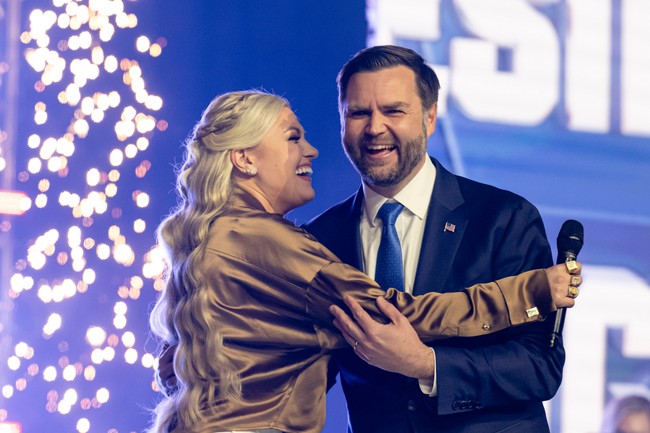
The Turning Point America Fest straw poll gave Republicans a clear message: Vice President JD Vance swept this conservative activist audience, concerns about radical Islam topped the list of threats, immigration restrictions showed strong support, and Israel remains seen as a key ally by many attendees. The poll isn’t a national cross-section, but it reflects what activist conservatives prioritize heading into the midterms and the long march toward 2028.
The headline is simple and hard to miss: Vice President JD Vance dominated the straw poll, capturing more than 84 percent of the votes among this crowd. That level of support from a pro-Trump audience signals serious enthusiasm for Vance as a future standard-bearer for the movement. While straw polls are only snapshots of activist sentiment, when someone cleans up like that it’s a clear statement about who organizers and activists are rallying behind right now.
Marco Rubio placed a distant second at under five percent, which underscores how decisive the Vance showing was. Polling this early is more theater than prediction, yet it still matters; activists move networks, donors, and messaging. If momentum matters in primaries, a dominant straw poll performance can translate into early organizational advantages and clearer fundraising paths.
Respondents were also asked about U.S. policy toward Israel, and a majority identified Israel as an ally, with about a third calling it our most important ally. Thirteen percent said they did not see Israel as an ally, which stands in contrast to typical Democratic-leaning groups. For conservative activists at this event, support for Israel remains a clear foreign policy priority, and that shapes how candidates are judged on national security and international relations.
Immigration came up as another important issue, and an immigration moratorium drew substantial backing among attendees. The poll suggested there’s strong appetite in this crowd for tightening entry at the borders, with many respondents favoring strict controls over open-door policies. That aligns with the broader Republican base’s push for enforcement-first solutions rather than permissive approaches to migration.
When asked to name the biggest threats to America, respondents put radical Islam at the top, followed by socialism and mass migrations. That order isn’t surprising to conservatives who view ideological foes abroad and at home as existential challenges. This audience’s focus on radical Islamist violence as the primary danger reflects long-standing GOP concerns about terrorism and the need for firm security policies.
These results are drawn from conservative activists and shouldn’t be mistaken for national polling; they reflect what engaged, committed Republicans and right-leaning organizers think. Activist sentiment often sets the tone for primary contests and agenda-setting more than it predicts general election outcomes. Still, tracking where activists land gives a sense of which issues and personalities will dominate Republican conversations over the next few years.
It’s worth noting the pragmatic layer behind these preferences: voters who prioritize national security and border integrity also favor candidates who promise toughness and clear policy prescriptions. For many in this crowd, the choice of Vance signals a desire for leadership that blends populist energy with conservative policy positions. That mix is attractive to activists who want both cultural and institutional wins.
The poll also offers a snapshot of where Republican activists are likely to spend political capital in the near term: shoring up alliances with key partners, pushing for immigration moratoriums or stricter enforcement, and confronting ideological threats like radical Islamist groups and domestic socialism. Those priorities will shape campaigns, debates, and legislative pushes as the midterms approach and the party sets its mid-decade agenda.
Of course a lot can change between now and the 2028 nomination contest, but this kind of early, decisive showing helps shape headlines, donor interest, and activist endorsements. Political movements are adaptive, and strong early support can become self-reinforcing if organizations and media amplify it. For now, conservative activists at Turning Point see Vance as their pick and national security concerns as their rallying cry.
Polls of passionate activists are a good reminder of what energizes the base, even if they aren’t a mirror of the general electorate. What these results do show clearly is where engaged Republicans plan to focus their energy: leadership they trust, borders they want controlled, and threats they want confronted head-on. That combination will inform messaging and candidate positioning as the 2026 midterms and the longer 2028 cycle approach.


Add comment