
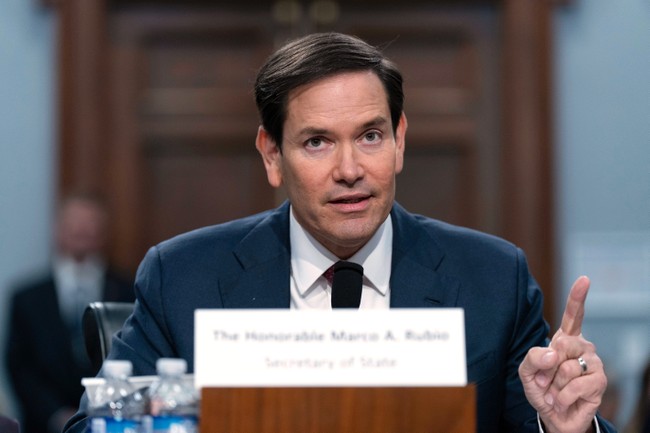
The State Department has confirmed that the Biden-era diplomatic corps is being reshuffled as the Trump administration recalls nearly thirty career ambassadors and senior embassy staff to Washington as part of a realignment aimed at enforcing an America First foreign policy. The move is being framed as routine and necessary by officials who say ambassadors serve at the pleasure of the President and should align with national priorities. This article walks through what the State Department said, where the changes are concentrated, and how Republican officials describe the purpose behind the recalls.
A senior State Department official told reporters that a number of career diplomats are being recalled from posts in almost 30 countries and offered alternative assignments inside the department if they choose to continue serving. The administration stresses that this is normal: ambassadors are personal representatives of the President, and it is appropriate for a president to select envoys who will carry out his foreign policy agenda. The statement made clear that ambassadors would not be pulled out of active conflict zones or places where high-stakes negotiations are ongoing.
Officials indicated the changes are intended to prioritize continuity with the President’s goals and avoid disruptions to U.S. interests abroad. The recalled diplomats largely took their posts during the previous administration and had survived an earlier cull that focused on political appointees. Now, the process has expanded to include career chiefs of mission in multiple regions, reflecting a broader reassessment of who represents America on the world stage.
Reporters were told that chiefs of mission in at least 29 countries received notice that their tenures would end in January, and that the affected diplomats had been appointed during the prior administration. Many of these career professionals were retained initially, but have now been asked to return to Washington as part of a coordinated personnel review. Where national security or ongoing negotiations make a recall impractical, the administration says it will not make a change.
The geographic spread of the recalls is uneven, with Africa seeing the largest share of moves, followed by changes in Asia and Europe, plus a smaller number in the Middle East and the Western Hemisphere. Thirteen career diplomats in Africa were reportedly affected, six in Asia, four in Europe, and additional posts in South and Central Asia and the Western Hemisphere. That pattern suggests the administration is taking a strategic look at diplomatic deployments and where it needs new leadership to pursue priorities.
From a Republican perspective, this is about restoring clear priorities and ensuring ambassadors actively advance American interests, not foreign bureaucracies. Secretary-level guidance emphasizes a simple litmus test for policy decisions: will this make the country stronger, richer, or safer? That plainspoken approach is being applied to diplomatic representation as well, with the administration signaling it will favor envoys who subscribe to an America First orientation.
A senior official was quoted saying, “This is a standard process in any administration,” and, “An ambassador is a personal representative of the President, and it is the President’s right to ensure that he has individuals in these countries who advance the America First agenda.” Those exact lines are being used to justify the recalls and to invite many returning diplomats to remain in service inside the department in roles that fit the new priorities.
The administration has also framed the recalls as measured and selective rather than a wholesale purge. Officials say ambassadors will not be withdrawn from countries in the middle of wars or delicate negotiations, and that continuity of mission matters where U.S. interests require stable representation. That caveat is intended to show the action is practical and focused on aligning personnel, not on creating avoidable gaps in diplomacy.
On messaging, Republican leaders have seized the moment to contrast a results-oriented foreign policy against what they call the old habits of globalist diplomacy. They argue that every envoy should be judged by whether their work makes Americans safer and more prosperous, and that the President has both the authority and the responsibility to ensure diplomatic teams reflect that standard. The recalls are thus presented as a corrective step: putting diplomats in place who will pursue clear, accountable national goals.
For career officers offered new assignments, the administration says there are opportunities to continue serving in Washington, contributing to policy formulation and implementation under the new priorities. The department’s approach, as described, combines reassignment options with targeted recalls so expertise is not wasted and critical missions remain staffed. In short, the move is being sold as a disciplined reorientation of U.S. diplomacy to match the President’s declared America First framework.
Watch:


Add comment