
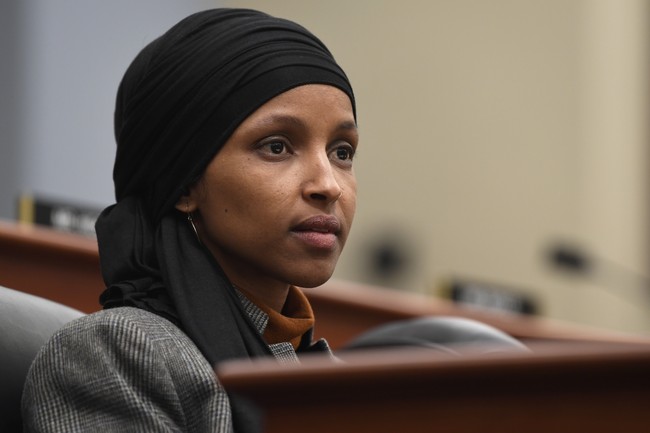
Ilhan Omar finally issued a statement denying any knowledge of the Feeding Our Future fraud allegations, blaming administrative choices and past policies while avoiding direct answers about activity inside her own district. Her denial repeats a familiar line, but recent state reports and closed-door committee moves leave big questions unanswered. Lawmakers and local investigators point to program changes that may have made scams easier, and some Democrats blocked subpoenas that would have forced fuller disclosure. The story now rests on conflicting accounts: formal denials from Omar, a scathing Minnesota committee report, and accusations that political allies are shielding her from scrutiny.
Representative Ilhan Omar broke a long silence about the mounting accusations tied to a sprawling Feeding Our Future fraud case centered in the Minneapolis area. The timing of her statement felt odd to many observers because she has been unusually quiet about allegations that implicate programs operating in her district. Her written comments sought to shift attention toward earlier decisions and federal regulatory actions instead of answering questions about local operations. That deflection did not calm critics who point to the concentrated nature of the alleged thefts.
Rep. Ilhan Omar, D-Minn., is speaking out over mounting questions from critics about her possible connection to the massive Feeding Our Future fraud scandal in Minnesota and suggested the Trump administration bears responsibility.
“Any claim that I had knowledge of this scheme is flat-out false,” the Minnesota congresswoman said in a written statement to Fox News Digital on Wednesday.
“The MEALS Act was signed into law by President Trump and passed with bipartisan support as part of a broader legislative package. Trump’s USDA Secretary set the regulatory framework during the rollout of the program. I have always championed feeding kids and will continue to ensure our children do not go hungry.”
That denial is tidy but incomplete. The specific fraud alleged involved millions routed through phantom meal claims inside Omar’s district, where investigators say non-existent children were listed as fed. The accusations are not about the federal law’s intent but about how a program was administered locally and how flimsy verification rules were exploited. Critics argue that describing the issue as a federal-era regulatory choice evades the more immediate question: who profited from apparently fraudulent claims in Minneapolis?
The Minnesota House Fraud Prevention and State Agency Oversight Committee invited Omar to testify, but the office did not provide the requested responses, according to committee statements. Efforts to subpoena documents were reported to have been blocked along party lines, leaving investigators with an incomplete picture. Last week the committee released a final report that accused state officials of fostering conditions that allowed fraud to balloon. That report placed particular emphasis on program design choices and oversight failures at the state level.
The committee’s critique singled out the MEALS Act and related flexibilities for making it easier for for-profit vendors to claim reimbursements without clear proof that children were served. Investigators said the “grab-and-go” options and loosened participation rules created gaps that scammers could exploit. When oversight is thin and verification is sporadic, the opportunity for abuse grows rapidly, and lawmakers from both parties should be concerned about protecting taxpayer funds and program integrity.
What’s striking to conservative critics is not simply the alleged abuse but the political response around it. Some Democrats on oversight panels reportedly moved to shield certain inquiries from full public scrutiny, and that decision has fueled claims of partisan protection. For citizens worried about government accountability, those procedural moves are as important as the fraud allegations themselves. Transparency and testimony would go a long way to resolving doubts about who knew what and when they knew it.
Omar’s statement leaned into a narrative that emphasizes hunger relief and bipartisan origins of the law, but it did little to address specifics raised by investigators about local actors and money trails. To many readers, the statement read like damage control rather than the start of a cooperative investigation. When powerful accusations land in a single congressional district, constituents expect direct engagement and a willingness to answer tough questions, not a pivot back to policy votes from years earlier.
At this stage, multiple avenues remain open: state follow-ups, potential federal probes, and the possibility of subpoenas if committees pursue them. The public debate will revolve around whether program design alone explains the losses or whether actors on the ground in Minneapolis deliberately exploited lax controls. Everyone who cares about public stewardship of relief programs should watch how officials handle interviews, document production, and the limits of partisan defenses going forward.
The allegations and the reactions to them have already reshaped the conversation about emergency feeding programs and how to guard against fraud without undermining real help for hungry families. Lawmakers must balance speed and accountability in program rollouts, and constituents deserve answers when gaps are exploited. For now, Omar’s flat denial stands against a growing pile of questions from investigators and watchdogs who want more than a quick press statement.

Add comment