
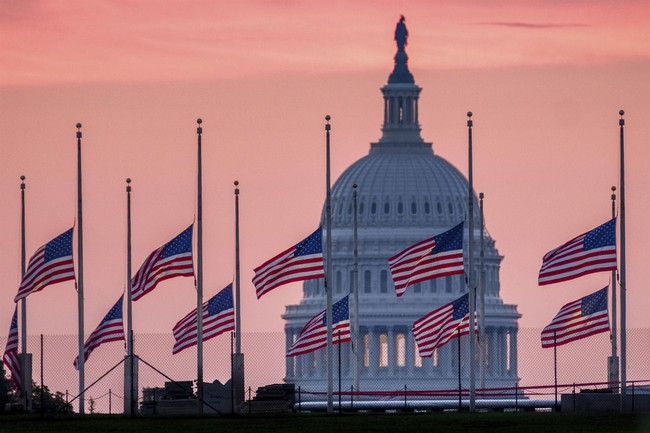
The House narrowly rejected a war powers resolution aimed at limiting President Trump’s handling of military action against Iran, a vote that keeps operational authority largely with the executive while the conflict and pressure campaign continue to escalate.
The measure failed by a single vote, 213 to 214, marking a second defeat for similar efforts and underscoring a Republican preference for decisive leadership in ongoing hostilities. Under the long-standing framework, presidents notify Congress and have an initial 60-day window for operations before further authorization is required, a structure meant to balance speed and oversight. With strikes and a naval blockade already in effect around the Strait of Hormuz, many lawmakers saw immediate limits as ill-timed and potentially damaging to the mission’s coherence.
Democrats cast the resolution as a necessary check on presidential authority, arguing for clearer congressional control over military commitments. The narrow margin, even after several Democrats flipped in favor, showed limited appetite for sweeping intervention during active operations. Republicans pushed back hard on the floor, suggesting that inserting new constraints mid-conflict risks sending mixed signals to allies and adversaries alike, and that practical results matter more than procedural grandstanding.
Conservative voices have long said effective foreign policy demands clarity and resolve, especially when Iran and its proxies threaten regional stability and American interests. Lawmakers noted that the blockade recently turned away a number of vessels and that sanctions enforcement and blacklisting are tools already in use to squeeze Tehran. For many Republicans, micromanaging a campaign from the House would undercut the very effectiveness Congress claims to defend.
Fiscal and human costs also factored into the debate. Prolonged uncertainty or abrupt withdrawals can drive up expenditures and extend risks for service members, while a controlled, goal-focused campaign can reduce long-term burdens. That practical calculus informed rejection of the resolution for now, with several members saying they prefer to watch how the campaign progresses before imposing new legislative hurdles. The preference was for measured oversight, not reflexive or symbolic measures that could complicate command decisions.
Still, the White House is not being handed a blank check; Congress retains critical constitutional authorities, including the power of the purse and the formal ability to declare war. Many Republicans signaled willingness to revisit restrictions if the 60-day window draws near without demonstrable progress toward clear objectives. This approach buys time for both diplomatic developments and battlefield realities to shape any future legislative response, rather than forcing an immediate and possibly counterproductive check.
The vote revealed a shifting dynamic within both parties, with a handful of members crossing party lines and the debate not splitting cleanly along partisan boundaries. That fracture reflects a broader worry among conservatives: that divided messaging often emboldens adversaries and weakens bargaining positions. Preserving operational flexibility now was framed as a way to avoid sending mixed signals while the U.S. and allied forces press strategic aims.
At the heart of the Republican argument is institutional balance—respecting congressional oversight while recognizing the president’s role in conducting operations once forces are engaged. Lawmakers argued that oversight tools like hearings, funding decisions, and targeted legislation remain available to Congress without hobbling commanders in the field. The position taken by many House Republicans was pragmatic: maintain the capacity to act decisively, then apply scrutiny through traditional checks as warranted.
The Constitution gives Congress the sacred power to declare war, which is why we cheered endless undeclared bombings in Libya, Syria, and Yemen for years!!!
But now that Trump’s involved, Republicans blocking the 4th failed War Powers Resolution suddenly means the American people have “no voice”
How convenient!!!
My emotional labor is with every brave ally pretending this selective outrage is principled 100%.
Looking ahead, some Republicans signaled openness to returning to the issue as the 60-day window approaches its end, allowing developments on the ground and in diplomacy to inform any changes. That measured stance contrasts with the tone of immediate, across-the-board restrictions proposed earlier and reflects a belief that timing matters in national security decisions. The debate is likely to continue, with oversight and responsibility both in play as events unfold.
Restraining lawmakers from overreaching does not mean abandoning accountability; instead, it reflects a preference for oversight that supports effectiveness rather than undermines it. As operations continue, Republican lawmakers intend to retain leverage through budgeting and targeted oversight while avoiding actions that would unnecessarily tie the hands of commanders conducting a campaign already underway.

Add comment