
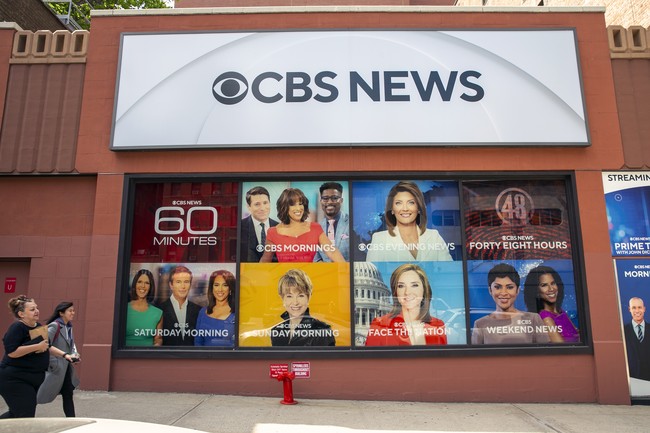
David Ellison’s close relationship with President Donald Trump has been well reported, yet Paramount’s programming and public initiatives still lean heavily left, creating a clear tension between ownership proximity to the administration and what appears on the screen.
David Ellison is supposed to be close to President Donald Trump, and that connection has raised expectations that the studio might change course. Ellison has met privately with Trump at the White House and has been a repeated visitor during his second term. The family tie is notable: Trump has referred to Ellison’s father, Oracle founder Larry Ellison, as a “good friend.”
Despite that access, Paramount’s output and public statements continue to emphasize progressive priorities and identity-focused programming. The company rolled out a “Changemakers” initiative described as spotlighting diverse voices and stories that drive social impact, and that language appears to extend beyond press releases into the platform’s curated slate. Those corporate signals matter because they shape what viewers find promoted as central to the streaming service.
“Paramount+ today announced ‘Changemakers,’ a new global content initiative spotlighting diverse voices and stories that drive social impact.”
The themes aren’t isolated to one-off titles. Paramount+ continues to promote series and franchises that foreground identity and progressive social messaging. Shows built around LGBTQ+ characters and narratives are positioned as core offerings rather than niche corners of the service, and that placement speaks to how priorities are being set. When those choices appear repeatedly across high-profile series, they create an unmistakable pattern.
One example is the platform’s continued emphasis on series like The L Word: Generation Q, which the promotion explicitly frames around a diverse LGBTQ+ ensemble navigating relationships and careers in Los Angeles. That framing is presented as mainstream content, not an aside, and it sits alongside other marquee programming on the service. When identity-driven series are elevated in the same way as mass-market titles, it changes the feel of the brand.
“The L Word: Generation Q follows a group of diverse LGBTQ+ characters as they experience love, heartbreak, sex, setbacks and success in Los Angeles.”
It is also worth noting how long-running franchises have been adapted to reflect these shifts. Properties that once had a different tone have had progressive elements layered into them over time, rather than being reinvented overnight. That gradual integration changes the franchise landscape and signals a deliberate, ongoing editorial direction from the company’s content teams.
“Star Trek has featured an increasing number of LGBTQ+ characters in recent years, reflecting a broader push for representation across the franchise.”
For observers who expected Ellison’s proximity to Trump to result in a measurable pivot, the disconnect is striking. Bringing a widely known conservative voice into a corporate role or maintaining relations with the administration does not automatically change a studio’s creative agenda. In Paramount’s case, ownership ties have not translated into an obvious change in the programming mix.
The hiring of Bari Weiss to help reshape CBS was read by some as a possible signal of change inside the broader Paramount ecosystem, and that move raised hopes among critics and supporters alike that new editorial approaches might follow. Yet the visible programming and promotional strategy on Paramount+ has not shifted in any dramatic way since those executive arrangements were reported, leaving the expectation unfulfilled.
That gap between perception and product matters because content defines a media company in the eyes of viewers. Proximity to a political leader can alter public expectations, but viewers ultimately judge a studio by what they can watch. On-screen choices, promotional emphasis, and initiative branding combine to form the public-facing identity of the service, and in this case, those factors are pointing in a direction that does not align with the political ties around ownership.
Paramount’s pattern of decisions feels consistent rather than scattered, which makes the contrast with Ellison’s reported relationships more noticeable. The studio’s programming slate, platform messaging, and public initiatives collectively reinforce the same editorial priorities. That consistency, more than any single title or press release, shapes how the company is perceived.
Until the content itself reflects a different approach, the conversation will continue to center on a mismatch between ownership connections and programming choices. Close ties to the administration set expectations for some observers, but for now it is Paramount’s shows and initiatives that determine the company’s cultural posture, not the perceptions that surround its executives.



Add comment