
DoorDash published a new State of Local Commerce report built from real transactions, and it gives a clear snapshot: everyday prices are easing, Main Street shows signs of recovery, and weekday downtown orders are climbing back. The data bolsters the argument that the economy is improving under pro-growth policies, and it exposes how partisan stunts like the Schumer Shutdown only slow recovery. This piece walks through the key findings, the White House response, and what it means for families stretching their budgets.
If you use food delivery apps, you know how visible they are into everyday spending. DoorDash watches millions of grocery, restaurant, and small-business transactions and turned that raw data into a State of Local Commerce report that tracks real trends happening in neighborhoods nationwide. It’s a different kind of signal than slow-moving government surveys, and it’s giving an encouraging read on prices and consumer behavior.
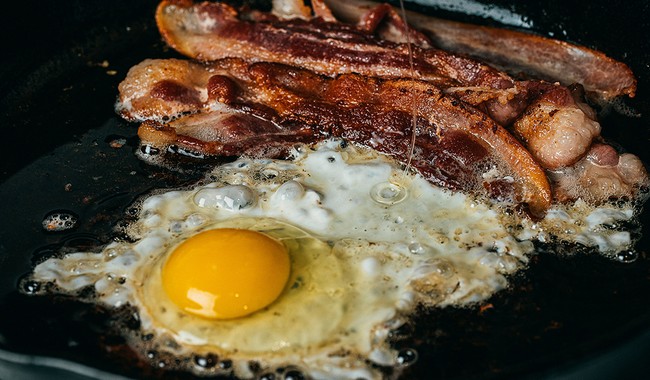
The findings are straightforward: costs for common items are easing and more people are buying breakfast again without feeling burned by sticker shock. One highlight the report shares is that its Breakfast Basics Index fell significantly over a recent period, which is the sort of relief working families feel immediately. When the price of everyday staples drops or flattens, it changes daily life for households managing tight budgets.
Our first-ever State of Local Commerce report — built from hundreds of millions of real transactions across groceries, restaurants, and Main Street businesses — captures what’s actually happening in thousands of neighborhoods across America, rather than depending only on traditional surveys or samples released months later.
Beyond groceries, downtowns are waking up again as people return to offices and lunchtime routines. The report notes increases in weekday lunch orders to business districts in the majority of cities, with a few urban centers leading the rebound at several times the national rate. That kind of activity says workers are back, offices are humming, and small businesses that rely on daily foot traffic are seeing life return.
Prices for everyday essentials and breakfast staples are falling or flat, with DoorDash’s Breakfast Basics Index down 14% between March and September 2025.
Downtowns are seeing momentum return recovering with weekday lunch orders to business districts up in more than 50% of cities nationally, with Chandler, AZ and San Francisco, CA leading the rebound with increases more than 6 times the national rate.
Reports like this matter because they reflect what people actually buy and where they spend, not just what a survey respondent thinks in the abstract. When consumers can stretch their dollars further, they have more confidence to dine out, shop locally, and keep the economy moving. Those micro-decisions add up to macro recovery and validate policies that focus on growth and affordability.
The White House was quick to highlight DoorDash’s numbers as confirmation that inflation is easing and paychecks are gaining ground. The administration’s statement framed the report as proof that an agenda focused on reducing costs is delivering tangible results for families. That political framing is expected, but the underlying data offers an independent datapoint beyond partisan spin.
President Donald J. Trump’s bold economic agenda is delivering real results for American families — with new data from DoorDash’s State of Local Commerce report confirming that inflation has been tamed, everyday prices are beginning to drop, and wages are growing.
From breakfast tables to store shelves, President Trump’s agenda is lowering costs when families need it the most — fueling an economic comeback that is only just beginning as President Trump works to Make America Affordable Again.
Here’s White House Press Secretary Karoline Leavitt:
All that progress matters because the opposite is painfully obvious: political theater and self-inflicted shutdowns impose real costs. The Schumer Shutdown, pushed as leverage by Democrats, slowed momentum that was building and imposed needless pain on families and small businesses. When lawmakers trade governing for headlines, everyday Americans pay the bill at the checkout line and the restaurant counter.
Still, the DoorDash data points toward a brighter baseline—cheaper breakfasts, busier downtowns, and more resilient Main Street activity. That’s the kind of result Republicans argue comes from policies that prioritize growth, lower costs, and let markets deliver. As recovery continues, independent measures like this will keep revealing whether policy choices are actually helping families where it counts.
Editor’s Note: After more than 40 days of screwing Americans, a few Dems have finally caved. The Schumer Shutdown was never about principle—just inflicting pain for political points.



Add comment