
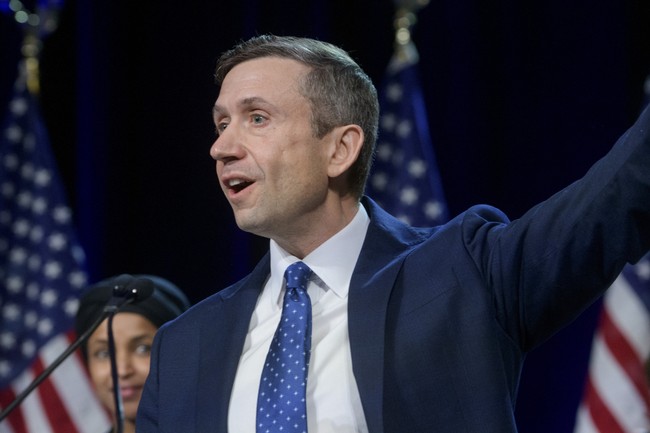
The DNC chair’s interview on the so-called Schumer Shutdown exposed contradictions, party fractures, and weak leadership, and this piece unpacks the exchange, the math behind who controls the shutdown, the generational rift inside the party, and a new poll showing voter confusion about Democratic leadership.
The interview on Fox News with Shannon Bream put DNC Chair Ken Martin on the spot about who is responsible for the shutdown. Martin tried to pin the blame squarely on Republicans, but that claim ran into a simple counting problem the DNC couldn’t sidestep. Voters following this are noticing the mismatch between messaging and the mechanics of Senate procedure.
Martin said Republicans “own every part of this government and they own this shutdown.” Bream quickly corrected him on a basic point of Senate rules: “They don’t own the Senate when it comes to having 60 votes,” she corrected him. The exchange highlighted how talking points fall apart under even a little scrutiny on cable news.
Bream also revived past statements from Democrats to underline the inconsistency, quoting Sen. Chris Murphy from 2013 about not shutting down the government over policy fights. That question hangs over the party now: why support a shutdown posture that previous Democratic leaders condemned? The reaction on-camera—Martin’s pursed-lip expression—was as revealing as the words.
Political theater aside, the arithmetic matters. To open the government in the Senate you need 60 votes, and Republicans do not have that threshold without convincing a bloc of Democrats to join them. Claiming sole ownership of the shutdown ignores that threshold and expects voters to ignore simple facts they can check themselves.
Another line of questioning came from CNN’s Jake Tapper, focusing on age and generational conflict within the Democratic coalition. Martin attempted to frame the issue as a fight over energy and commitment rather than years, but his answer left room for follow-up. Internal tension between established figures and the newer, more radical wing keeps showing up in public.
Martin said the problem wasn’t about age but about those who were fighting and those who were not. The vagueness of that response fed into a larger narrative about a party unclear about its direction and who embodies it. Voters pick up on that uncertainty and ask whether the party has coherent leadership or competing priorities.
I reject this ageism that’s out there. There are plenty of young people who are elected to office who are doing nothing right with the power they have.”
That quote, spoken by the party’s national chair, underscores how the debate is about ideology as much as age. The DNC appears to be caught between placating a leftist base and presenting a unified, pragmatic message to general election voters. When leadership throws rhetorical punches like this, it often reveals deeper organizational stress.
Polling now shows a surprising level of uncertainty about who actually leads the Democratic Party. In one recent survey, 31 percent either “don’t know” or think it’s “nobody,” while only Kamala Harris breaks double digits as the most-recognized figure. That kind of fragmentation is a problem for a party trying to hold together diverse factions ahead of big national choices.
Names like Barack Obama and Chuck Schumer register lower than Harris in that poll, and several progressive figures trail behind other national personalities. When even the party chair struggles to land a crisp leadership narrative, it feeds into voter skepticism. Political parties need clarity at the top to sell coherent policy and electoral strategy.
Editorial observers note the shutdown was framed by Democrats as a fight over healthcare for undocumented immigrants, and that framing has energized partisan debate. Critics say the move cost the party credibility when it comes to practical governance. The broader takeaway is simple: voters notice when rhetoric and reality don’t line up.
The DNC’s public performance during these interviews matters because it shapes perceptions going into tougher political fights. When leaders cannot defend the basic mechanics of their claims, they erode trust among both persuadable voters and their own base. That erosion leaves room for opponents to define the narrative before the party can respond.
Political survival depends on clear, consistent messaging and credible leadership. Right now, the Democrats face questions about who they are and what they stand for, and those gaps are showing up in media moments and polls alike. The remainder of this story plays out on TV, in the Senate, and across voters’ dinner tables as the debate continues.



Add comment